


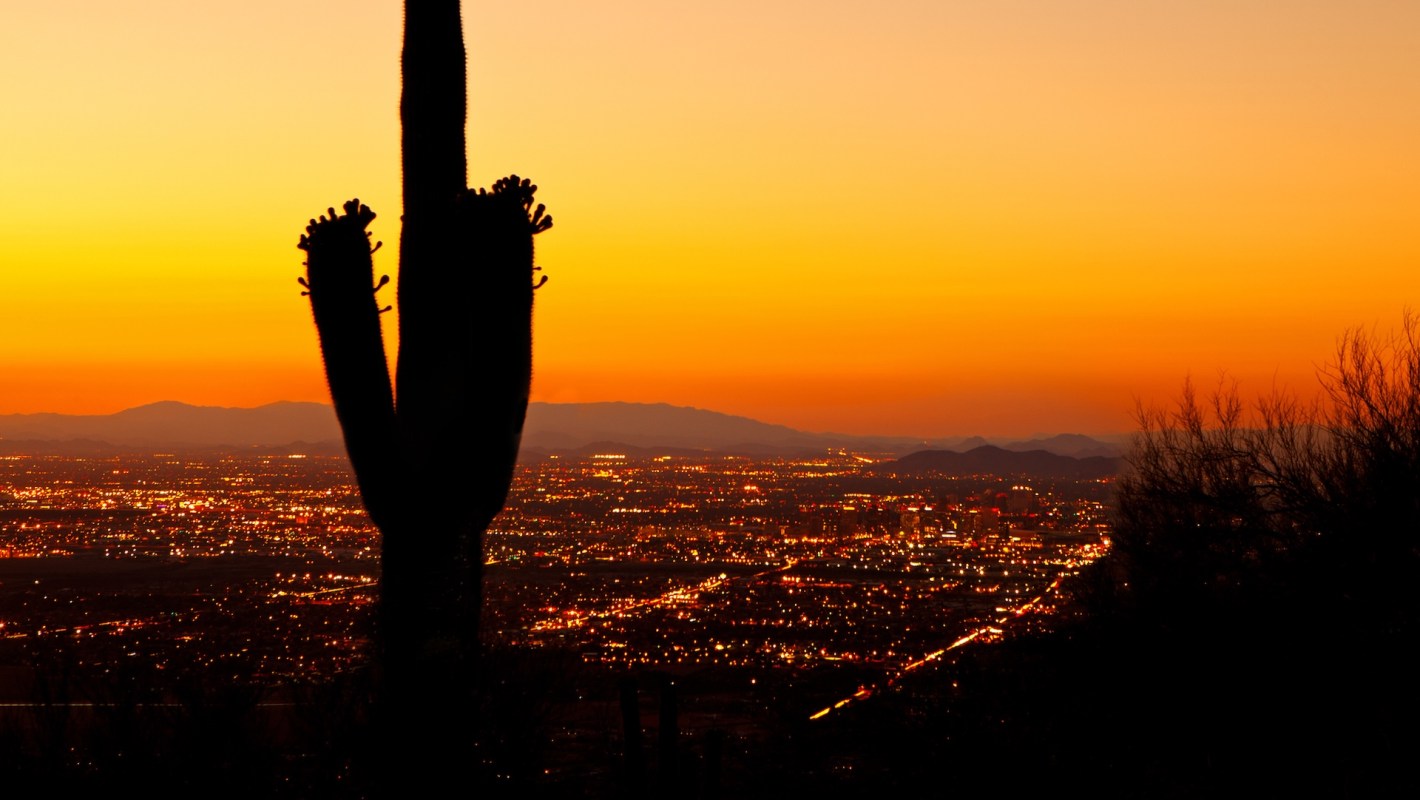
Blistering heat is tightening its grip on the Southwest, with some Arizona communities staring down highs of 120 degrees Fahrenheit in the coming days.
And the danger does not stop at sunset. Unusually high overnight temperatures limit relief and push hazardous conditions into states less accustomed to this level of heat.
What's happening?
According to the Weather Prediction Center, a heat wave is spreading out of the Southwest and into more northern states, with The Watchers reporting major to extreme heat risk across Arizona, California, Nevada, Wyoming, and Montana.
Forecasts for the hardest-hit areas of the Southwest — including Yuma, California's Imperial Valley, and Parker Valley and Palo Verde Valley on the Arizona-California border — show that temperatures could reach 120 degrees.
The Watchers also cited Phoenix's National Weather Service office, which expected afternoon highs between 112 and 117 degrees through Monday.
Nevada, Wyoming, and Montana were also expected to face intense heat, with highs ranging from the 90s to 108. In some locations, the heat could challenge daily records or rank among the 10 hottest days ever recorded.
TCD Picks » Quince Spotlight
💡These best-sellers from Quince deliver affordable, sustainable luxury for all




Another major concern comes after dark. "Warm nights can extend heat exposure after daytime temperatures begin to fall," The Watchers warned, meaning people without dependable cooling may not get enough recovery time between scorching afternoons.
Why does it matter?
Extreme heat is one of the deadliest forms of severe weather because it can quickly overwhelm the body's ability to cool itself. That danger grows when hot days are followed by hot nights, especially for older adults, young children, outdoor workers, and anyone without access to air conditioning.
This kind of weather also disrupts daily life far beyond simple discomfort. It can strain power grids as energy demand spikes; increase water use in already dry regions; and make it more dangerous for people to work outside in construction, agriculture, delivery, and emergency response.
Worsening extreme weather disasters endanger lives and livelihoods by risking public health, community safety, and economic stability. Heat can send people to emergency rooms, reduce worker productivity, raise utility bills, and worsen drought conditions that threaten crops and local businesses.
Looking beyond the immediate forecast, The Watchers said the Climate Prediction Center expected moderate extreme heat risks to continue into mid-August, with the Mississippi, Ohio, and Tennessee valleys being affected in a week. The Central and Southern Plains as well as the Middle and Lower Mississippi Valley could face rapid-onset drought.
What can I do?
If you live in or travel through affected areas, experts recommend staying hydrated, limiting outdoor activity during the hottest hours, checking on others, and using cooling centers or air-conditioned public spaces.
Closing blinds during the day, using fans (if temperatures indoors are below 90), and cooling your home before the hottest part of the afternoon can help, but those strategies may not be enough when nighttime lows stay unusually high.
People should also watch for signs of heat illness, including dizziness, nausea, confusion, headache, and rapid heartbeat. Pets need the same attention: shade, cool water, and no walks on hot pavement during peak heat.

Get TCD's free newsletters for easy tips, smart advice, and a chance to earn $5,000 toward home upgrades. To see more stories like this one, change your Google preferences here.






