


Many places in Arctic Canada still generate electricity with diesel brought in from elsewhere, but a study has indicated that rivers — even in extreme cold — may be able to supply part of that power instead.
For isolated towns that deal with high fuel bills and shipment interruptions, that possibility could mean electricity that is both cleaner and potentially cheaper.
What happened?
According to a study covered by Earth.com, hydrokinetic power may work in far colder conditions than planners once thought. The approach uses turbines set in moving river water, which can generate electricity without the need for a dam or storing water in a reservoir.
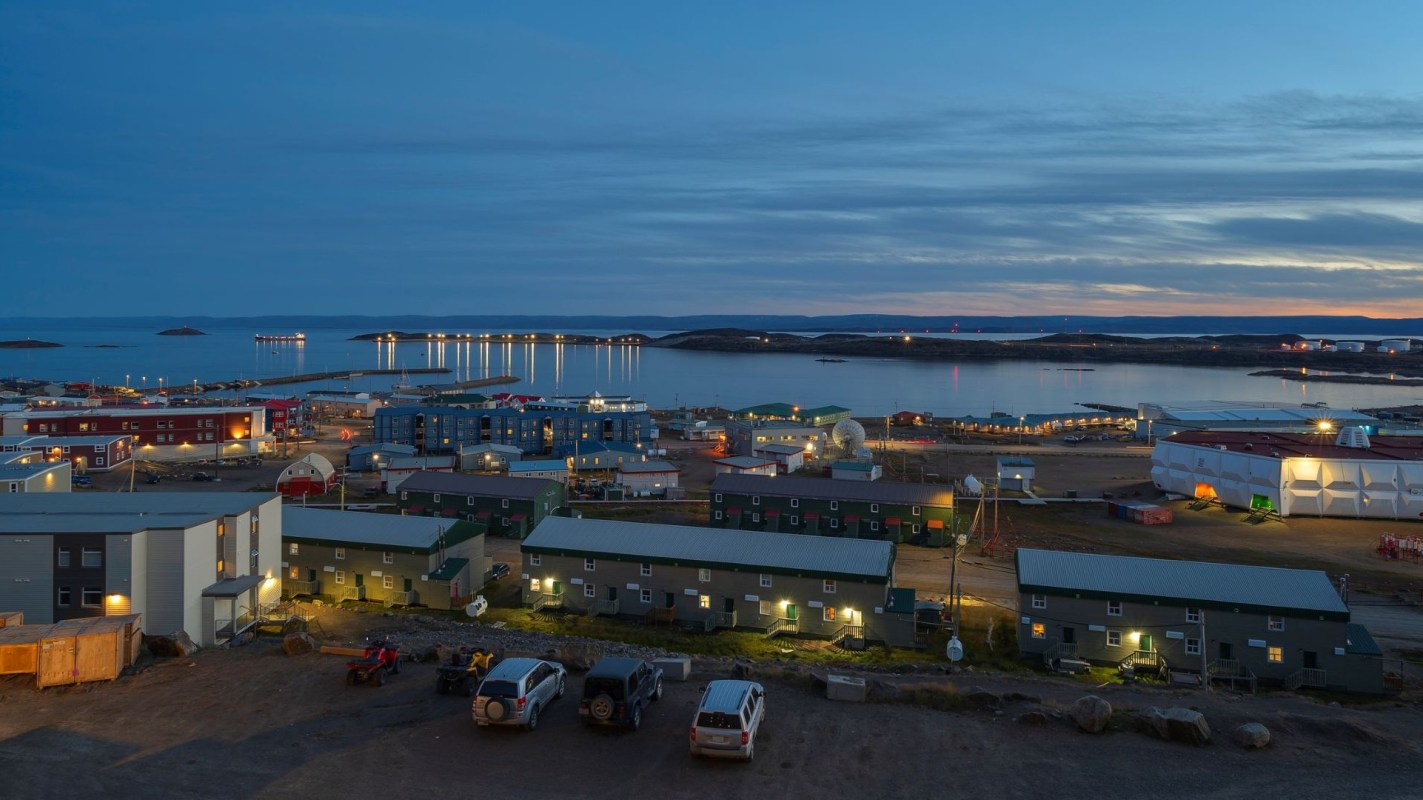
Katelyn Kirby, a civil engineering doctoral researcher at the University of Ottawa, led a team examining the Iqaluit Kuunga, also called the Sylvia Grinnell River, near Iqaluit in Nunavut.
The researchers used a robotic boat equipped with sonar to survey the riverbed and track current speeds, and even during late-summer low-water conditions, they found a stretch with enough flow to operate a turbine for about a dozen homes. This output was equivalent to another turbine in Igiugig, Alaska, which reduced diesel use by 60% to 90%.
After that site study, the researchers widened the analysis and did not find a consistent relationship between colder temperatures and how much diesel a turbine could replace.
TCD Picks » Quince Spotlight
💡These best-sellers from Quince deliver affordable, sustainable luxury for all




They identified 50 communities across Canada's North and 325 across eight Arctic and sub-Arctic countries that are candidates for hydrokinetic power.
Why does it matter?
Diesel remains dominant across the region: just a few years ago, around four out of five North American Arctic communities depended on it, according to Earth.com.
In Nunavut alone, diesel subsidies consume about one-fifth of the government's yearly budget, pulling money from housing, food, and care.
Installing a turbine in a nearby river could cut electricity costs, reduce reliance on fuel deliveries, and make communities less vulnerable when shipments are delayed.
There could also be health and environmental benefits. Burning diesel releases air pollution, while soot that settles on snow and ice can speed melting, as Earth.com noted. Replacing even a portion of that fuel use could mean cleaner air and less pressure on nearby ecosystems.
Hydrokinetic systems may also prove less disruptive than traditional dams, which can flood land, block fish migration, and interfere with sediment flow.
What are people saying?
Kirby noted that conventional dams have a "fraught past in the North," per Earth.com, particularly because they have flooded Indigenous lands and met significant resistance from local communities. That could make a smaller, removable turbine a more practical starting point.
However, the team cautioned that the findings are preliminary. Each potential site will require on-the-ground measurements, and communities will still need answers about possible effects on fish, ice conditions, and wildlife crossings before moving forward.

Get TCD's free newsletters for easy tips, smart advice, and a chance to earn $5,000 toward home upgrades. To see more stories like this one, change your Google preferences here.







