


A new way to recycle apple waste could boost the nutritional value of protein products, according to a new study by Cornell University.
And at a time when apple pomace — the solid residues of an apple after it is processed, namely its skin, pulp, seeds, and stalk — generates over 4 million tons of global waste every year, this alternative to hauling it off as animal feed, compost, and landfill waste is certainly worth digging into.
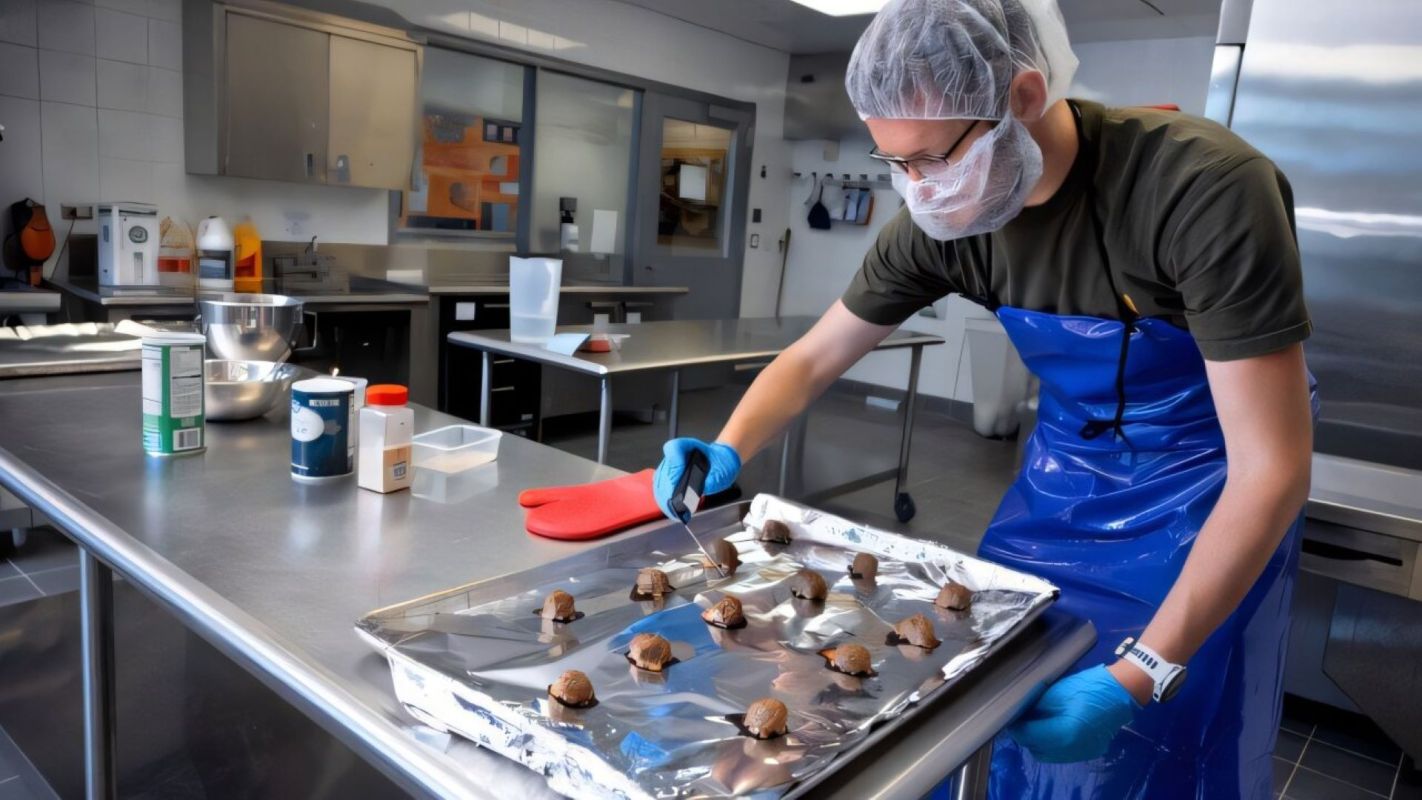
Once freeze-dried and milled into a fine powder, apple pomace can be blended into commercial beef meatballs, and none of the more than 100 untrained tasters that took part in the study were turned off by their aroma or texture.
"It's a great source of fiber and bioactives," said Elad Tako, corresponding author and associate professor of food science in the College of Agriculture and Life Sciences.
Considering that many populations fall short on fiber intake, apple waste might just be what they need to bridge the gap.
"As an ingredient, it also has an antioxidant effect and contributes to a longer shelf life for food products," Tako added.
Just like any other type of waste, fruit waste releases planet-warming gases and other potentially harmful chemicals as it decomposes, which can contaminate soil and groundwater.
Trading meat for plants in your diet is an effective way to minimize your carbon footprint, given that the latter uses less land and water and produces less pollution than conventional meat production. There are also a plethora of studies demonstrating that such a diet is key to a longer and healthier life.
More and more businesses are striving to make eating more sustainable. This includes flavor company T. Hasegawa USA, which is deploying a technology to tackle the unpleasant "off" notes of plant proteins, and Colorado-based startup Meati, which has chosen to bet on mushroom steaks.
As a bonus of the study, cider producers would not only save money on disposing of pomace but also make more by selling it as a value-added ingredient to food producers.
TCD Picks » Quince Spotlight
💡These best-sellers from Quince deliver affordable, sustainable luxury for all




"It's a win-win-win," Tako said. "It could mean more natural, better-for-you products for meat companies and the people who care about getting enough protein and other nutrients, but also provide a new income stream for apple and cider producers."
|
Would you buy juice or yogurt made with bruised or misshapen fruit?
Click your choice to see results and speak your mind. |
 If I couldn't tell the difference 🤔
Join our free newsletter for weekly updates on the latest innovations improving our lives and shaping our future, and don't miss this cool list of easy ways to help yourself while helping the planet.
Cool Picks





