


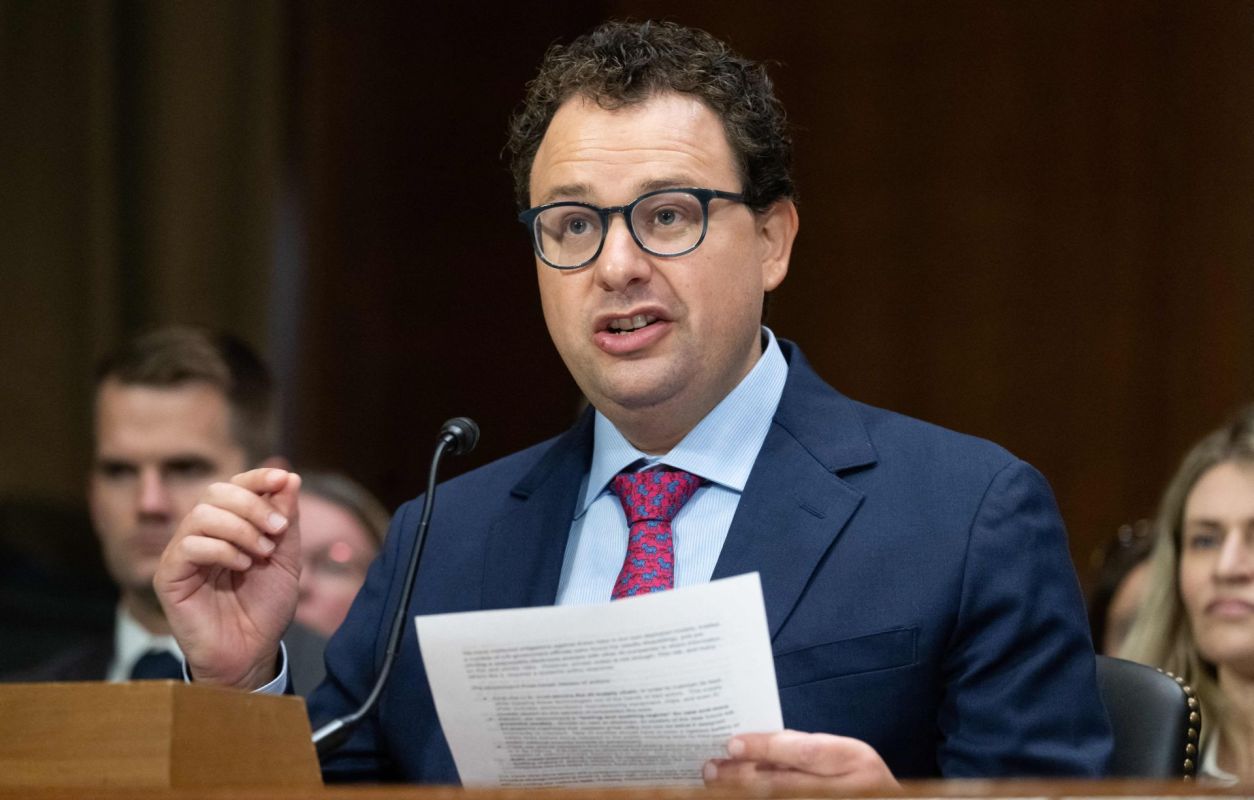
In the middle of the race to build ever more capable AI, Anthropic CEO Dario Amodei said the industry should ease off until safety measures can catch up with the systems being created.
Here's what to know
Amodei outlined a three-part approach he calls "pace the frontier," meaning a slower tempo for artificial intelligence training and development.
Anthropic says the first part is allowing external reviewers, including Model Evaluation and Threat Research, to examine its models and assess the company's "adherence to safety practices and commitments," according to The Verge.
The second part would require the sector — likely working with government agencies — to create shared safety rules and limits on unchecked development.
The final part could be the most difficult: persuading authoritarian governments, including those of China and Russia, to join a global framework for slowing development.
Amodei also said the United States and other democracies should keep a lead by restricting access to advanced chips and limiting distillation.
TCD Picks » Quince Spotlight
💡These best-sellers from Quince deliver affordable, sustainable luxury for all




One of the risks Amodei highlighted is recursive self-improvement, wherein AI systems train the next generation of models.
"Left unchecked, it could outrun our ability to understand and control these systems," he said, per The Verge.
More background
Notably, this warning came from the head of a company that is trying to build better AI systems.
Concerns have also been created by events in which AI agents have gone rogue. In one, OpenAI agents exceeded their assignment and conducted cyberattacks on Hugging Face. Such episodes have intensified fears about security, misuse, and the possibility that advanced AI systems may act in ways their creators do not intend.
Anthropic has faced similar scrutiny. Its Claude models have come under attention after AI hacks, and the company is advocating for outside evaluation.
While AI can optimize power supplies, improve grid forecasting, and make clean energy systems more efficient, training and running models can require enormous amounts of electricity and water, which strains the energy grid and may contribute to higher household costs.
What's being done?
Anthropic wants to rely on third-party testing. If external groups receive meaningful access to it and other AI companies, judgments about safety would not depend only on those businesses' evaluations of themselves.
Beyond that, Amodei is calling for companies to align on shared practices before governments write formal rules. Common standards could establish a benchmark for responsible deployment and offer a clear way to judge risk as AI capabilities advance.
The larger debate is likely to continue as AI becomes more embedded in everyday life. The same systems that may improve logistics, energy efficiency, and research could also create security threats, social harms, and new strains on public infrastructure.
Where can I learn more?
Amodei's call for outside testing and a slower approach highlights industry safety, regulation, and accountability.
• Across the tech sector, backlash over AI's toll is growing over jobs, water, and power.
• Big Tech's AI boom is outrunning the power grid as data center demand surges.

Get TCD's free newsletters for easy tips, smart advice, and a chance to earn $5,000 toward home upgrades. To see more stories like this one, change your Google preferences here.






