


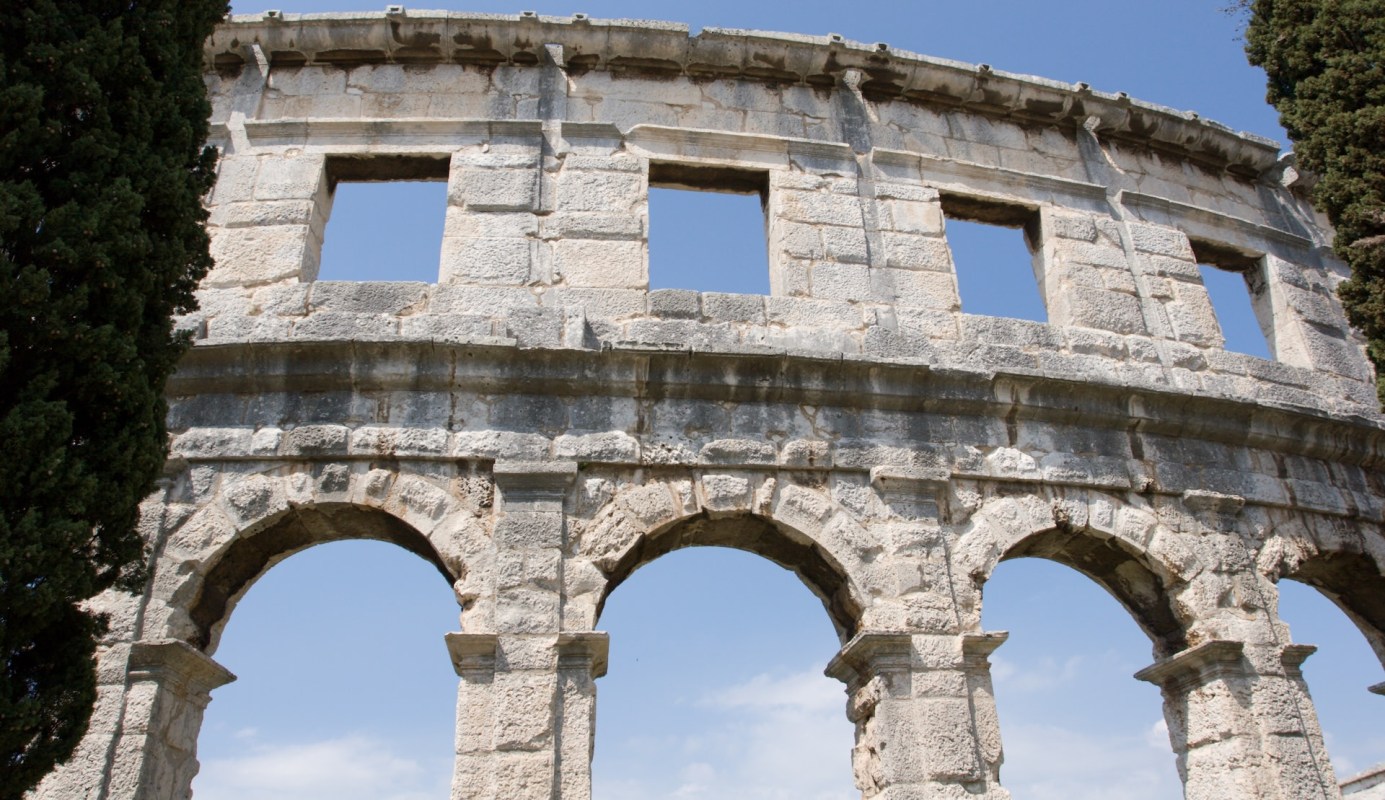
Concrete has a massive carbon footprint. One researcher from the University of Auckland is working to reduce it by studying ancient Roman techniques. Using natural volcanic materials and industrial byproducts, he's incorporating pumice and seashells to create an eco-friendly, traditional alternative.
At the Structures Testing Laboratory in Newmarket, New Zealand, Enrique Del Rey Castillo blends volcanic ash and kaimoana shells as replacements in the cement-making process, leveraging their self-healing properties, which can repair cracks over time through natural chemical reactions.
This initiative is crucial, as concrete is one of the world's most polluting materials, with global cement production accounting for 8% of total carbon emissions, contributing to rising global temperatures and increasing health risks.
Del Rey Castillo has spent years testing how local materials can serve as sustainable alternatives. After focusing on conventional substitutes such as fly ash, he shifted to natural materials available nearby.
"I realised we have a huge potential in New Zealand with the use of natural volcanic materials and byproducts of primary industries," Del Rey Castillo said.
Concrete is essential for constructing bridges, roads, dams, and buildings, but its production releases over 4 billion tons of carbon dioxide annually. Calcining cement-primary materials at 1,500 degrees Celsius in a kiln emits large amounts of carbon dioxide and produces chemical reactions. Each pound of concrete releases 0.93 pounds of carbon dioxide.
Pumice, however, doesn't require the energy-intensive calcining process; it just needs to be dried at 100 degrees Celsius to remove moisture before being ground into a fine powder. "The carbon footprint is about 8-10% of the carbon footprint of cement," Del Rey Castillo explained.
He's the first to thoroughly explore the use of pumice and seashells, historically utilized by the Indigenous Māori people, for their potential in concrete production. Inspired by ancient Roman engineering, which used burnt limestone and volcanic ash, he proposes substituting seashells for limestone, which releases carbon trapped long ago.
The mātauranga Māori tradition of environmental protection and building for future generations is central to this approach. Del Rey Castillo estimates that 50,000 tons of shell waste from sea urchins and mussels generated by New Zealand's aquaculture industry can be used in cement.
This new cement can reduce production costs, improve concrete performance, and make use of alternative materials that require less time, labor, and resources. This results in cheaper products, homes, and repairs as well as savings for consumers while reducing long-term health risks from carbon pollution.
TCD Picks » Quince Spotlight
💡These best-sellers from Quince deliver affordable, sustainable luxury for all




|
Do you think we still have a lot to learn from ancient cultures? Click your choice to see results and speak your mind. |
 Definitely 👍
 The new material also has the potential to self-heal, like Roman lime-based concrete, which triggered chemical reactions from water and lime to create crystals that sealed gaps, allowing it to last centuries.
New Zealanders can expect to see this material by the end of the decade. The self-healing stage research is a year away, but the use of pumice has already proved effective. Starting with low-spec applications such as footpaths and small house foundations, Del Rey Castillo believes he can build from there to establish sustainable foundations for the future.

Join our free newsletter for weekly updates on the latest innovations improving our lives and shaping our future, and don't miss this cool list of easy ways to help yourself while helping the planet.
Cool Picks





