


Scientists used to believe early humans largely stayed away from Africa's dense tropical rainforests.
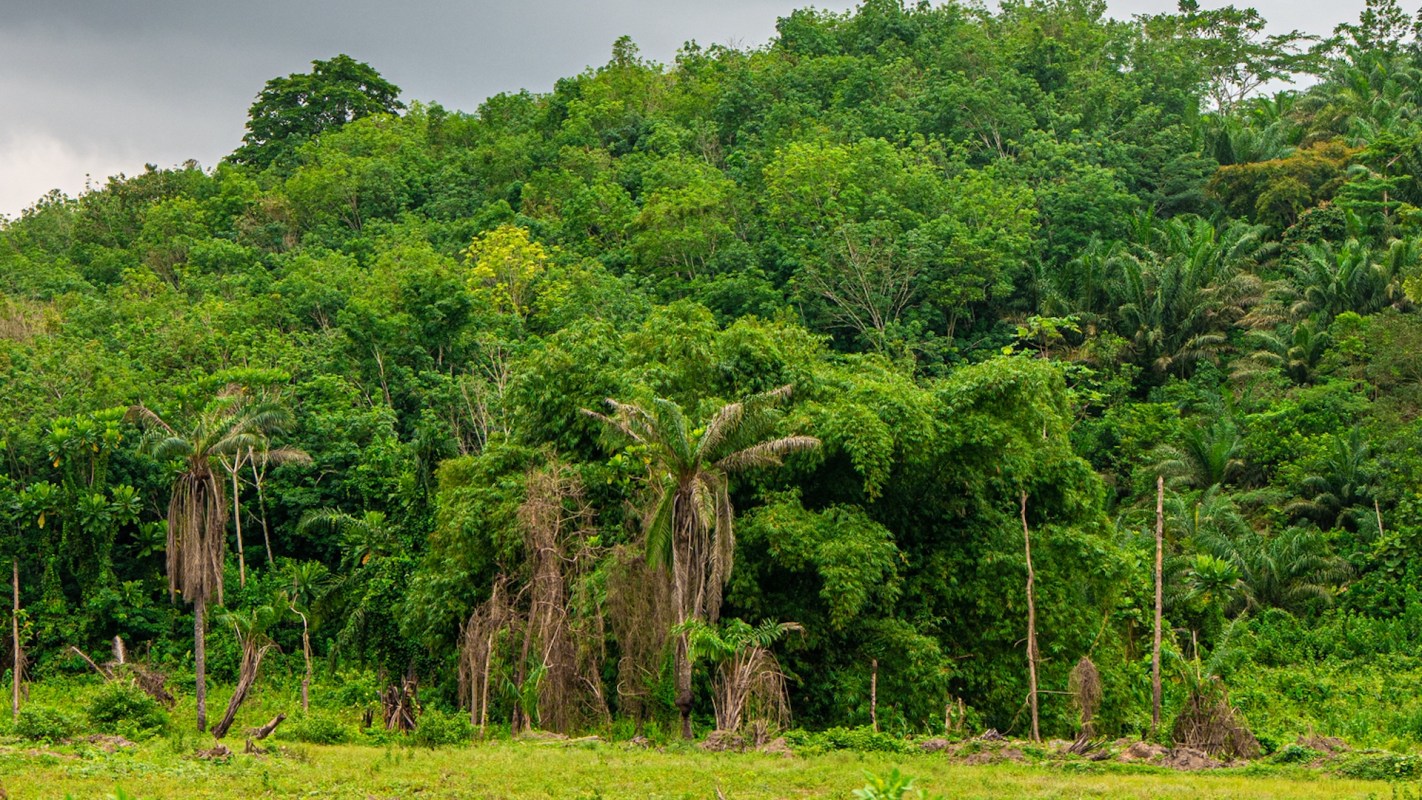
However, a new discovery in present-day Côte d'Ivoire suggests that Homo sapiens were living in wet West African forests around 150,000 years ago.
What's happening?
Researchers studying an archaeological site known as Bété I uncovered evidence that humans occupied a rainforest environment far earlier than experts had previously confirmed, ScienceDaily reported, citing the Max Planck Institute of Geoanthropology.
The findings, published in the journal Nature, push the oldest known evidence of rainforest habitation back by more than twice the earlier estimate.
Excavation of Bété I in the 1980s revealed stone tools. Scientists at the time lacked the methods needed to determine exactly how old the artifacts were or the type of environment in which they existed.
Newer techniques, including Optically Stimulated Luminescence and Electron-Spin Resonance dating, changed that. Both methods told researchers that early humans occupied the rainforests roughly 150,000 years ago.
TCD Picks » Quince Spotlight
💡These best-sellers from Quince deliver affordable, sustainable luxury for all




According to ScienceDaily, researchers also analyzed pollen, phytoliths, and chemical traces preserved in the sediment. The evidence showed that the area was a true humid rainforest with very little grass pollen and strong signs of dense forest cover.
Why is it important to know early humans lived in rainforests?
ScienceDaily stated that this discovery challenges the long-standing idea that early humans lived in open grasslands and other less demanding environments.
That flexibility may have been one of the traits that helped our species endure while other human relatives disappeared.
"Convergent evidence shows beyond doubt that ecological diversity sits at the heart of our species," said Eleanor Scerri, senior author of the study.
ScienceDaily also suggested researchers may need to reconsider how long people have been shaping rainforest ecosystems through hunting, fire use, and plant management.
For people today, the study is a reminder that rainforests are deeply tied to the human story. Protecting them preserves ecological richness and a much older chapter of our shared past.
What's being done?
As ScienceDaily noted, timing proved especially important because mining later destroyed the site. Several additional sites in the region remain largely unexplored, which means people could uncover even older evidence of rainforest-dwelling humans. Continued fieldwork, funding, and site protection could continue to help fill in those major historical gaps.

Get TCD's free newsletters for easy tips, smart advice, and a chance to earn $5,000 toward home upgrades. To see more stories like this one, change your Google preferences here.






