


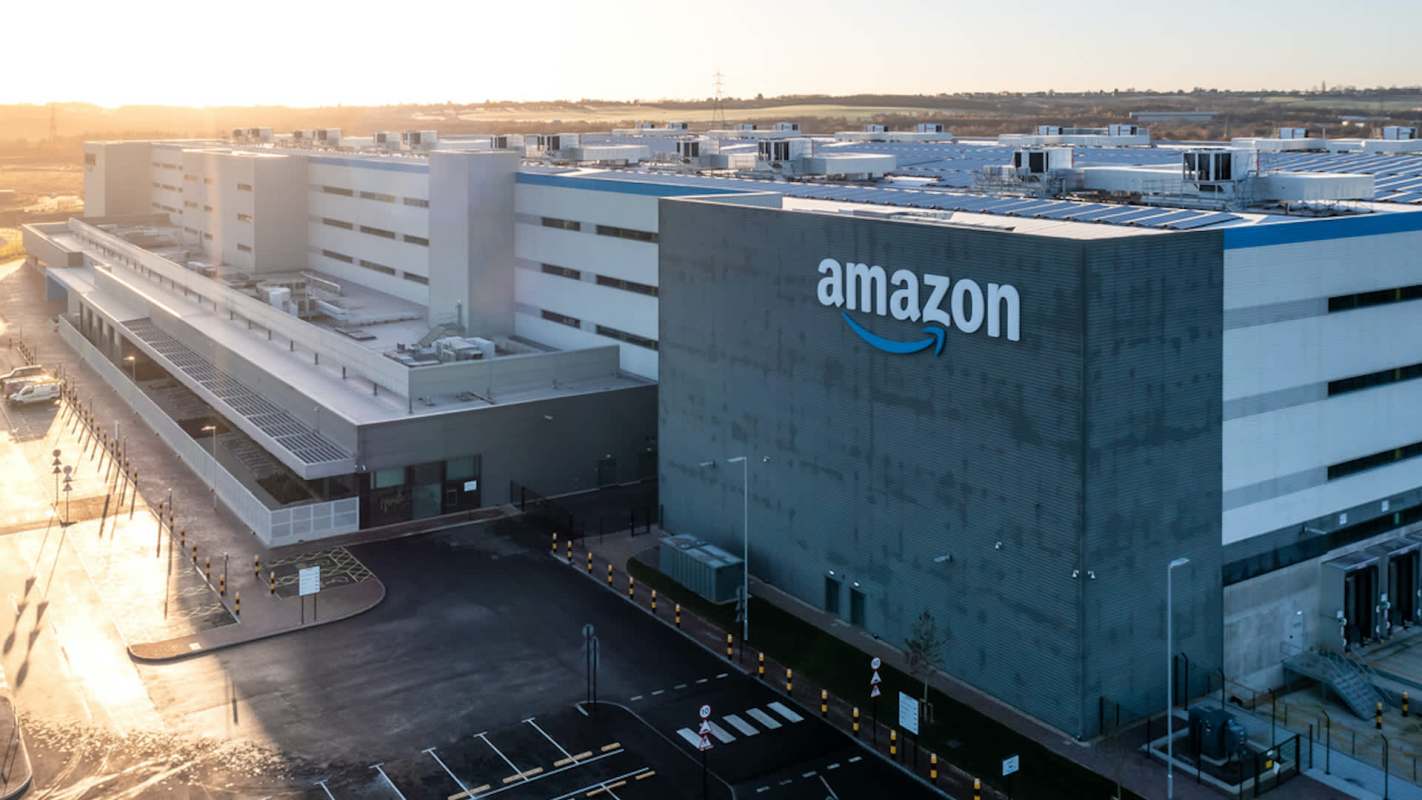
Gilroy, California, is a farming community with deep ties to garlic. But on a 56-acre site off Camino Arroyo, a different kind of project has been taking shape that many residents say advanced with almost no public notice.
Amazon Web Services won approval for a $2 billion data center there without a City Council vote or Planning Commission hearing. The approval shows how fast-growing artificial intelligence infrastructure can move into communities under old zoning rules.
What happened?
The planned campus totals 438,500 square feet, with an initial phase of about 218,000 square feet, according to Gadget Review (via Yahoo). AWS bought the site in 2020, and Gilroy's community development director approved that first phase July 3, 2023.
City documents said no public hearing was required, and the parcel's longstanding industrial zoning allowed staff to approve the project without a vote by elected officials.
Residents say the hyperscale data center brings a far larger footprint and different set of concerns than ordinary industrial projects, though city officials maintain the same rules were used in past cases. Mayor Greg Bozzo said warehouses and food-processing facilities have long gone through the process, per Gadget Review.
Why does it matter?
The debate has focused on water use, fire risk, and the sense that residents had no meaningful opportunity to weigh in. Water is already a touchy subject in farm country, so the large data center has drawn particular scrutiny.
TCD Picks » Quince Spotlight
💡These best-sellers from Quince deliver affordable, sustainable luxury for all




Gilroy is not alone. Many communities around the country still operate under industrial zoning rules written before anyone anticipated giant cloud-computing campuses tied to AI growth. Under those frameworks, other data center projects could also receive legal approval with minimal public review, leaving community opposition to surface only after construction is underway.
AI's rapid growth is tightly linked to the power grid since training and running AI systems takes enormous amounts of electricity. AI tools can help utilities forecast demand and integrate wind and solar power efficiently, but the data centers behind them also drive up energy and water use, raising the risk of higher utility bills and strain on local grids.
What's being done?
For future data center proposals, Gilroy officials are considering new rules that would require a Planning Commission review, meetings with the community, and direct notice sent to nearby residents.
Roger Wehner, an AWS representative, said the company understood that residents wanted earlier engagement and noted it held an open house for the community, Gadget Review reported, citing the Wall Street Journal.

Get TCD's free newsletters for easy tips, smart advice, and a chance to earn $5,000 toward home upgrades. To see more stories like this one, change your Google preferences here.






