


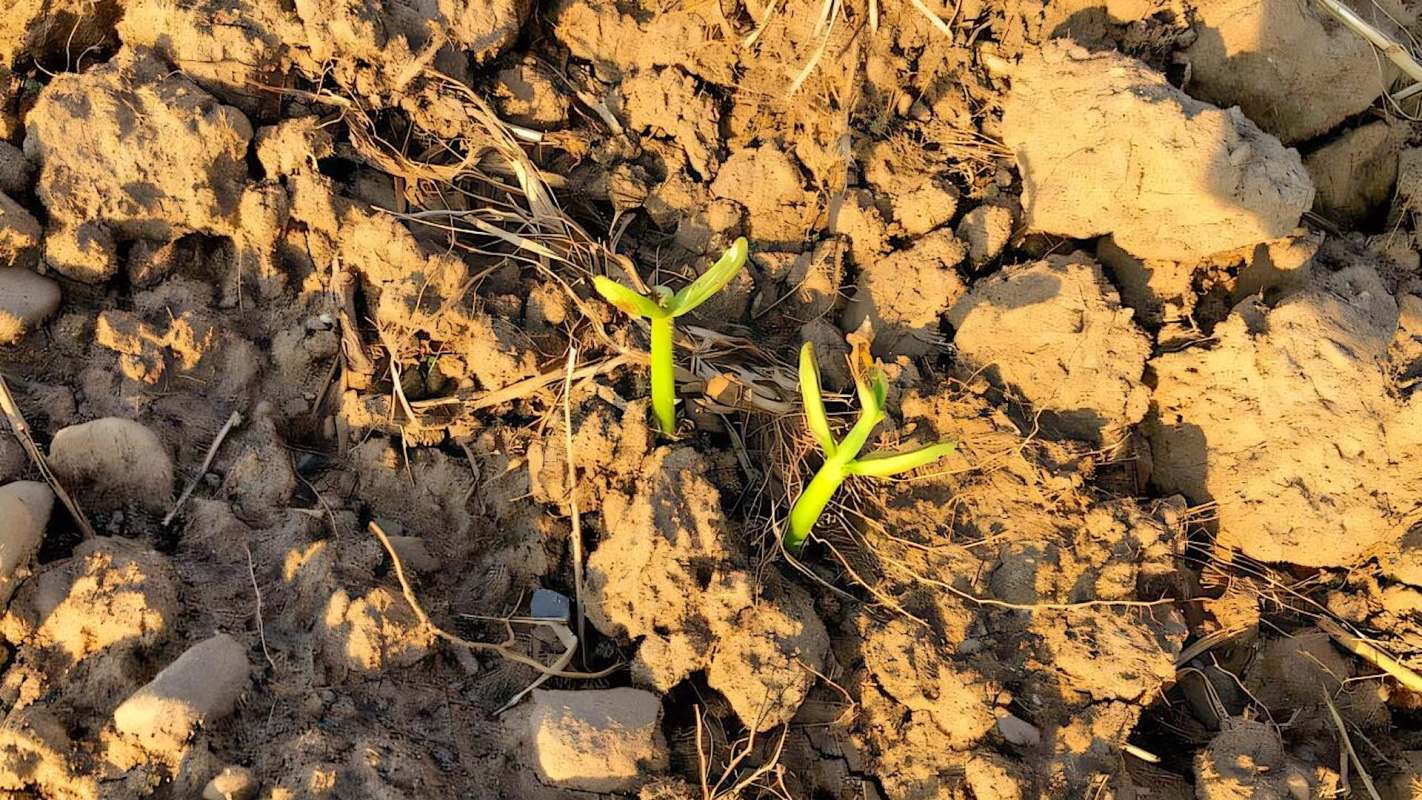
A study published by Cornell researchers last month offered alternatives to traditional pesticides.
Pesticides might seem helpful for agriculture, but they can actually damage crop yields in the long run. That's because many of them kill insects indiscriminately, harming pollinators alongside pests.
While pesticides are ranked according to their toxicity to bees, according to Penn State University, studies show that even those perceived to be less harmful aren't necessarily safe. Bees exposed to pesticides experience long-term health effects, including reduced foraging ability in both honeybees and bumblebees.
They're not great for humans, either. Common pesticides can diminish health across generations, affecting hormonal regulation, learning ability, and other physiological processes.
The agriculture industry also heavily relies on pollinators, like honeybees and bumblebees, to function. According to the U.S. Department of Agriculture, about 35% of the world's food crops rely on animal pollinators to reproduce. Clearly, pesticide alternatives are sorely needed.
Brian Nault, professor in the Department of Entomology at Cornell AgriTech in the College of Agriculture and Life Sciences and study co-author, told the Cornell Chronicle, "We wanted to find other options for growers to protect their vegetable crops from major pests."
The study was conducted across five states — New York, Delaware, Minnesota, Washington, and Wisconsin. It examined the effects of neonicotinoid pesticides versus non-neonicotinoid pesticides on seedcorn maggots. According to the research, neonics are uniquely harmful to insects and threaten over 200 endangered species.
The researchers discovered five alternative treatments that proved just as effective as neonics, though only for sweet corn.
This discovery is a vital first step for research into alternatives to harmful pesticides. In the future, the researchers aim to find more solutions. Leonardo Salgado, the study's first author, told the Cornell Chronicle, "The alternatives we are finding may not be a one-solution-fits-all, and we need to supplement these new solutions that we have with other strategies."
|
Do you worry about having toxic forever chemicals in your home?
Click your choice to see results and speak your mind. |
 Majorly 😥
Join our free newsletter for weekly updates on the latest innovations improving our lives and shaping our future, and don't miss this cool list of easy ways to help yourself while helping the planet.
TCD Picks » Quince Spotlight
💡These best-sellers from Quince deliver affordable, sustainable luxury for all




Cool Picks





