


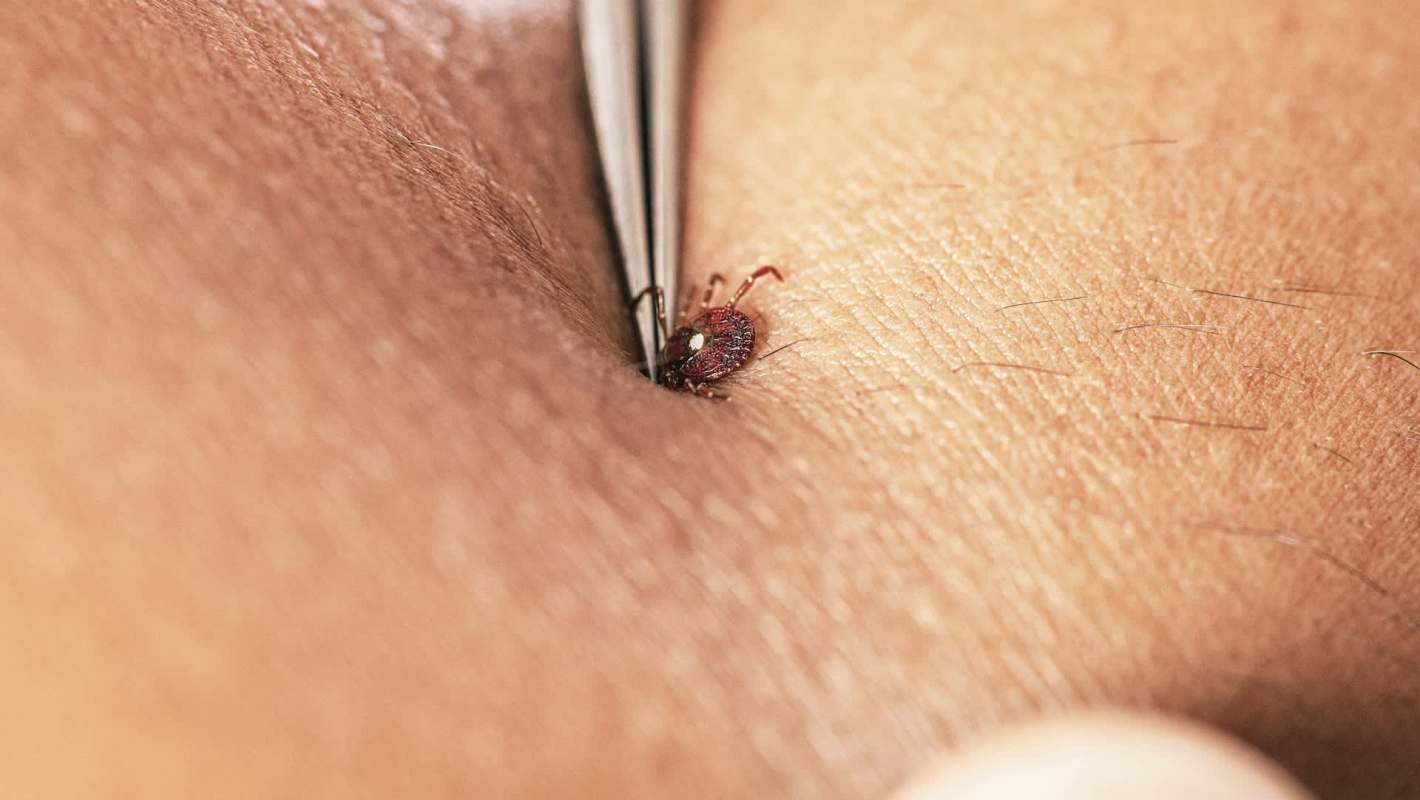
A little-known public health problem in the United States may trace back about 30 million years.
A recent feature in Entomology Today connects the alpha-gal condition to an ancient primate mutation that left humans unable to produce a sugar present in most other mammals and helps explain why some people's immune systems can react so intensely after certain tick bites.
Alpha-gal syndrome is the tick-linked allergy that can make people sick after eating red meat.
According to researchers, who published their findings in the Journal of Medical Entomology, AGS likely began with a genetic change in our primate ancestors that occurred roughly 28 million years ago.
They explain that a prehistoric pathogen most likely exploited sugars made within primates to evade their immune systems. Over time, primates halted the production of the sugar, known as "alpha-gal," and produced antibodies against it.
This mutation provided defense against that ancient pathogen and illnesses like malaria and bacterial sepsis, the researchers explain. It might also be what causes some humans to lose the ability to make alpha-gal after a tick bite.
TCD Picks » Quince Spotlight
💡These best-sellers from Quince deliver affordable, sustainable luxury for all




In some people, bites from lone star ticks can sensitize the immune system to alpha-gal. Once that happens, eating red meat can trigger an allergic reaction.
Although the syndrome has taken on new urgency, it was only formally identified in 2009. Since then, concern has grown as lone star ticks have spread farther north in the U.S., a shift scientists have linked in part to rising global temperatures.
The numbers may also be larger than many people assume. Researchers estimate the U.S. may have more than 450,000 undiagnosed cases.
Many people, and even some doctors, may not immediately connect a reaction to red meat with a tick bite, especially because symptoms can appear hours later.
Alpha-gal syndrome matters because it sits at the crossroads of evolutionary biology, shifting tick patterns, and everyday health.
For affected people, it can reshape daily life. Someone with AGS may need to avoid common foods and read ingredient labels carefully. In some cases, reactions can be severe.
There is also a broader environmental signal. As warmer conditions help ticks survive in new places, illnesses linked to tick exposure can become more common in areas that were once less affected.
That does not mean every tick bite leads to alpha-gal syndrome, but it does suggest that changing temperature patterns can affect who is exposed and where.
It also adds pressure on health systems to recognize emerging patterns faster, improve diagnostic testing, and ensure patients are not dismissed when symptoms do not fit a familiar pattern.
To address AGS, experts are pointing to several practical steps: more physician education, stronger testing, and further study of why some people become allergic after tick bites while others do not.
Earlier recognition could help patients get answers sooner and reduce the risk of repeated allergic reactions. Better testing could also give doctors a clearer way to distinguish AGS from other food allergies or unexplained gastrointestinal issues.
For individuals, prevention remains important.
In areas where lone star ticks are present, that can mean using tick repellents, wearing protective clothing while hiking or walking through tall grass, checking for ticks after time outdoors, and removing attached ticks quickly and carefully.
People who notice unusual symptoms after a tick bite, especially reactions after eating red meat, may want to visit a healthcare provider.
On a broader level, tracking tick expansion and investing in public health education can help communities respond as exposure patterns shift.
The more doctors, researchers, and families understand about alpha-gal syndrome, the better prepared they will be to identify it early and adapt to a health threat that is no longer as rare — or as regional — as it once seemed.

Get TCD's free newsletters for easy tips, smart advice, and a chance to earn $5,000 toward home upgrades. To see more stories like this one, change your Google preferences here.






