


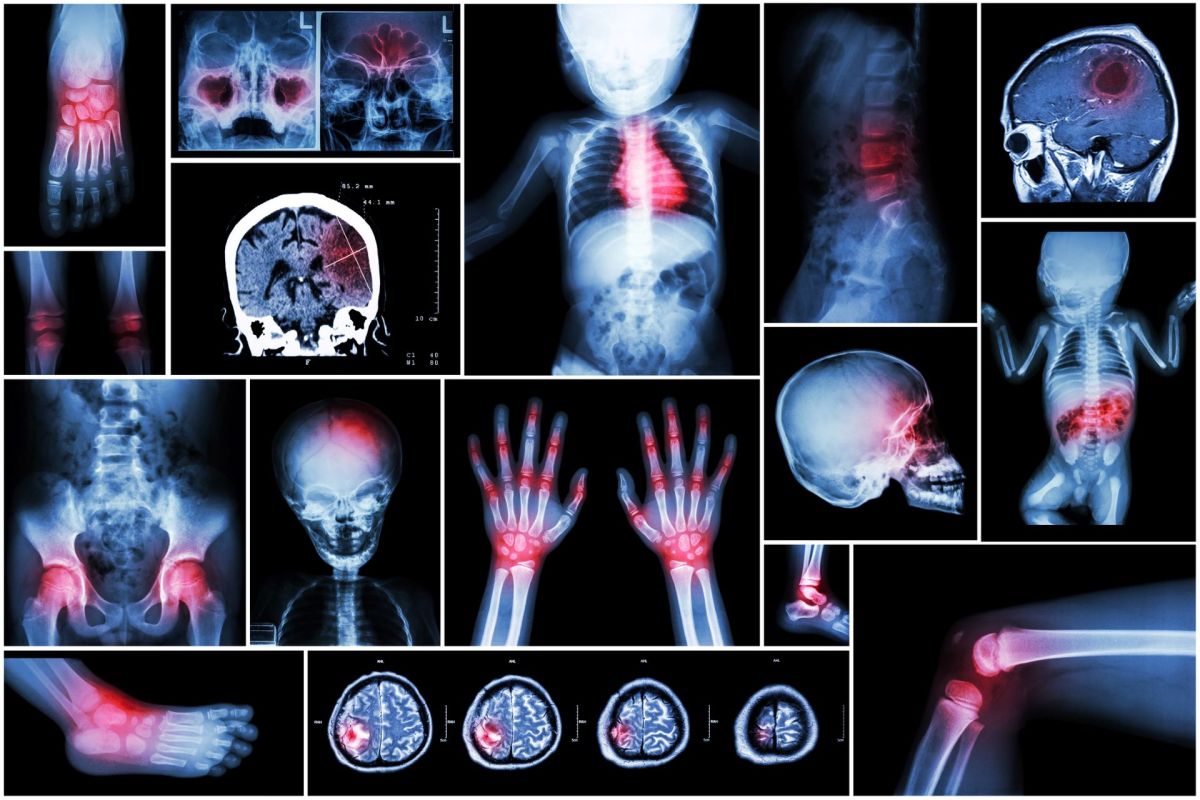
Prenatal exposure to air pollution may impact newborns' brain development, according to new research summarized by PsyPost. However, scientists are still exploring the potential long-term implications.
What's happening?
A study conducted by researchers based in Barcelona, Spain, and published this October in the journal Environment International suggests that greater exposure to fine particulate matter — also known as PM2.5 — in pregnant people is associated with lower levels of myelinated white matter in a baby's brain during the first month of life. White matter, found in the deeper tissues of the brain, is a key indicator of brain maturity.
The researchers' findings also indicated that timing of the exposure may be relevant: Higher exposure to PM2.5 during the first trimester was linked to lower levels of cortical myelination, while higher exposure during the third trimester was associated with lower global myelinated white matter.
Though the results suggest that air pollution may interfere with the normal timeline of brain maturation, the authors underscored that this change may not necessarily be detrimental over the long term.
Still, "the findings in these newborns, born in Barcelona after the first phase of the low-emission zone, warn us that we cannot slacken our efforts to clean up city air," Jordi Sunyer, study co-author and researcher at the Barcelona Institute for Global Health, said in an institute release. "Further steps are needed to meet the new air quality standards."
Why is this study important?
The study adds to a growing body of research exploring how air pollution might affect the most vulnerable populations — and the populations least responsible for that pollution.
Another recent study found that exposure to air pollution later in pregnancy could significantly increase the odds of newborns ending up in intensive care. Similar research has suggested that a pregnant person's exposure to toxic airborne particles may increase the risk of low birth weight in their newborn as well.
Of course, previously established science has already shown that air pollution can pose significant risks to children and adults. The United States Environmental Protection Agency has said that exposure to particulate matter can contribute to cardiac conditions, decreased lung function, and even premature death in people with heart or lung disease.
The agency has also pointed to other environmental dangers of particulate matter, including increasing the acidity of lakes and streams, damaging sensitive forests, depleting soil nutrients, and affecting ecosystem diversity.
What's being done about air pollution?
Barcelona's low-emission zone restricts polluting vehicles from 7:00 a.m. to 8:00 p.m. New York City recently implemented similar fee-based restrictions downtown, and new data have revealed that this change has reduced air pollution, traffic congestion, and noise complaints.
TCD Picks » Quince Spotlight
💡These best-sellers from Quince deliver affordable, sustainable luxury for all




You can help reduce air pollution where you live by relying less on gas-powered vehicles. Cleaner options can include walking and riding a bicycle when possible and safe. Using public transportation — or voicing support for expanding equitable access to public transit in your area — can also help.
|
Do you feel like the air quality is safe where you live? Click your choice to see results and speak your mind. |
 Always 💯
Get TCD's free newsletters for easy tips to save more, waste less, and make smarter choices — and earn up to $5,000 toward clean upgrades in TCD's exclusive Rewards Club.
Cool Picks





