Air pollution isn't solely a big city problem — it's an issue nearly everywhere in the world.
According to Reuters, only seven countries met World Health Organization (WHO) air-quality standards last year.
Unfortunately, more studies are showing the true consequences of governments' failure to address air pollution.
What's happening?
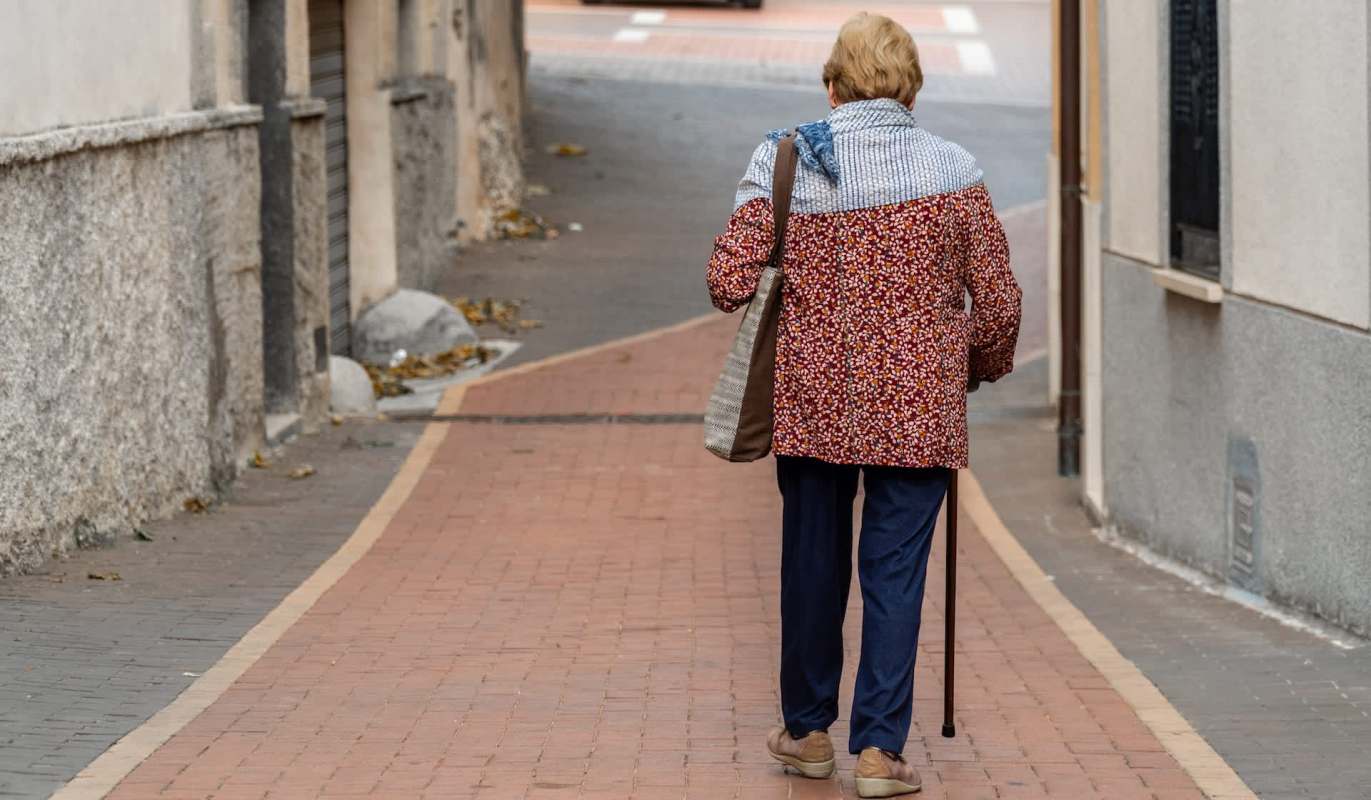
A new meta-analysis of studies found that air pollution increases the likelihood of frailty in both middle and old age, according to the Guardian.
The review spanned 11 countries across 10 studies, all of which examined the connection between outdoor air pollution and frailty.
Two studies found that men were at greater risk than women, particularly from particle pollution. As the risk of frailty increased with particle pollution, it was deemed possible that 10 to 20% of current frailty cases were triggered by air pollution.
Perk up the winter blues with natural, hemp-derived gummies Camino's hemp-derived gummies naturally support balance and recovery without disrupting your routine, so you can enjoy reliable, consistent dosing without guesswork or habit-forming ingredients. Flavors like sparkling pear for social events and tropical-burst for recovery deliver a sophisticated, elevated taste experience — and orchard peach for balance offers everyday support for managing stress while staying clear-headed and elevated.
Learn more → |

Secondhand smoke was determined to be the greatest cause of frailty, as exposure to it at home increased risks by 60%.
Dr. Zahra Jafari of Dalhousie University, co-author of the review, emphasized the gravity of the findings.
"Frailty is a critical health outcome that demands urgent attention, particularly with an aging population," Jafari said.
"It is linked to heightened vulnerability, loss of independence, and higher healthcare costs. Importantly, frailty is not inevitable; it can be delayed, prevented, or even reversed."
TCD Picks » Upway Spotlight
💡Upway makes it easy to find discounts of up to 60% on premium e-bike brands





|
Do you worry about having toxic forever chemicals in your home?
Click your choice to see results and speak your mind. |
 Majorly 😥
 Why is air pollution concerning?
Life expectancy currently stands at 78.4 years, according to the Centers for Disease Control and Prevention.
While stress on the system is a significant side effect of air pollution, it's more important to focus on improving the quality of life and maximizing independence as we age.
Air pollution is already linked to a variety of diseases and adverse health outcomes, including stroke, brain damage, heart disease, dementia, lung disease, osteoporosis, and immunosuppression, according to the WHO.
Because the particles in air pollution are so small, it's far easier for them to enter our lungs and bloodstream, causing chronic inflammation and increasing cancer risk.
What's being done about air pollution?
While many systemic efforts to address environmental protections remain at a standstill in the U.S., there are encouraging advances underway abroad.
A U.K. startup is developing bricks that can absorb toxic air pollutants, while researchers in Finland are converting air pollution into plastic.
It's also important to know that air pollution and its damage to human health are reversible.
Small changes in our everyday lives can have a big impact on our health, such as switching from a gas-powered range to an induction stove, upgrading to an electric vehicle, and avoiding smoking and secondhand smoke.
Those living in areas with frequent wildfires can invest in air purifiers and N95 masks for days when air quality is poor.

Get TCD's free newsletters for easy tips to save more, waste less, and make smarter choices — and earn up to $5,000 toward clean upgrades in TCD's exclusive Rewards Club.
Cool Picks