


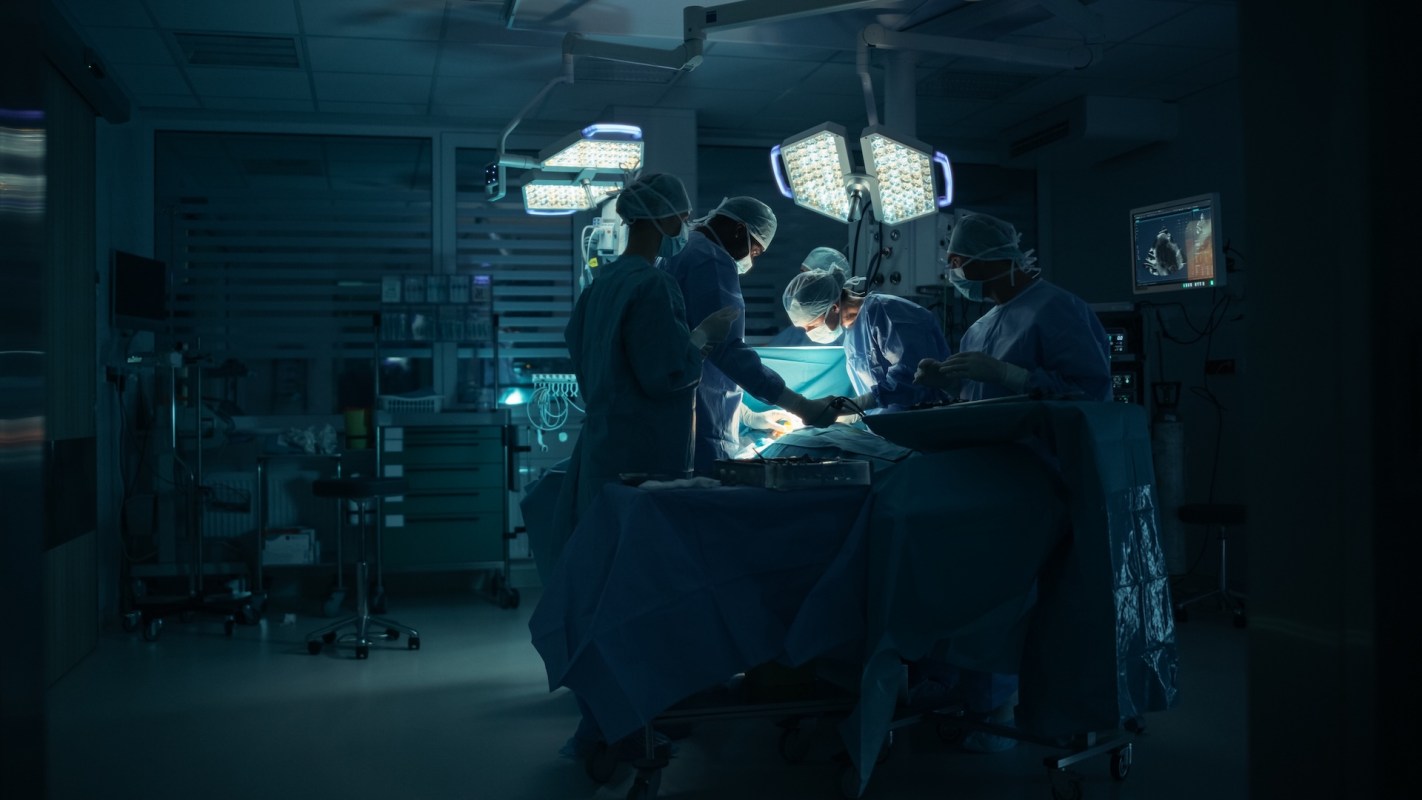
More industries are investing in and relying on artificial intelligence, including surgeons inside the operating room. But according to an investigation by Reuters, when algorithms guide surgical tools, regulators receive an uptick in safety reports and lawsuits.
What's happening?
According to court filings and Food and Drug Administration records, U.S. regulators have received more than 1,401 reports since 2021 involving devices on the FDA's AI list. The allegations include botched surgeries and software that misidentified body parts.
For example, a sinus surgery device called the TruDi Navigation System was updated in 2021 to include AI. According to the FDA adverse event reports cited by Reuters, there were seven malfunction reports before AI was added and at least 100 reports of malfunctions and adverse events after the update. Two patients in Texas allegedly suffered strokes after their surgeons were misinformed about the location of surgical instruments near a carotid artery.
"[Acclarent] knew or should have known that the purported artificial intelligence caused or exacerbated the tendency of the integrated navigation system product to be inconsistent, inaccurate, and unreliable," the suit alleges, as reported by Reuters.
Integra LifeSciences responded to Reuters for comment, saying there is "no credible evidence" linking the AI tech to the injuries.
Why is AI in surgery concerning?
AI-enabled medical devices can pose safety risks, especially because they are not required to undergo clinical trials in patients, according to Washington University medical school instructor Dr. Alexander Everhart. This includes a prenatal ultrasound tool called Sonio Detect that allegedly misidentified fetal body parts and heart monitors made by Medtronic that allegedly failed to recognize abnormal rhythms.
Perk up the winter blues with natural, hemp-derived gummies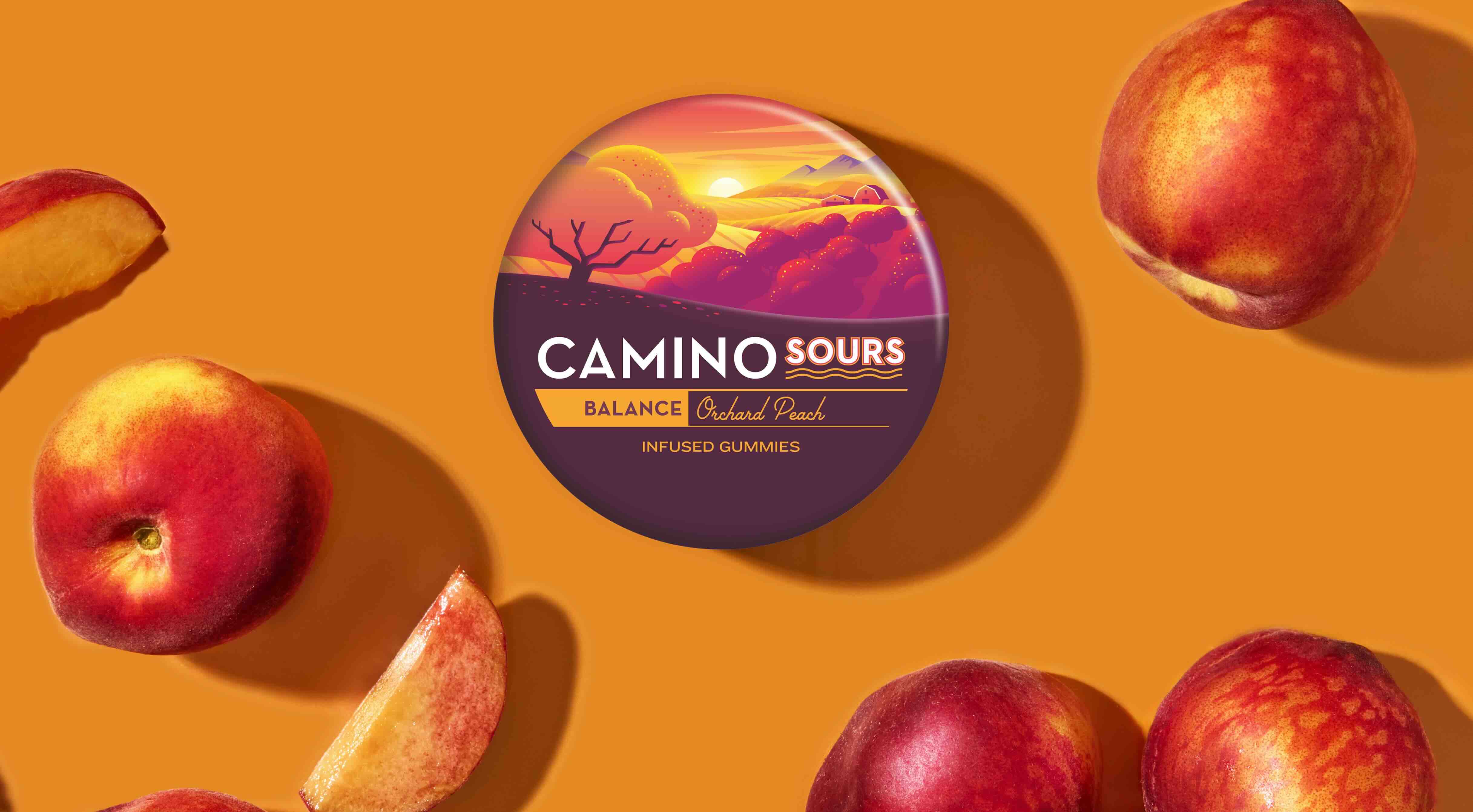 Camino's hemp-derived gummies naturally support balance and recovery without disrupting your routine, so you can enjoy reliable, consistent dosing without guesswork or habit-forming ingredients. Flavors like sparkling pear for social events and tropical-burst for recovery deliver a sophisticated, elevated taste experience — and orchard peach for balance offers everyday support for managing stress while staying clear-headed and elevated.
Learn more → |
According to Everhart, the FDA's "traditional" ways of regulating devices aren't effective at ensuring AI-enabled tech is safe, especially for medical treatments. For example, a research letter published in JAMA Health Forum, cited by Reuters, found that AI medical devices were linked to 182 recalls, and 43% of those recalls occurred less than a year after authorization.
Aside from the reported medical risks, AI use is straining energy systems worldwide. AI systems can require significant electricity and water resources while raising energy demands and costs. At the same time, with smart grid optimization, AI can help improve clean energy integration and efficiency, showing that this kind of technology can be both promising and risky.
What's being done about AI medical devices?
A spokesperson for the U.S. Department of Health and Human Services, quoted by Reuters, said patient safety remains the top priority and the agency will continue to learn more about AI and digital health. The FDA expanded its roster of AI specialists, though former employees said staffing cuts increased workloads.
As AI becomes more embedded in everyday products and various industries, it's important for consumers to understand how these emerging technologies are marketed. Educating yourself about greenwashing can help in evaluating corporate promises.
TCD Picks » Upway Spotlight
💡Upway makes it easy to find discounts of up to 60% on premium e-bike brands





|
What's the most you'd pay per month to put solar panels on your roof if there was no down payment?
Click your choice to see results and speak your mind. |
 $200 or more 💰
Get TCD's free newsletters for easy tips to save more, waste less, and make smarter choices — and earn up to $5,000 toward clean upgrades in TCD's exclusive Rewards Club.
Cool Picks





