


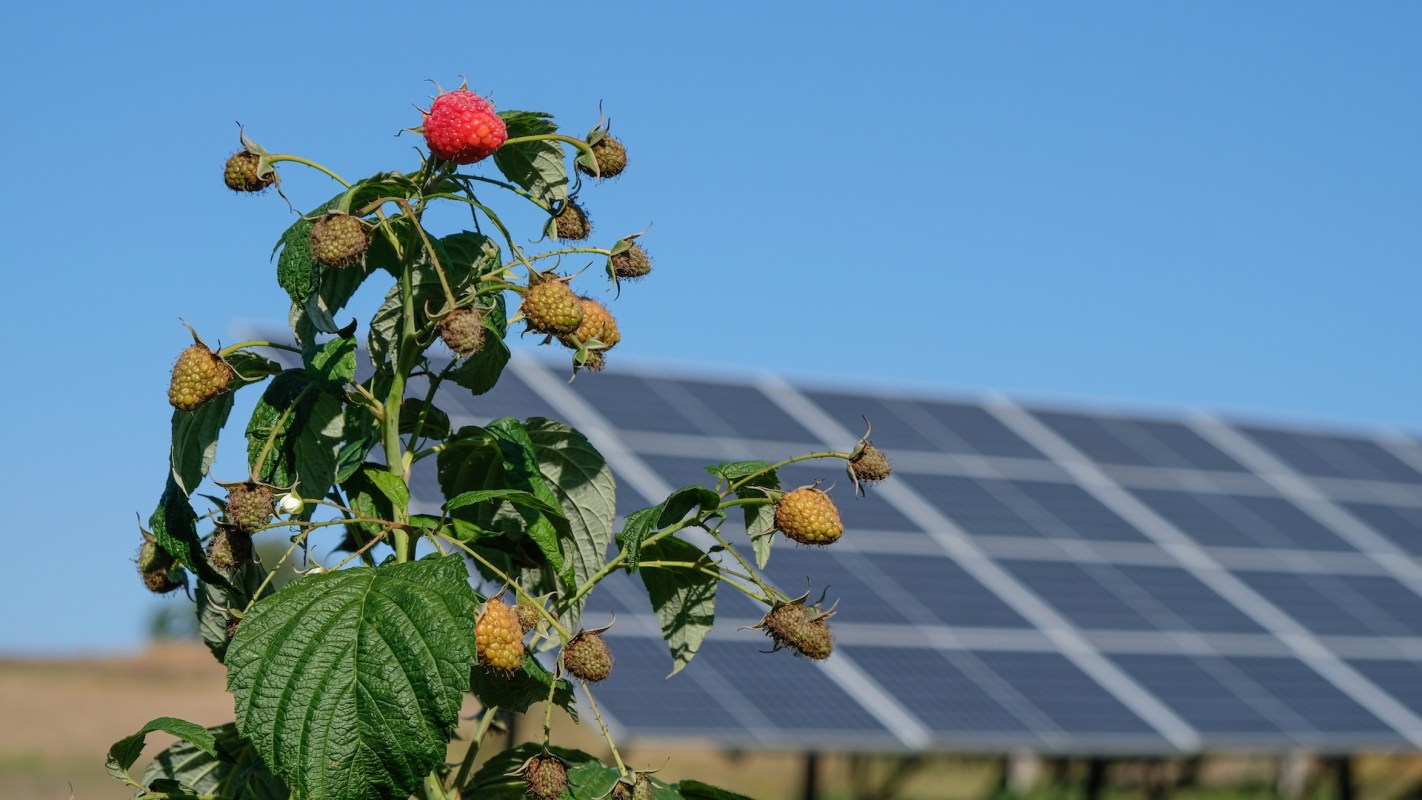
Agrivoltaics — also known as dual-use farming — provides immense possibilities for a greener future.
A research project from the University of Illinois has taken a hands-on approach to studying this method of farming, using Illinois crops to test its effectiveness.
According to FarmWeekNow, an agrivoltaic site was built by the Sustainable Colocation of Agricultural and Photovoltaic Electricity Systems team and funded by the USDA National Institute of Food and Agriculture.
It opened at the university's Urbana-Champaign campus, and it's hoped it will provide further understanding of how solar panels and agriculture production work together.
"The science was untested," said Madhu Khanna, director of the Institute for Sustainability, Energy, and Environment and leader of the SCAPES team.
"Could crops thrive under solar panels?" she continued. "Could developers make it economically viable? Those were the questions that brought us here."
Agrivoltaic sites combine cleaner energy, from solar panels, with agriculture. As both require sunlight, crops and solar can work together to optimize each other's experience getting rays.
The crops can absorb excessive heat, which may otherwise reduce the panels' efficiency, and the panels can provide shade for crops that dry out easily. It's the epitome of teamwork.
Solar farms offer a range of benefits for crops — from supporting pollinator populations to helping native plants thrive. Plus, the benefits of agrivoltaics go beyond optimizing conditions for these two industries.
A challenge to the advancement of solar energy is land use, but integrating solar sites into farmland can bring additional revenue for farmers while ensuring space isn't wasted.
TCD Picks » Quince Spotlight
💡These best-sellers from Quince deliver affordable, sustainable luxury for all




|
Would you rather sign up for community solar, or install panels on your home?
Click your choice to see results and speak your mind. |
 I want panels 🏠
 The Department of Energy reported that the integration of solar farms and agriculture "could provide agricultural enterprises with diversified revenue sources and ecological benefits, while reducing land use competition and siting restrictions."
In other words, it's an easy way for everyone to work together, all while using less dirty fuels and supporting natural ecosystems.
The University of Illinois project seeks to expand knowledge of agrivoltaics not only in the area but across various sites and climates.
"There is an unlimited number of iterations and opportunities," said Carl Bernacchi, a professor at the university and SCAPES researcher.
To do your part to protect the planet, you can implement either aspect of agrivoltaics into your life.
By integrating native plants into your yard, you can support pollinator populations, reduce water use, and slash maintenance efforts. Meanwhile, growing your own food can cut grocery costs.
You can also install solar panels for your home to reduce energy bills and avoid grid-provided power, which is expensive and heavily relies on dirty fuels.

Join our free newsletter for weekly updates on the latest innovations improving our lives and shaping our future, and don't miss this cool list of easy ways to help yourself while helping the planet.
Cool Picks




