


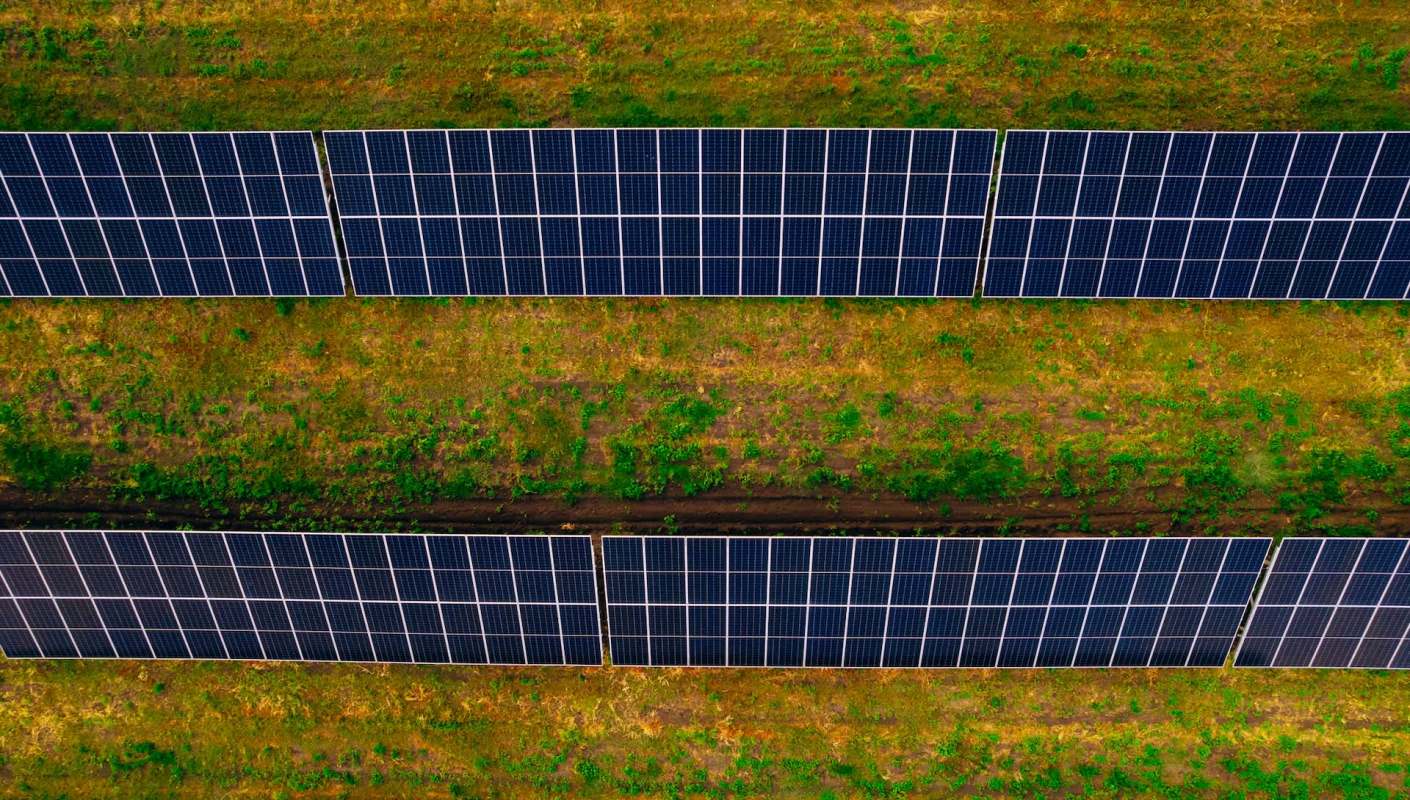
Scientists have discovered that agrivoltaics systems deployed in the Hobq Desert in China — which receives just over 12 inches of rainfall per year — can help soil flourish, even in such an arid climate.
As detailed in the study, which was published in Scientific Reports, researchers from the Institute of Desert Meteorology analyzed how three desert rejuvenation models would affect the physical, chemical, and microbial characteristics of soil.
They evaluated the effects of an integrated agrivoltaics model, an artificial shrub aerial seeding model — which uses artificial intelligence-powered drones to disperse seed pods in hard-to-reach places — and solar arrays without agricultural production.
Their research revealed astonishing results: The integrated photovoltaic-agriculture model (agrivoltaics) improved soil health, enhanced nutrient content, and boosted microbial activity much more than the other systems.
"The comprehensive soil quality index evaluation demonstrated that the SQI value under the PV-Ag model was 810-1,185 times higher than that of [shifting sand dunes], significantly exceeding the values under the ASS (2.5-3.9 times) and BS-PV (11.3 times) models," the team wrote.
Compared to the soil in shifting sand dunes, which has little organic matter, the soil quality under agrivoltaics systems had 390-550% higher nutrient density.
The microbial count, along with microbial biomass carbon and nitrogen, increased by more than 10-fold, and the shade provided by the solar panels created a more optimal microclimate than that of the artificial seeding and bare sand with solar models.
That's because agrivoltaics lowers soil temperature and reduces water evaporation to create a more stable moisture environment for plants. In turn, this enhances soil nutrients and improves moisture retention, which enables vegetation restoration. The panels also act as windbreaks, preventing shifting sand from burying plants and stabilizing dunes.
Researchers found that biodiversity was linked to soil richness, including nutrients such as nitrogen and potassium, suggesting that strategically placed agrivoltaics systems can help restore desert ecosystems, even in low-precipitation areas.
"The study demonstrates that the integrated photovoltaic-agriculture model can significantly improve desert soil quality and ecological function, offering an effective pathway for synergizing ecological restoration and renewable energy development in arid regions of the Hobq Desert," the team concluded.
TCD Picks » Quince Spotlight
💡These best-sellers from Quince deliver affordable, sustainable luxury for all




|
Are you able to install solar panels where you live? Click your choice to see results and speak your mind. |
 Yes 👍
Yes 👍 Using cropland and desert environments to produce both clean energy and food helps conserve resources and boost farmers' incomes — a win-win for people and the planet. Agrivoltaics also improves food security, which is especially important in a world with an ever-growing population. Limited access to healthy food is more common in deserts, and dual-use solar power offers a viable solution.
Agrivoltaics can address other pressing issues, too, including improving crop growth in rooftop gardens — a growing trend to combat food scarcity in urban environments — and enhancing soil health and vegetation when paired with "solar grazers" such as sheep and cows that fertilize soil and support land management.

Get TCD's free newsletters for easy tips to save more, waste less, and make smarter choices — and earn up to $5,000 toward clean upgrades in TCD's exclusive Rewards Club.
Cool Picks





