


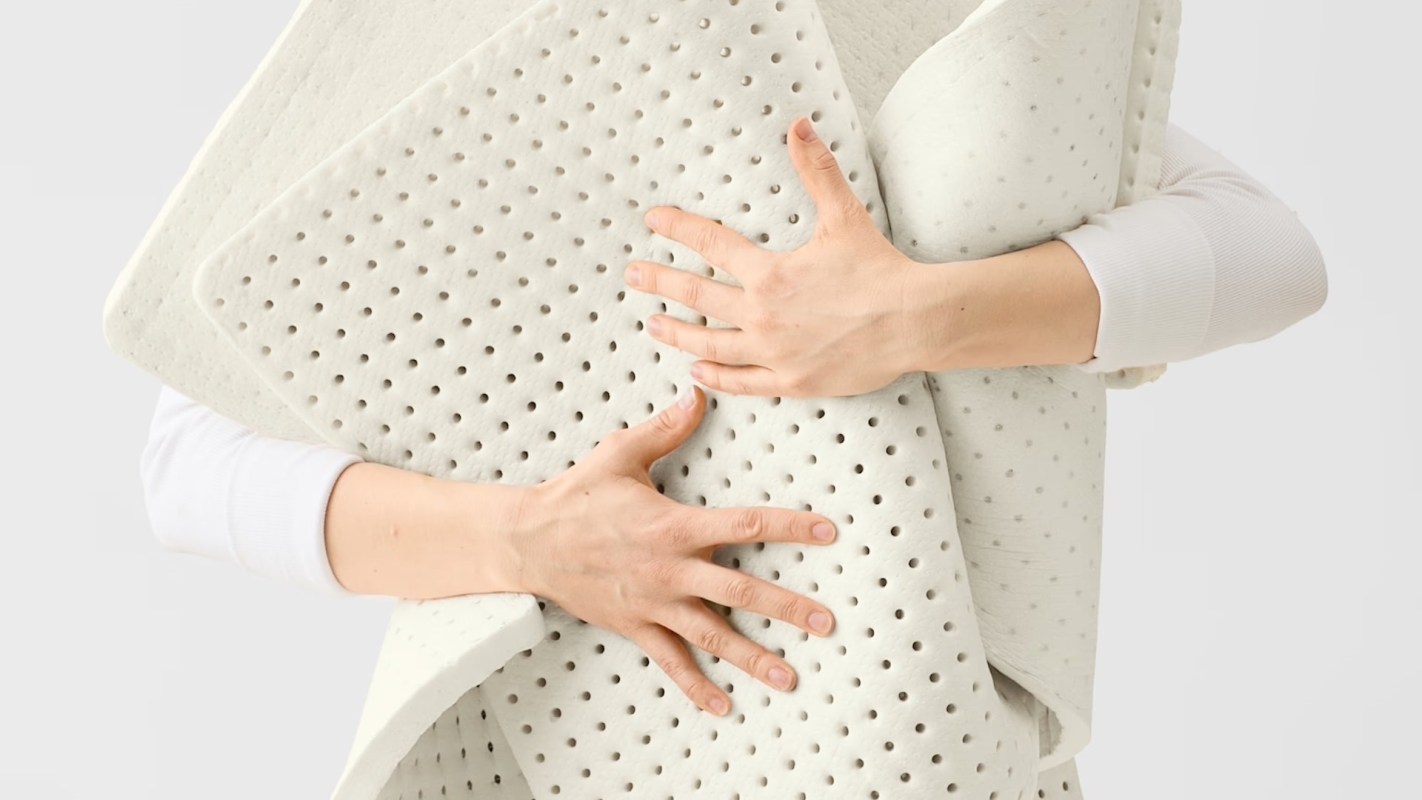
One startup has introduced a revolutionary new material that utilizes ocean resources, offering a potential alternative to non-biodegradable materials.
As designwanted reported, biotech startup Agoprene has developed a biodegradable biofoam made from seaweed and other biomasses as a sustainable alternative to petroleum-based foams.
These materials can be applied throughout various industries, primarily for furniture and packaging needs.
Based in Oslo, Norway, Agoprene is in the process of scaling up its production process to meet potential manufacturing demand.
With an eye on reducing the environmental impact associated with traditional foam production, the company's seaweed-based foam could go a long way toward reducing our reliance on dirty fuels.
In a 2023 interview with Wired, Agoprene CEO and founder Celine Sandberg revealed her inspiration behind the groundbreaking material.
"In the furniture industry, everyone knows that foam is bad for the environment and no one wants to use it, but there are no other alternatives," Sandberg said. "I want to supply [a more sustainable] alternative to what we have today, with no petrochemicals."
Most foams are primarily made of polyurethane, a synthetic material derived from petrochemicals.
The production and combustion of petrochemicals release significant amounts of carbon dioxide and methane, harmful gases that are major contributors to rising global temperatures.
Since most polyurethanes are not biodegradable, they can persist in the environment for centuries before breaking down into microplastics. These tiny plastic particles can leach into soil or be ingested by wildlife.
TCD Picks » Quince Spotlight
💡These best-sellers from Quince deliver affordable, sustainable luxury for all




|
Which of these factors would be your biggest motivator in buying eco-friendly furniture? Click your choice to see results and speak your mind. |
 Durable materials 💪
 Over time, microplastics can work their way through the food chain and reach the human population, posing potential health risks.
Sandberg said she wanted her startup to inspire others to continue developing sustainable alternatives to products derived from dirty fuels.
"In Scandinavia, there aren't many people working with bio-based materials, as it's so challenging," she told Wired. "I hope Agoprene can create a community of sorts, inspiring others to come together to tackle the problem. I want more people to do what we do."

💰Get TCD's free newsletters for easy tips to save more, waste less, and make smarter choices — and earn up to $5,000 toward clean upgrades in TCD's exclusive Rewards Club.
Cool Picks





