


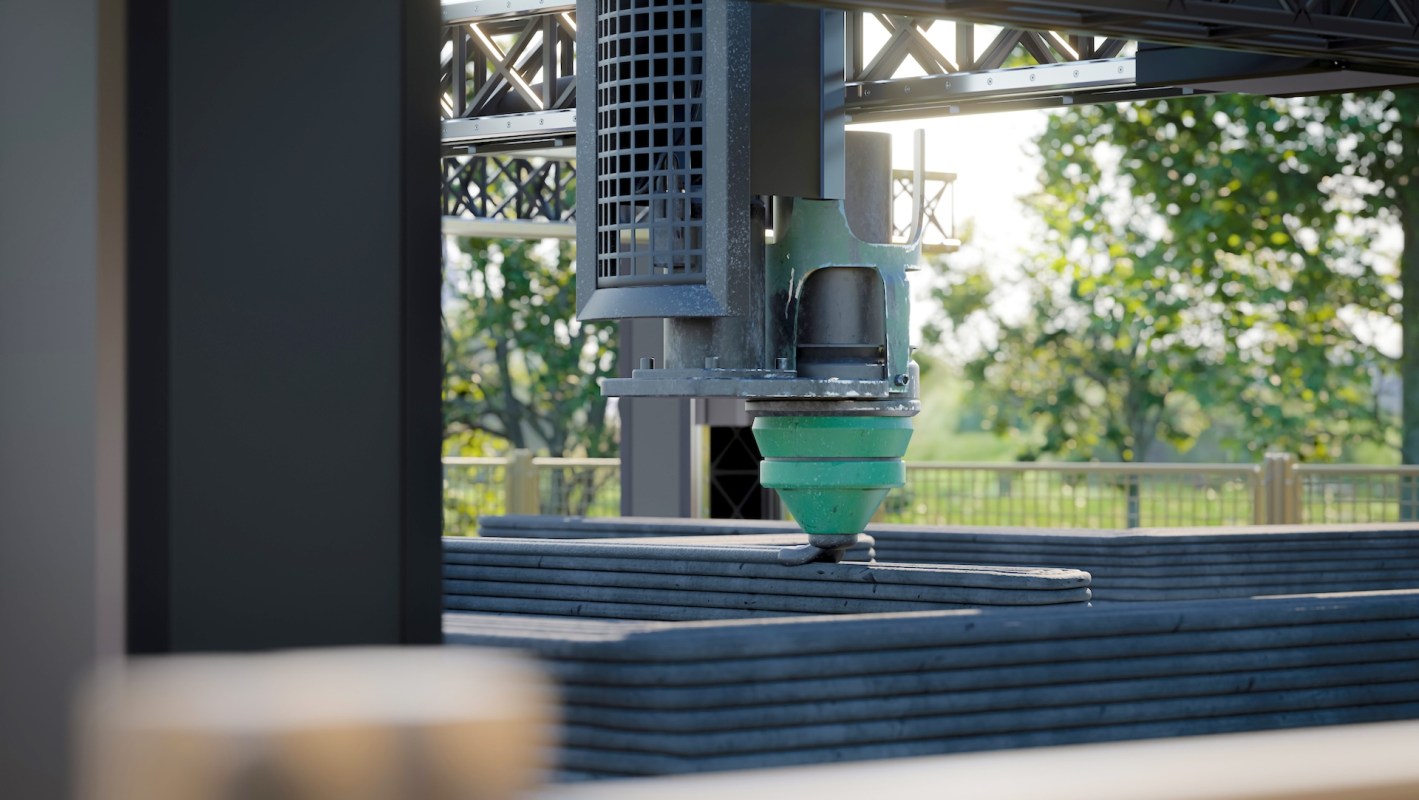
3D-printed homes can be built faster, cheaper, and with less waste than traditionally built homes. Plus, as the technology continues to progress, builders have more options around how to design these futuristic structures.
Homes can now be built with a variety of materials and with a variety of unique purposes, ranging from safety to sustainability.
1. Fire-resistant homes
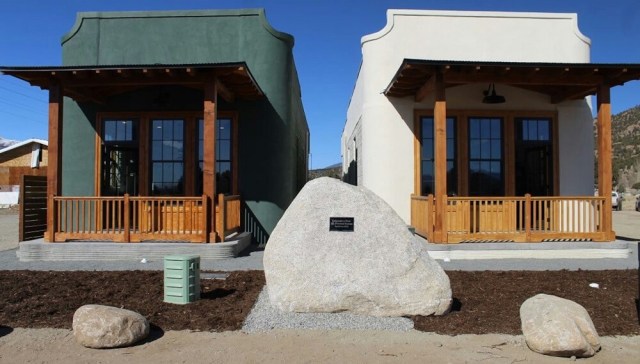
As wildfires increase in frequency and ferocity, having a fire-resistant home can give a homeowner peace of mind. These 3D-printed homes in Buena Vista, Colorado, are built with A1-rated concrete walls that offer the highest level of resistance to fire, and don't fuel combustion.
On top of that, the homes were printed in just 16 days. These homes also stand out among most because they're tiny homes, meaning they're more affordable to buy and save on utilities as well.
Read more →
2. Three times stronger than bricks
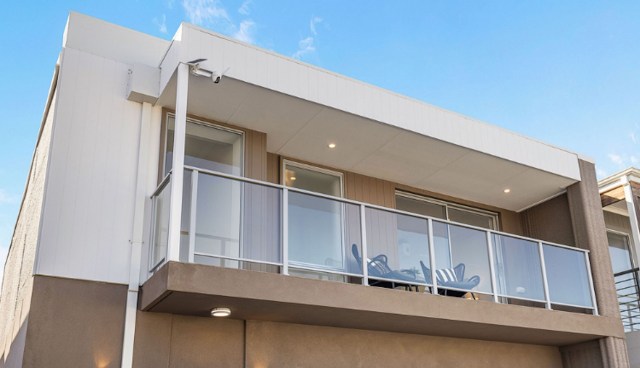
This 3D-printed home in Western Australia is unique for multiple reasons. First, it's a two-story home as opposed to most 3D-printed homes, which are generally only one story — at least for now — and it only took 18 and a half hours to print.
Beyond that, this home is ready to handle just about anything. The concrete sets quickly and reaches a strength of 50 megapascals, making it three times stronger than standard bricks. The walls are also cyclone-rated.
Read more →
TCD Picks » Quince Spotlight
💡These best-sellers from Quince deliver affordable, sustainable luxury for all




3. Built for the local climate
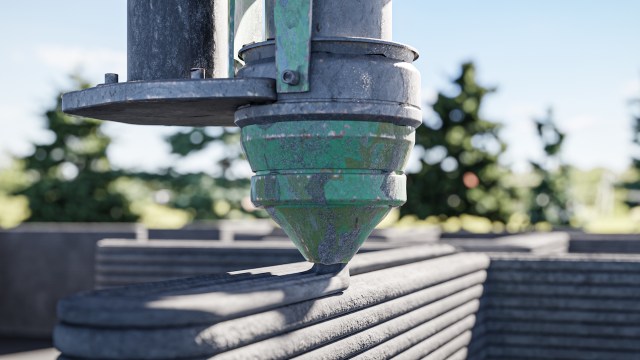
When building a home in the Arctic, you need to make certain considerations that a builder a few thousand miles down the coast in Southern California doesn't need to think about. This home in Nome, Alaska, is built specifically for the brutal arctic conditions.
It's equipped with an "arctic box" for easy water hookups, and the foundation is built six feet into the permafrost. Homes like this can also be built for much cheaper than the usual massive expense of building in remote locations like Nome.
Read more →
4. Locally sourced materials
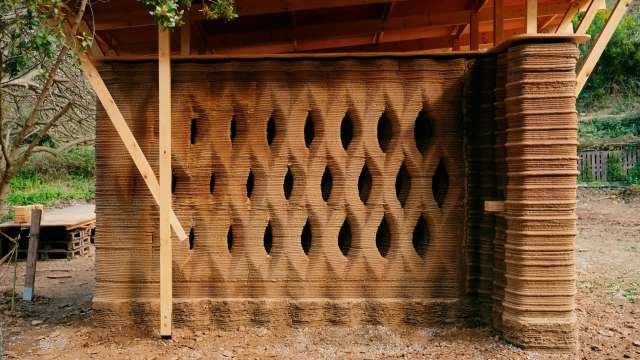
Builders in Spain were looking to construct a 3D-printed home while at the same time minimizing negative impact on the environment.
So, rather than using transported building materials, they used local soil mixed with organic fibers and enzymes to make the primary material for the structure, and it was completed in just seven weeks.
The finished structure offers natural insulation thanks to walls with air cavities, and the natural materials help to regulate humidity and improve ventilation.
Read more →
5. Wood waste and corn resin

Sawmills in Maine produce about 1 million tons of wood waste every year, so rather than letting all that go to waste, BioHome3D used it — mixed with corn resin — to build a sustainable and affordable 3D-printed house.
The 600-square-foot home only took a week to build, and already stood up to a brutal winter in Maine, where wind chill factors made it feel as cold as negative 45 degrees Fahrenheit. The materials only cost around $40,000, so this method could legitimately be used to build affordable housing.
Read more →

Get TCD's free newsletters for easy tips, smart advice, and a chance to earn $5,000 toward home upgrades. To see more stories like this one, change your Google preferences here.






