


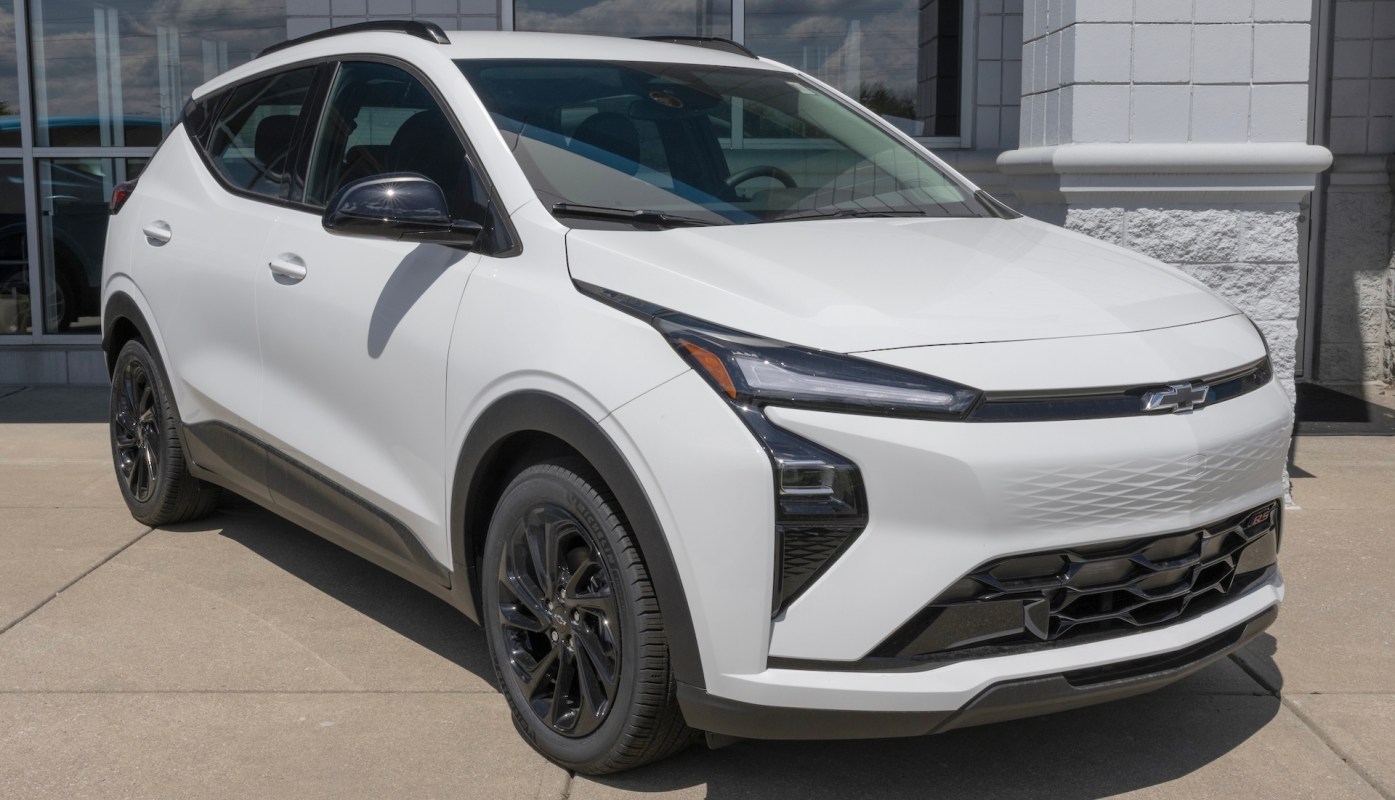
Shoppers looking for a low-cost electric vehicle straight from the dealer still do not have many choices, particularly if they want to avoid the uncertainties of buying used.
Against that backdrop, the 2027 Chevrolet Bolt enters with a $27,600 starting price before destination, a built-in NACS port, and a clear focus on day-to-day practicality.
What's happening?
After driving the 2027 Bolt RS in Vancouver, Autoblog reviewer Cole Attisha came away viewing it less as a total overhaul and more as a cleaned-up version of the old idea. His first-drive review says the small EV still shows its budget roots, but it is easier to live with than before.
Power comes from a single motor up front producing 210 horsepower, and the EPA-estimated driving range is 262 miles. The battery is LFP-based, and DC fast charging tops out at 150 kilowatts; Chevrolet says that allows a 10% to 80% charge in about 25 minutes.
Not every change will appeal to buyers: Apple CarPlay and Android Auto are gone, and the review said the touchscreen could still be sluggish while parts of the cabin felt cheap. At the same time, the Bolt gains newer displays, Google built-in, and available Super Cruise, though soft handling is still part of the experience.
Why does it matter?
For drivers considering buying an EV, the Bolt arrives in a part of the market that still feels surprisingly sparse: truly affordable new EVs. EVs can help drivers save money on fuel and lower routine maintenance costs, since they do not require oil changes and generally have fewer moving parts than gas-powered vehicles.
TCD Picks » Quince Spotlight
💡These best-sellers from Quince deliver affordable, sustainable luxury for all




It also helps that Chevrolet adopted NACS, the charging standard used by Tesla. Broader access to chargers can make road trips less stressful and everyday charging much simpler, especially for people who do not want to spend luxury-car money to switch to an EV.
More affordable EVs can help more households move away from gas-burning cars, reducing tailpipe pollution in the process. For drivers who do most of their charging at home, the savings can add up over time.
Charging an EV at home often costs less than using public chargers, though basic Level 1 charging tends to be slow. Qmerit provides free, instant installation estimates for faster Level 2 home charger installations.
What's being done?
Rather than chasing flashy performance, Chevrolet appears to be refining the Bolt around affordability and convenience. Quicker charging, the LFP battery, and access to more chargers matter more to everyday owners than headline-grabbing speed.
That kind of practical shift is becoming more visible across the EV industry.
Attisha summed it up by describing the Bolt as "a legitimately affordable EV trying to be more livable than ever before." He also wrote that it "isn't trying to glamorize EV ownership; it's trying to make EV ownership more realistic."

Get TCD's free newsletters for easy tips, smart advice, and a chance to earn $5,000 toward home upgrades. To see more stories like this one, change your Google preferences here.






