


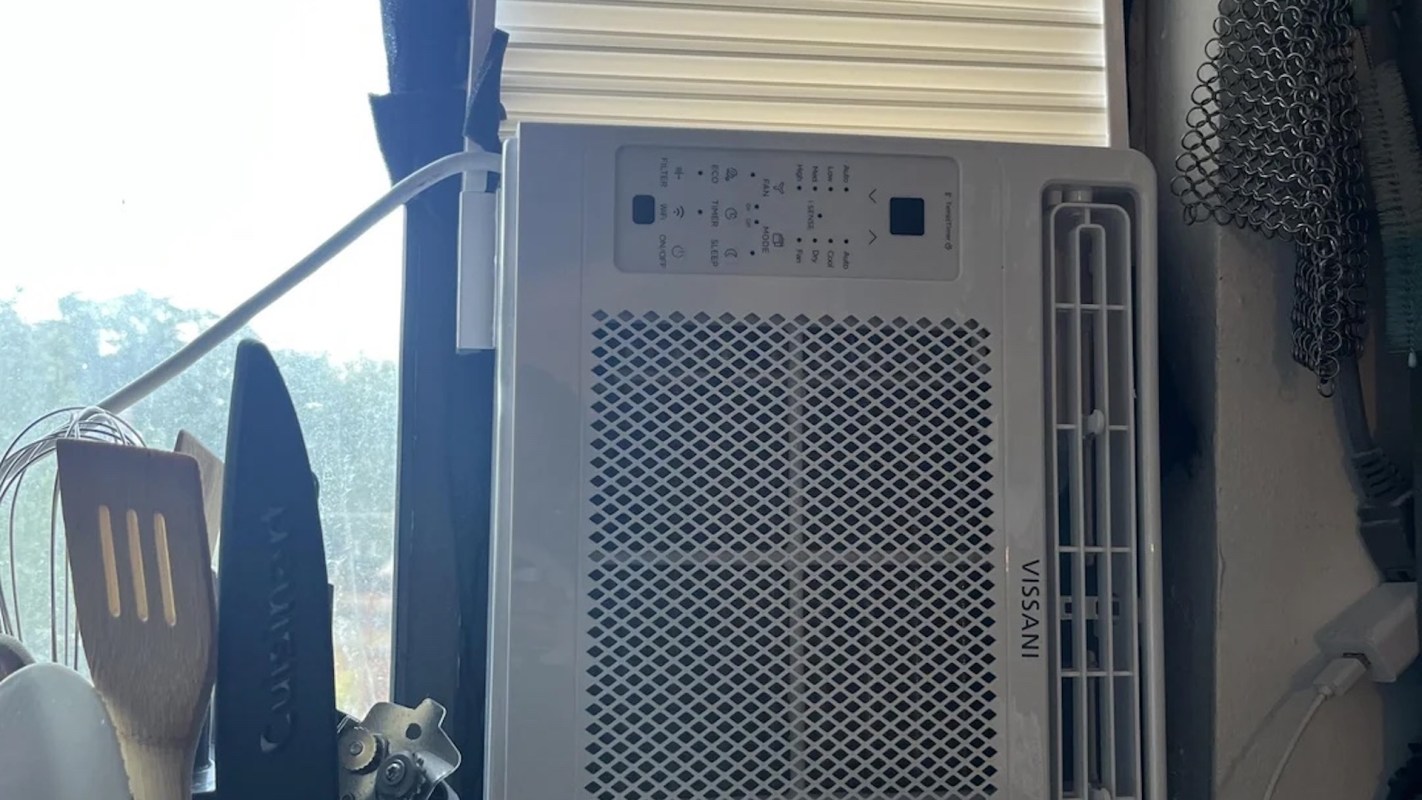
A renter trying to cool off during a hot stretch ended up with a new problem instead: a window air conditioner that appeared to have been installed sideways.
What should have been a routine maintenance visit quickly became a safety concern, leaving the tenant wondering whether the unit was even safe to turn on.
What happened?
In a post on Reddit, the renter wrote: "Hello! My landlord's maintenance guy installed our window AC unit sideways, which after Googling for 2 seconds I found out you should never do!" The tenant added that because "its really hot inside the apartment," they were trying to figure out whether the unit could be used at all while waiting for the landlord to respond after being told about the mistake.
Another maintenance visit was already planned within a few days to add a second AC in the bedroom, so the renter also wanted to know whether the first unit could be repaired and whether it was OK to leave it in place until then.
Window ACs are generally designed to sit upright in a window frame, not sideways. When they are installed incorrectly, performance, drainage, and internal components can all become concerns — especially when the unit is needed during very hot weather.
Why does it matter?
Access to safe cooling is not a luxury in the summer. If an air conditioner is installed incorrectly, it can fail to cool properly, waste electricity, leak water, or suffer damage that shortens its lifespan.
TCD Picks » Quince Spotlight
💡These best-sellers from Quince deliver affordable, sustainable luxury for all




That can leave tenants paying the price for a mistake they did not make. During a heat wave, even a few days without reliable cooling can affect sleep, comfort, productivity, and health — especially for children, older adults, and people with medical conditions.
Renters often have limited control over the systems and rules that shape their daily lives and utility bills. When tenants cannot install, repair, or even adjust the equipment in their own homes, small problems can quickly turn into expensive ones.
What can I do?
If you notice a major installation issue in a rental, one first step is to document it clearly with photos and written messages to the landlord or property manager. That creates a record in case the fix is delayed, or the problem gets worse.
Renters can also ask for confirmation that a trained professional — not just a general maintenance worker — will inspect or reinstall the unit. If a cooling issue becomes urgent during extreme heat, local tenant advocacy groups, city code offices, or housing agencies may be able to explain what options are available.
In the short term, people can improve indoor comfort with fans (if temperatures inside are less than 90 degrees Fahrenheit), closed blinds, and nighttime ventilation if outdoor conditions are cooler. If temperatures become dangerous, cooling centers and public libraries can also offer relief.
And if you're trying to work with a landlord or homeowners association to change outdated rules that make sustainable living harder, this HOA guide can help you understand how to push for bylaw updates.

Get TCD's free newsletters for easy tips, smart advice, and a chance to earn $5,000 toward home upgrades. To see more stories like this one, change your Google preferences here.






