


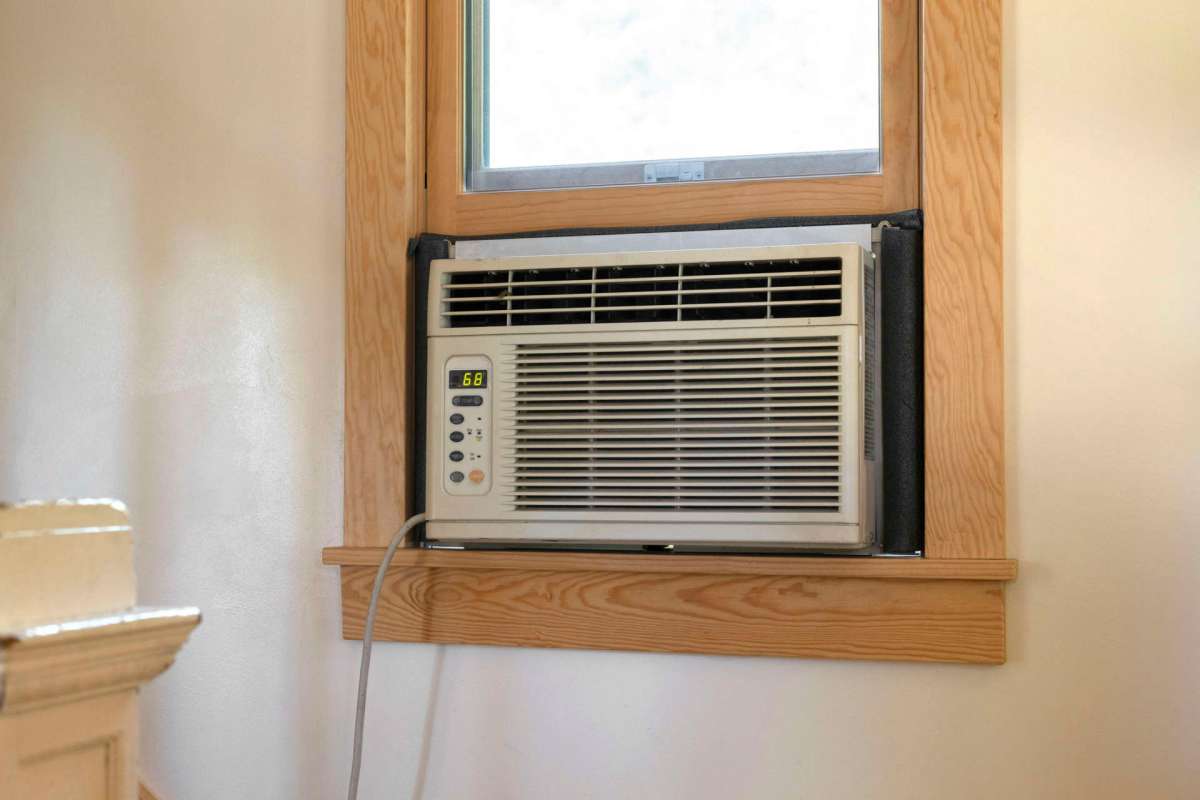
Using the timer on a window air conditioner does not always lower summer power bills. In some cases, it can leave the unit doing extra work later, raise indoor humidity, and end up costing more instead of less.
Here's what to know
Many newer window AC units use digital controls instead of older manual dials, including timers that can switch the system off and then turn it back on later. As Good Housekeeping reported, that feature is often promoted as a way to save energy.
The appeal is obvious. Someone can program the air conditioner to stop after they fall asleep, or keep it off while they are away and have it start up again later. But Dan DiClerico, who heads Good Housekeeping's Home Improvement & Outdoor Lab, said that strategy does not always work out.
If the room gets hot while the unit is off, the air conditioner has to make up for that lost cooling when it starts again. That harder cooldown can reduce the savings from those off-hours or cancel them out altogether.
In very hot weather, there is also a moisture issue. Turning the AC off can increase indoor humidity, making the room feel sticky and creating damp conditions where mold and mildew can grow.
More background
Cooling performance is not just about lowering the temperature, which is why a timer is not necessarily the simple energy-saving fix it seems to be. Air conditioners also help manage moisture indoors.
TCD Picks » Quince Spotlight
💡These best-sellers from Quince deliver affordable, sustainable luxury for all




If the air gets hotter and more humid while the unit is off, the space can still feel unpleasant even after the AC is turned back on.
Because of that, DiClerico pointed to another feature found on many newer models: Energy Saving Mode — also known as Eco Mode. That setting does not shut the system down completely; instead, it lets the compressor adjust more gradually based on room conditions.
Good Housekeeping reported that using that mode overnight or when the home is empty may cut electricity use by up to 30%.
What can be done?
A better move may be to skip the timer and use the unit's Energy Saving instead. That setting is meant to keep indoor conditions steadier, without the air conditioner repeatedly catching up after the room gets too warm.
For a day away from home, leaving the unit on Energy Saving Mode may be cheaper than turning it off entirely and then running it hard later. It still lowers power use, but it avoids as much of the rebound effect once the room heats up.
The same advice extends to longer absences. DiClerico recommends leaving the unit on its energy-saving setting at a higher temperature — around 80 to 85 degrees Fahrenheit — even during a weekend trip.
That approach can help with both comfort and cost by keeping the home cool and dry enough to limit excess moisture, while reducing the risk of returning to stale, damp air and a higher-than-expected utility bill.
For many households, steady, efficient cooling is a better deal than switching the AC off and on and counting on the timer to handle the rest.

Get TCD's free newsletters for easy tips, smart advice, and a chance to earn $5,000 toward home upgrades. To see more stories like this one, change your Google preferences here.






