


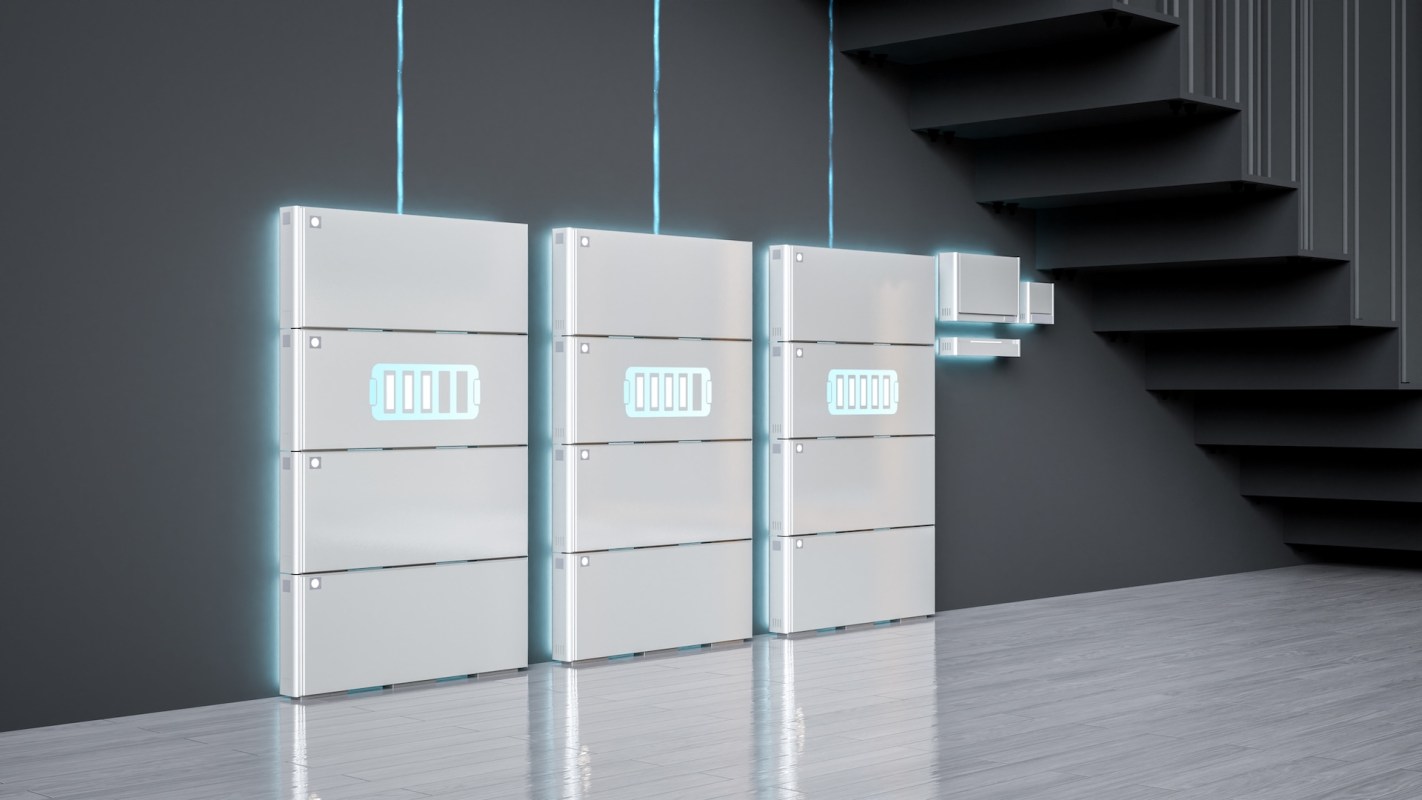
Whole-home battery backup is shedding its luxury label in Minnesota. For homeowners dealing with stronger storms, grid interruptions, and rising energy bills, newer battery systems are making it much easier to keep daily life running when the power goes out.
That shift could have major implications for comfort, safety, and even home value.
What's happening?
According to the National Association of Realtors, the arrival of modular lithium iron phosphate batteries has made whole-home backup systems cheaper and easier to adapt. In some cases, homeowners can install a smaller setup first instead of paying for a full-size system upfront, then expand it over time.
The Anker SOLIX E10 illustrates that shift. Priced from about $4,299, the system can grow as owners add modules. Each battery stores up to 30 kilowatt-hours, several units can be connected for more backup, and the switchover during an outage takes about 20 milliseconds. The system works with rooftop solar and can connect to Anker's tri-fuel Smart Generator.
NAR described a one-day installation at a home in the Twin Cities area of Minnesota that included two batteries, an inverter, a smart electrical panel, and a generator. There, the backup setup was programmed to support selected circuits — the furnace, sump pump, refrigerator, air conditioner, microwave, internet equipment, garage door opener, and several lights — for about 12 hours.
Homeowners interested in a setup who want to compare their options can explore EnergySage's free tools to get information about home battery storage options, including competitive installation estimates. EnergySage has teamed up with the electrification brand Qmerit to guarantee you get the best price on home battery storage solutions.
Another option is Pila, which offers excellent battery backup choices, including plug-and-play batteries priced at a fraction of what a whole-home backup system would cost.
Why does it matter?
Adding battery storage is one of the most effective ways to protect a home during outages, lower energy costs, and reduce dependence on the grid. For households with solar panels, a battery can also store electricity generated during the day for use overnight or during a blackout instead of relying entirely on utility power.
Save $10,000 on solar panels without even sharing your phone number Want to go solar but not sure who to trust? EnergySage has your back with free and transparent quotes from fully vetted providers in your area. To get started, just answer a few questions about your home — no phone number required. Within a day or two, EnergySage will email you the best options for your needs, and their expert advisers can help you compare quotes and pick a winner. Solar panels can save you more than $50k over their 25-year lifespan, and EnergySage can help you save as much as $10k on installation. Which begs the question — isn't that worth an email or two? |

Fast backup can keep food cold, basement pumps running, internet service online, and heating or cooling systems available when extreme weather strikes.
NAR cited industry figures showing that battery-equipped homes may bring higher sale prices and often sell more quickly than comparable properties without storage, particularly where outages are common, wildfire shutoffs occur, or electricity is expensive.
The modular approach can make the initial decision less daunting. Homeowners may be able to size a system around essential loads first, then increase storage later as budgets change or as household needs, electric vehicle charging, or solar output grow.
What can I do?
If you are considering battery backup, it helps to start by identifying the circuits you truly need during an outage. For many homes, that includes the furnace, sump pump, refrigerator, internet equipment, garage door opener, and a few lights and outlets.
NAR noted that shoppers should pay attention to terms such as priority loads, transfer time, usable storage capacity in kilowatt-hours, and whether solar is AC-coupled or DC-coupled. For a home that already includes battery storage, ask for the warranty paperwork, system documentation, and a precise list of the circuits the system covers.
NAR reported that lower prices and more installation choices are turning whole-home battery backup into a more practical piece of home infrastructure.

Get TCD's free newsletters for easy tips, smart advice, and a chance to earn $5,000 toward home upgrades. To see more stories like this one, change your Google preferences here.






