


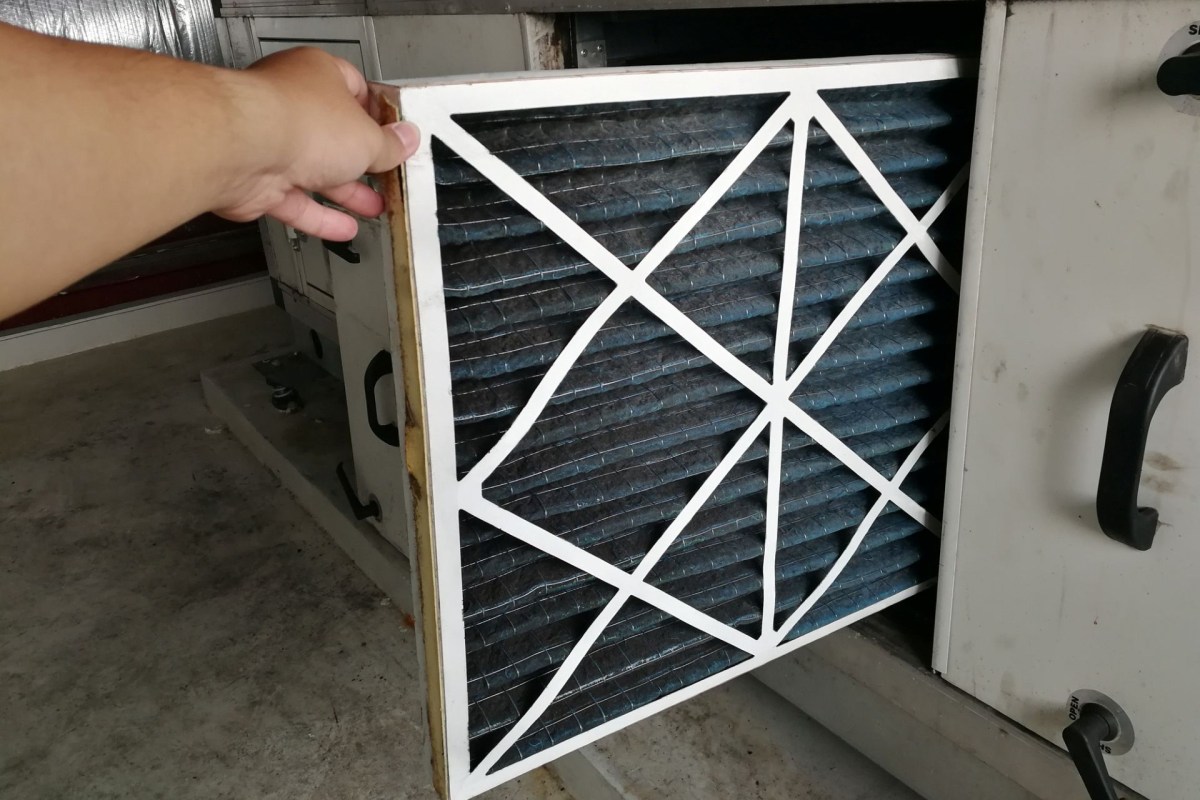
High summer heat and rising power prices are squeezing household finances, but cutting cooling costs does not always mean replacing an entire HVAC system.
What's happening?
With hot weather spreading across the country, many homeowners are trying to stay comfortable without sending their utility bills soaring, CBS News reported. Because air conditioning accounts for such a large share of summer energy use, even a modest increase in how long a system runs can quickly affect the monthly budget.
As CBS News reported, households can often lower those expenses through a handful of basic changes rather than one costly overhaul. Helpful steps include setting the thermostat a couple of degrees higher, replacing a dirty air filter, keeping up with regular maintenance, sealing air leaks, and closing blinds when the afternoon sun is at its strongest.
Another tool is the ceiling fan. It will not change the room's actual temperature, but it can make people feel cooler and make a slightly higher thermostat setting more comfortable.
Why does it matter?
Air conditioning is one of the biggest seasonal household expenses for many families. Small efficiency improvements can reduce how long an air conditioner runs each day, which can lead to lower monthly bills while also reducing wear and tear on the system.
Heat pumps are significantly more energy-efficient than traditional HVAC systems and provide both heating and cooling in one unit. Tax credits, rebates, and energy savings can help offset upfront costs, and EnergySage's Heat Pump Marketplace can help homeowners compare options.
There are lower-cost alternatives for smaller spaces as well. Merino offers single-room, ultra-efficient HVAC systems at a lower price point, giving homeowners a targeted heating and cooling option that can be installed in under an hour.
What can I do?
One of the simplest ways to use less energy is to raise the thermostat slightly, especially when no one is home. CBS News also recommended checking the air filter each month during heavy-use periods, since replacing a dirty one is one of the cheapest ways to improve airflow and efficiency.
Crushed by your bills? See instant solar savings from vetted installers in just a few clicks With energy prices through the roof, there's never been a better time to go solar — and EasyHome can help you find the best prices from the best installers in your area. EasyHome takes the guesswork and headaches out of energy upgrades by showing you estimated savings from a network of vetted local partners. To get started, just enter your ZIP and share a few details about your home — seeing your estimate is really that easy. |

Reducing heat from outside can help as well: Closing blinds on sunny windows, using blackout curtains, and sealing gaps around doors and windows can keep hot air out and cool air in. Other easy ways to reduce home energy waste include draft-proofing and smart-home upgrades that cut unnecessary energy use year-round.
When those smaller fixes are not enough, a professional inspection may uncover hidden efficiency problems and help determine whether a bigger upgrade makes financial sense. Homeowners looking to go even further can use EnergySage, which offers a free solar quotes comparison tool; with EnergySage's help, the average person can get nearly $10,000 in incentives for solar purchases and installations.
For households comparing cooling upgrades, EnergySage's Heat Pump Marketplace is another place to evaluate options to reduce energy use.
For many households, smarter thermostat settings, cleaner filters, better shading, and timely maintenance may be enough to lower bills now while helping extend the life of the equipment they already own.

Get TCD's free newsletters for easy tips, smart advice, and a chance to earn $5,000 toward home upgrades. To see more stories like this one, change your Google preferences here.






