


Florida's latest heat wave is arriving with temperatures that can make air conditioning feel less like a luxury and more like a necessity.
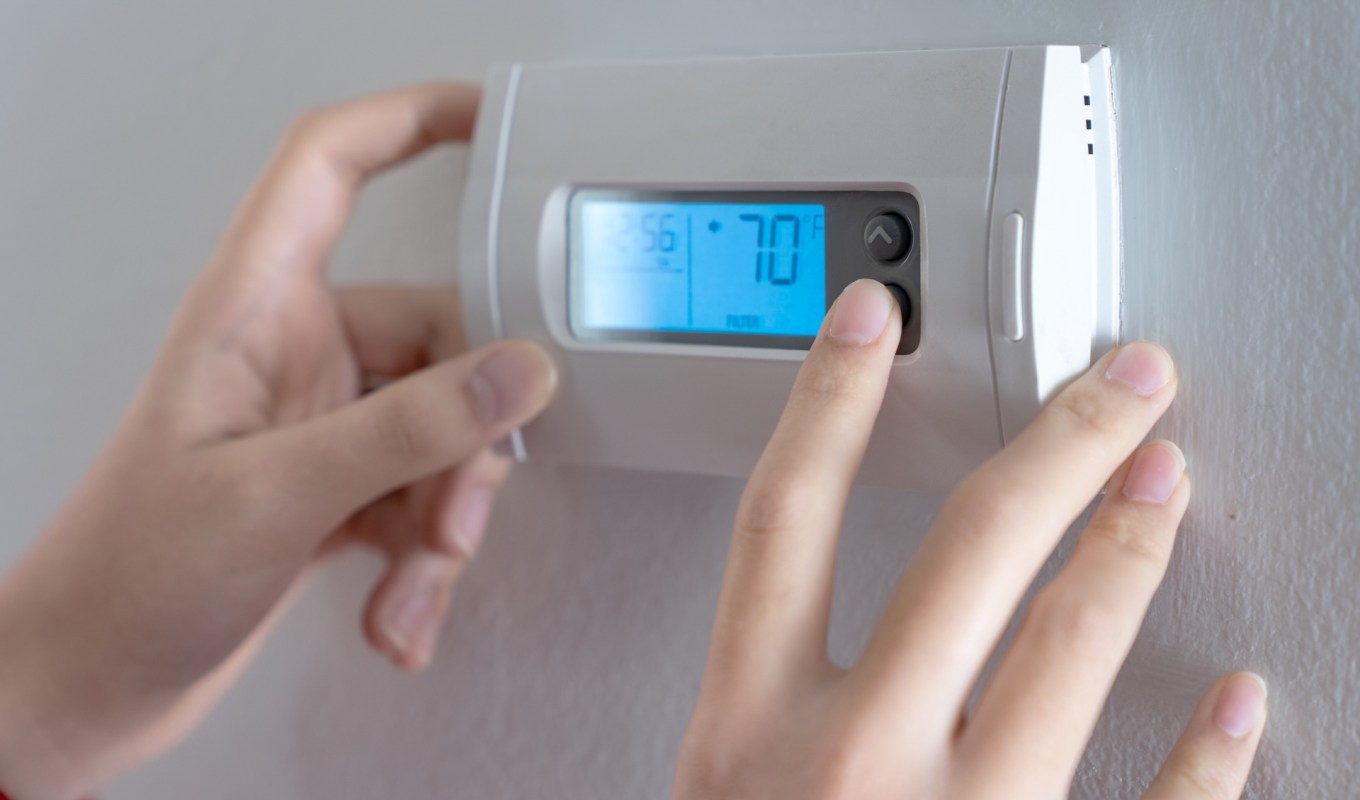
But even with heat indexes forecast to reach 108 degrees in parts of the state, one small thermostat adjustment could help keep electric bills from surging.
What's happening?
Florida is heading into a stretch of sweltering weather, with temperatures across the state in the 90s and heavy humidity pushing the heat index even higher.
The muggy pattern is expected to last into next week as a "heat dome" settles over large parts of the country, according to The Daytona Beach News-Journal.
At the same time, much of Florida is experiencing a drought. Per the U.S. Drought Monitor, as of June 23, 80% of the state was experiencing at least moderate drought conditions, and a fifth was in extreme drought.
This kind of prolonged heat often drives up cooling costs, especially as more people stay indoors and air conditioners run for longer periods.
TCD Picks » Quince Spotlight
💡These best-sellers from Quince deliver affordable, sustainable luxury for all




Utilities say there are a few simple ways homeowners can reduce the impact.
For stretches when you're asleep or out of the house, federal energy officials, as cited by the Daytona Beach News-Journal, say setting the thermostat about seven to 10 degrees higher for roughly eight hours a day can reduce annual heating and cooling costs by up to 10%.
But Florida Power & Light says even a small change, like raising the setting by just 1 degree, can lower cooling costs by as much as 5%.
It is important that you do not turn the system off completely, though. In Florida's hot, humid climate, that can backfire by forcing the air conditioner to work harder when it turns back on and making it more difficult to remove moisture from the home.
Why does it matter?
For many households, summer electricity bills are among the biggest seasonal strains on the budget. When a heat wave stretches on for several days, even small daily habits, such as using the oven at midday or running half-full loads of laundry, can start to add up.
Fans can help, too, but only when someone is actually in the room. Ceiling fans should rotate counterclockwise during the summer to push cool air downward, and they should be turned off in empty rooms.
Beyond household budgets, cutting unnecessary electricity use during extreme heat can also ease strain on the power grid, which is often at its peak.

Get TCD's free newsletters for easy tips, smart advice, and a chance to earn $5,000 toward home upgrades. To see more stories like this one, change your Google preferences here.






