


Amid dangerous heat waves in the United States, experts have said one of the cheapest cooling tricks may be something people overlook every day.
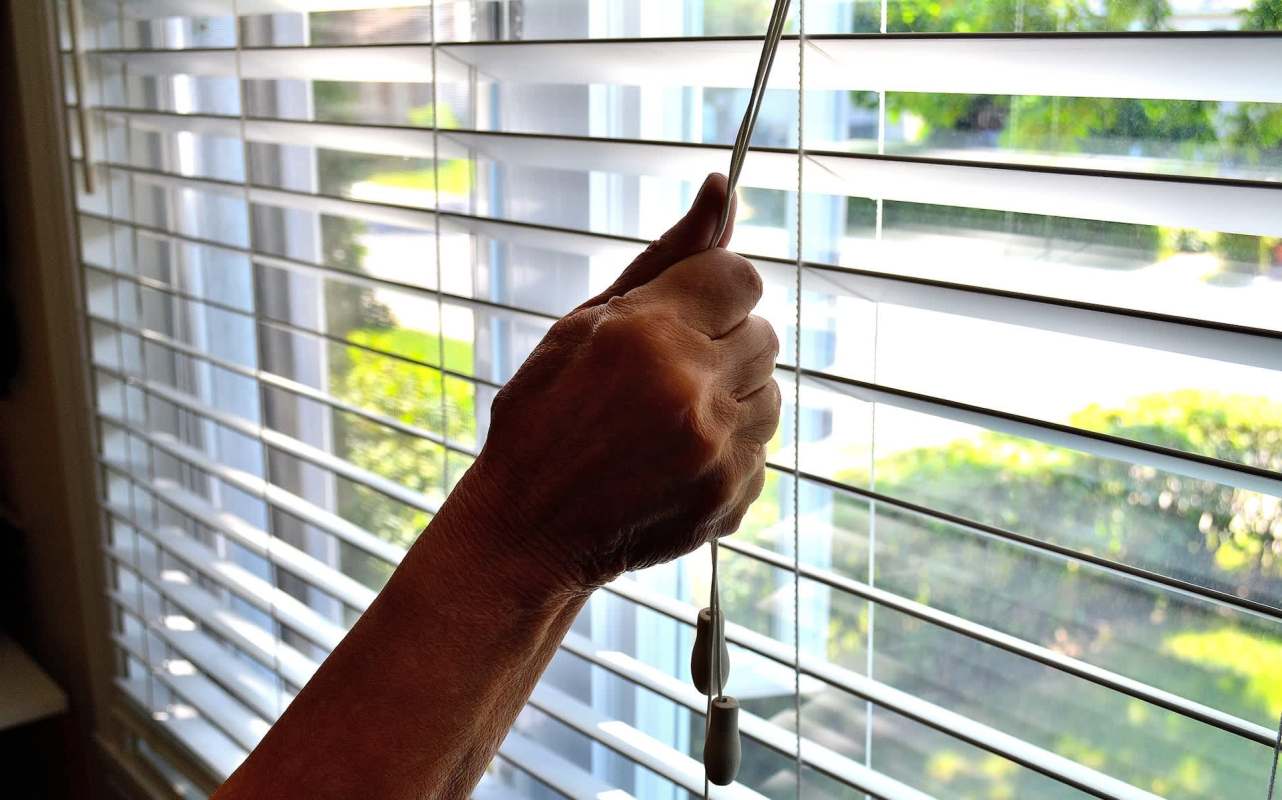
Before slamming the thermostat down to 65 degrees Fahrenheit, it may be smarter to start with closing your blinds.
What's happening?
Ahead of the long July 4 weekend, the U.S. Sun pointed to projected intense heat in the Midwest and toward the East Coast. Those high temperatures made it likely that air conditioners would run longer and power bills would climb accordingly.
However, experts told homeowners that there are a few simple ways to stay cooler without making their systems work overtime.
Crushed by your bills? See instant solar savings from vetted installers in just a few clicks With energy prices through the roof, there's never been a better time to go solar — and EasyHome can help you find the best prices from the best installers in your area. EasyHome takes the guesswork and headaches out of energy upgrades by showing you estimated savings from a network of vetted local partners. To get started, just enter your ZIP and share a few details about your home — seeing your estimate is really that easy. |

Martyn Fowler, founder of Elite Renewables, said, "The biggest free win is closing blinds or curtains before the room heats up."
He said that the step works best when it is done before indoor temperatures begin to rise. Think of how a cat often sits in a sunny patch in the house — it's not rocket science that the more sunlight that gets in the house, the warmer it makes the house. On the flip side, blinds — especially blackout ones designed for the purpose — help to keep the sun's heat from penetrating the exterior of the house.
Similarly, anything else that can provide shade from outside the home, like trees or an awning, can actually further reduce how hot the home gets on a sunny day.
"People often wait until a room already feels hot, but by then the heat is inside and the cooling system has to work harder to remove it," Fowler explained.
When it is cooler outdoors than indoors, Fowler recommended opening windows early or late in the day. He told the U.S. Sun that south- and west-facing windows deserve the most attention because they get the strongest late-day sun.
If you're looking for a long-term fix to reduce household bills, going solar is one of the best ways to save money on electricity costs, and EnergySage offers free tools to get quick solar installation estimates. Homeowners can also use EnergySage to compare quotes and see how much rooftop panels could reduce monthly fees.
Why does it matter?
Because it costs nothing, closing blinds can be an easy first step during a heat wave, while setting the thermostat too low can make an A/C work harder without cooling the house any faster.
Fowler told the U.S. Sun, "I'd keep the thermostat around 76 degrees Fahrenheit to 78 degrees Fahrenheit if the household can manage it."
More From EnergySage
💡Go deep on the latest news and trends shaping the residential solar landscape

He added that temperature range as "a good balance between comfort and not pushing the system too hard."
"The mistake I see all the time is people setting the thermostat to 65°F because they want the house to cool faster," Fowler said.
During the hottest stretch of summer, that habit can lead to higher electricity bills. For many households, the most practical savings may come from simple changes, such as blocking sunlight, keeping indoor temperatures steady, and resisting the urge to keep lowering the A/C.
What can I do?
Fowler also advised against constantly turning the cooling system off and on, saying a steady setting generally helps an A/C run more efficiently.
Dereck Granados, a licensed master HVACR technician and an HVACR instructor at Universal Technical Institute, told the publication, "My top recommendation: Don't ignore your air filter."
He added, "A clogged filter is one of the easiest ways to reduce airflow and make your A/C work harder during a heat wave."
Granados told the U.S. Sun that bumping the thermostat up a few degrees before leaving the house can be better than switching it off entirely. He also said replacing the filter monthly is "one of the simplest and least expensive ways to improve efficiency and help prevent unnecessary strain on the system."
EnergySage's free services can help make a bigger dent in long-term energy costs. The average person can save up to $10,000 on solar purchases and installations.
Tools like EnergySage's solar map show the average cost of a home solar panel system on a state-by-state basis, along with solar incentives in each state. Together, those resources can help users get the best price for rooftop solar panels and access available incentives.
Adding battery storage to a solar setup is also one of the best ways to protect your home during outages. Home batteries can keep key appliances running when the grid goes down while helping homeowners use more of the power their panels generate. EnergySage has free information about home battery storage options, including competitive installation estimates.

Get TCD's free newsletters for easy tips, smart advice, and a chance to earn $5,000 toward home upgrades. To see more stories like this one, change your Google preferences here.






