


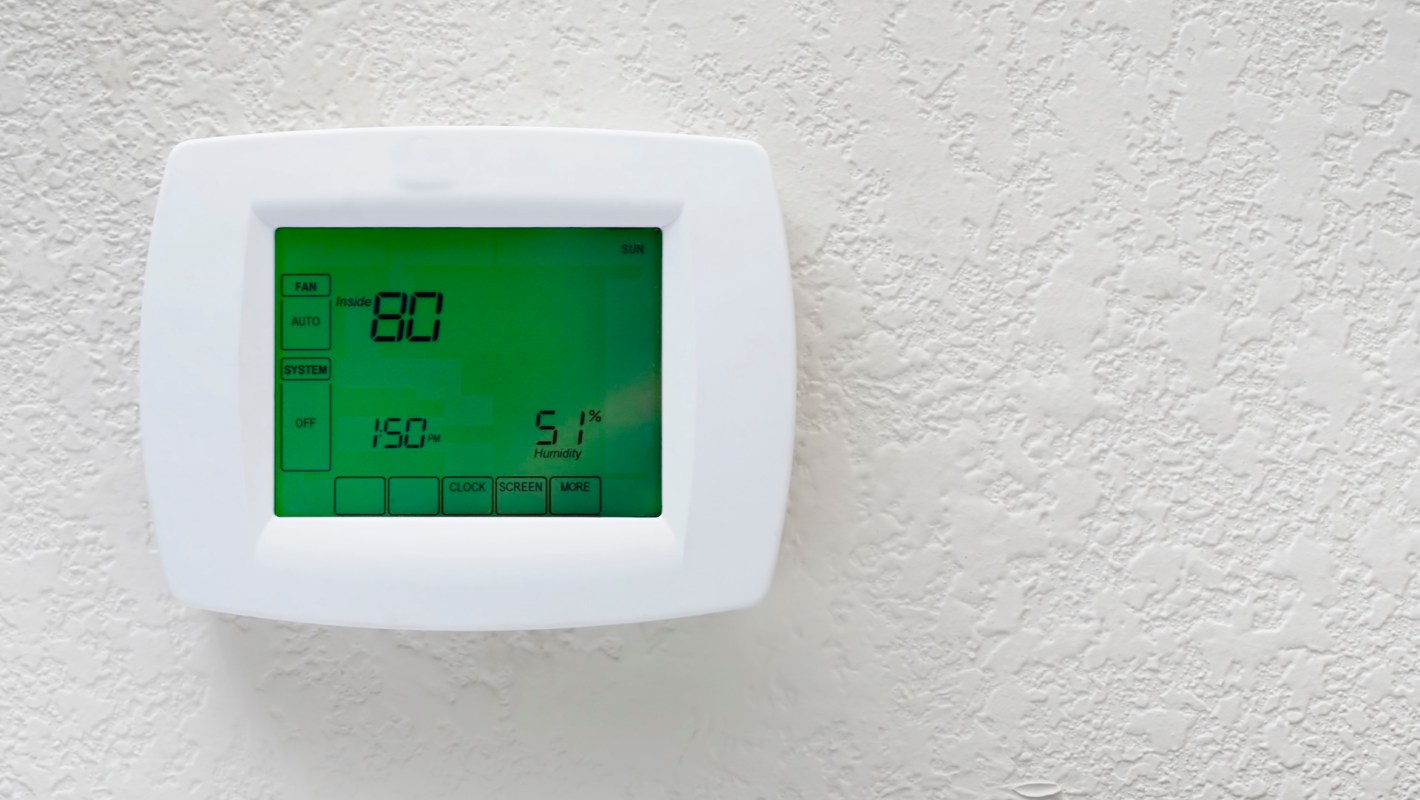
Summer electric bills can make even a simple thermostat setting feel like a high-stakes decision.
One homeowner took to Reddit for advice on keeping their property comfortably cool amid rising temperatures.
What's happening?
"[I] live in a two story townhouse, is it more economical and better to just set the AC to 69 F and leave it there, or is it more efficient to only turn on the AC after I get home from work, but house would be 75-80 F by that time?" the original poster said, echoing thoughts many renters and homeowners have had during a heat wave.
In most homes, leaving the system set at 69 F all day is usually the more expensive option. Air conditioners use energy to remove heat, and the bigger factor for your power bill is often how long the system has to fight outdoor heat, not simply whether it has to cool the house down later.
That means letting the temperature rise while you are away, then cooling the home when needed, is generally the more cost-effective move. A common rule of thumb is that raising the thermostat for several hours a day can reduce cooling costs, particularly during long, hot afternoons.
Heat pumps can make that equation even better. They are significantly more energy-efficient than traditional HVAC systems while providing both heating and cooling, and the financial upside can include tax credits, rebates, and savings on utility bills. Homeowners who want to compare options can use EnergySage's Heat Pump Marketplace to shop more efficiently.
For people dealing with one stubborn hot room, like an upstairs bedroom or office, Merino offers single-room, ultra-efficient HVAC systems at a lower price point. It is a targeted heating and cooling option.
Why does it matter?
In a two-story townhouse, upper floors often run hotter because heat rises, so blasting the system to hold 69 F all day can keep bills high without fully fixing uneven temperatures.
Save $10,000 on solar panels without even sharing your phone number Want to go solar but not sure who to trust? EnergySage has your back with free and transparent quotes from fully vetted providers in your area. To get started, just answer a few questions about your home — no phone number required. Within a day or two, EnergySage will email you the best options for your needs, and their expert advisers can help you compare quotes and pick a winner. Solar panels can save you more than $50k over their 25-year lifespan, and EnergySage can help you save as much as $10k on installation. Which begs the question — isn't that worth an email or two? |

Humidity matters too. Completely shutting the system off all day may not be ideal in every home, but setting it higher while you are away, rather than keeping it very cold, is often the middle ground that protects comfort and lowers energy use.
What can I do?
A practical strategy is to set the thermostat higher when the home is empty and lower it shortly before you get back. A programmable or smart thermostat can help you avoid coming home to an 80 F house while still trimming wasted cooling hours.
Many energy experts suggest aiming for a more moderate setting than 69 F, especially when no one is home. Ceiling fans, closed blinds, weather-stripping, and better attic insulation can also make a noticeable difference in a multistory home.
Homeowners looking for a bigger bill-cutting move can also use EnergySage, which offers a free solar quotes comparison tool. With EnergySage's help, homeowners can also access incentives for solar purchases and installations.
If replacing aging equipment is on the table, it is worth revisiting EnergySage's Heat Pump Marketplace, since a more efficient system can lower bills while improving both heating and cooling performance.
No matter what you choose to do, the answer in this situation is to cool more strategically.

Get TCD's free newsletters for easy tips, smart advice, and a chance to earn $5,000 toward home upgrades. To see more stories like this one, change your Google preferences here.






