


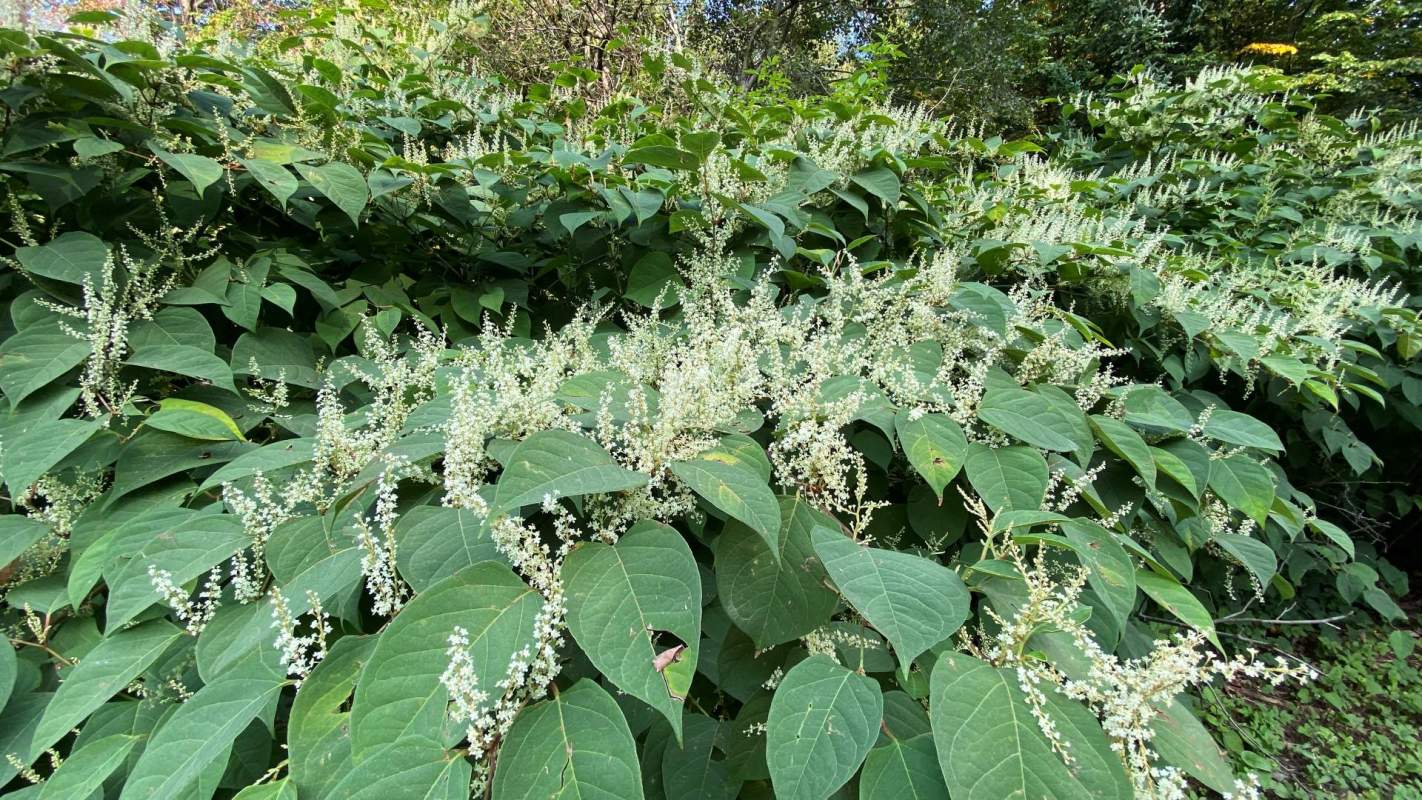
Invasive plant species can ravage your yard and the surrounding ecosystem.
But before you dispose of those pesky plants, take a look at what you're dealing with, as it might just be a tasty treat. (Note: Before eating, it's important that you're 100% certain in your identification.)
1. If it's good enough for a chef…
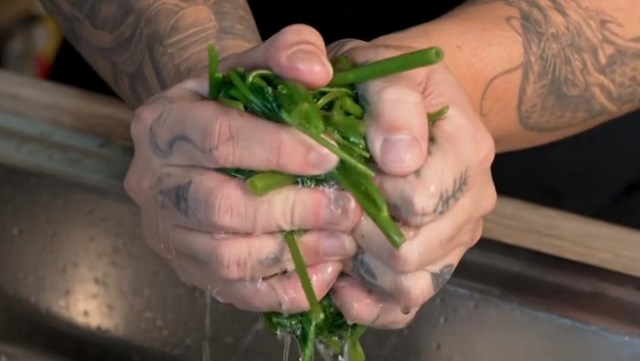
Water spinach is native to Southeast and East Asia but has been introduced to the United States and can wreak havoc on biodiversity. It may be stocked at your neighborhood Asian market, but why not grab those nutrient-rich leafy greens in the wild? It'll save you money and lend a hand to the local ecosystem.
It can be used in a variety of ways, but one chef was kind enough to share a quick and easy recipe on TikTok.
Read more →
2. Not your everyday backyard weeds
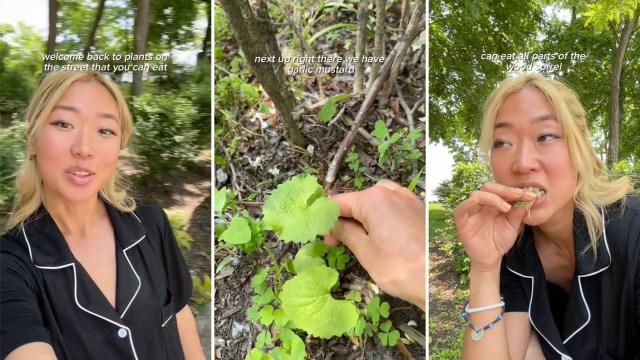
You could walk past edible plants every day and have no idea that they could spruce up any meal. In fact, this TikToker found four edible plants right next to each other in a park — and began eating right then and there.
You might want to take them home and clean them before chowing down, but this just goes to show how prevalent some of these plants are.
Read more →
3. It tastes like licorice

Invasive fennel doesn't grow everywhere, but where it does, it's aggressive, spreading quickly and forcing out native plants and vegetation. By picking and eating it, you can cut grocery bills and do everyone a favor at the same time.
This is another one that doesn't need to be cooked. Pick a tender stalk — not one that's too old — then peel it and eat it. It's got a sweet taste similar to that of licorice.
Read more →
4. Two uses in one species

Though this could be said about pretty much every invasive, it's really important to get to Japanese knotweed when it starts to grow. It doesn't taste as good after the leaves sprout.
You can just break it off at the base and eat it or bake it into a pie (try rhubarb).
TCD Picks » Quince Spotlight
💡These best-sellers from Quince deliver affordable, sustainable luxury for all




On top of that, the roots contain high levels of resveratrol, an ingredient in many anti-aging formulas, and can be used to make homemade serums.
Read more →
|
Which of these savings plans for rooftop solar panels would be most appealing for you?
Click your choice to see results and earn rewards to spend on home upgrades. |
 Save $1,000 this year 💸
Get TCD's free newsletters for easy tips to save more, waste less, and make smarter choices — and earn up to $5,000 toward clean upgrades in TCD's exclusive Rewards Club.
Cool Picks




