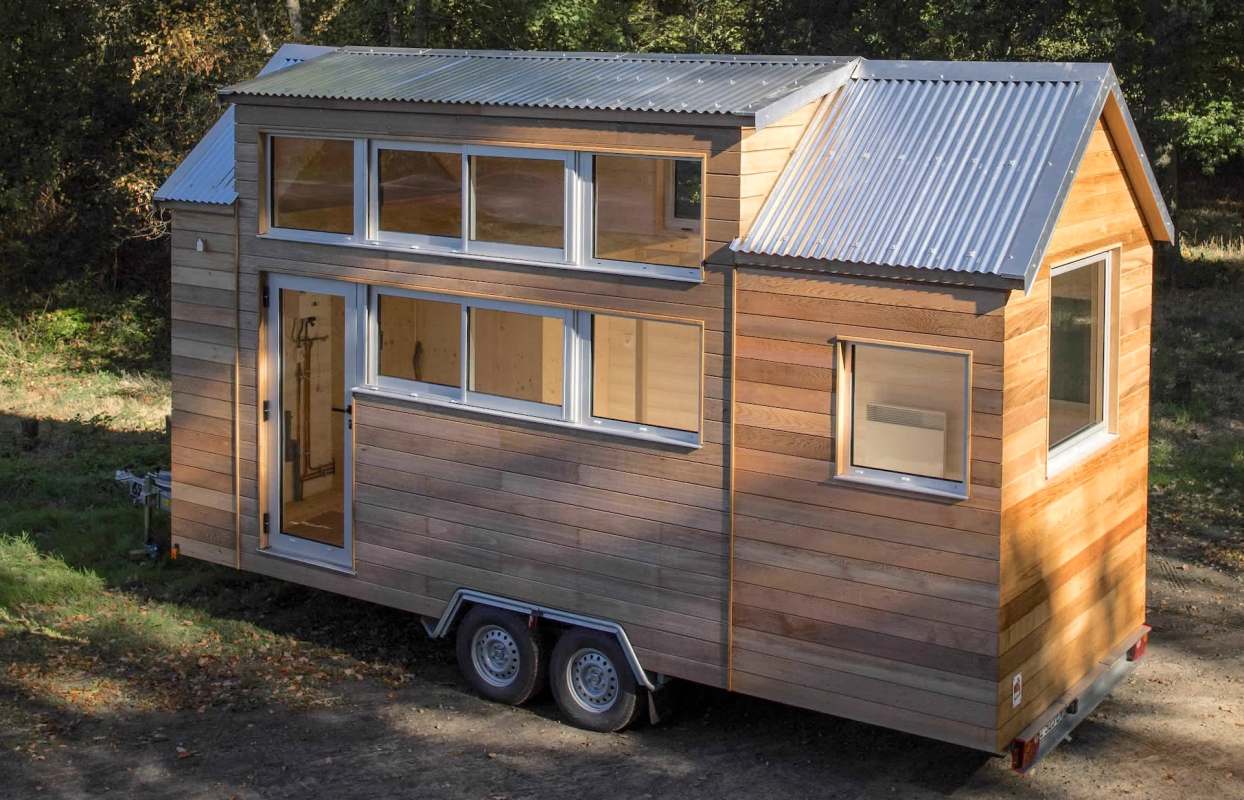
French builder La Tiny House has created a custom tiny home that offers a polished version of the dream for anyone trying to balance remote work, lower housing costs, and a simpler lifestyle.
What's happening?
The custom build pairs minimalist styling with practical everyday use and was designed for client Dorothée and her cat, though the layout could also suit more than one person.
Autoevolution noted how La Tiny House — the oldest tiny house builder in France — used pale wood finishes, large windows, and a muted palette to keep the interior bright. Even with a dedicated office nook, the layout still finds room for a full kitchen and ample storage in a way that makes the limited space feel peaceful, functional, and livable.
Why does it matter?
Tiny homes have become an increasingly popular alternative for people priced out of traditional housing or simply hoping to reduce monthly costs. A smaller home can mean lower utility bills, less upkeep, fewer furnishings to buy, and a more streamlined daily routine.
For remote workers in particular, a built-in office can make the concept feel far more realistic. One of the biggest challenges of living in a small space is fitting work life into a limited footprint without letting the entire home become an extension of the desk. A layout that separates work, rest, and cooking can make the lifestyle more sustainable over time.
Prospective buyers may still face serious barriers, including zoning laws, parking limitations, financing challenges, and the practical realities of downsizing, but many argue the trade-off is well worth the effort.
TCD Picks » Quince Spotlight
💡These best-sellers from Quince deliver affordable, sustainable luxury for all




What can I do?
For those looking to downsize or who are interested in tiny homes, there are all sorts of companies and models to choose from that can be customized to fit exactly what you need. Builders such as La Tiny House are making compact homes feel more livable for people who want mobility that does not feel restrictive and supports daily life at a fraction of the cost.
In many places, the largest obstacle is not the house itself but where it can legally sit and how it can be financed or insured. Insulation, ventilation, trailer specifications, utility hookups, and whether the layout can adapt over time are also considerations that affect full-time living.

Get TCD's free newsletters for easy tips, smart advice, and a chance to earn $5,000 toward home upgrades. To see more stories like this one, change your Google preferences here.