


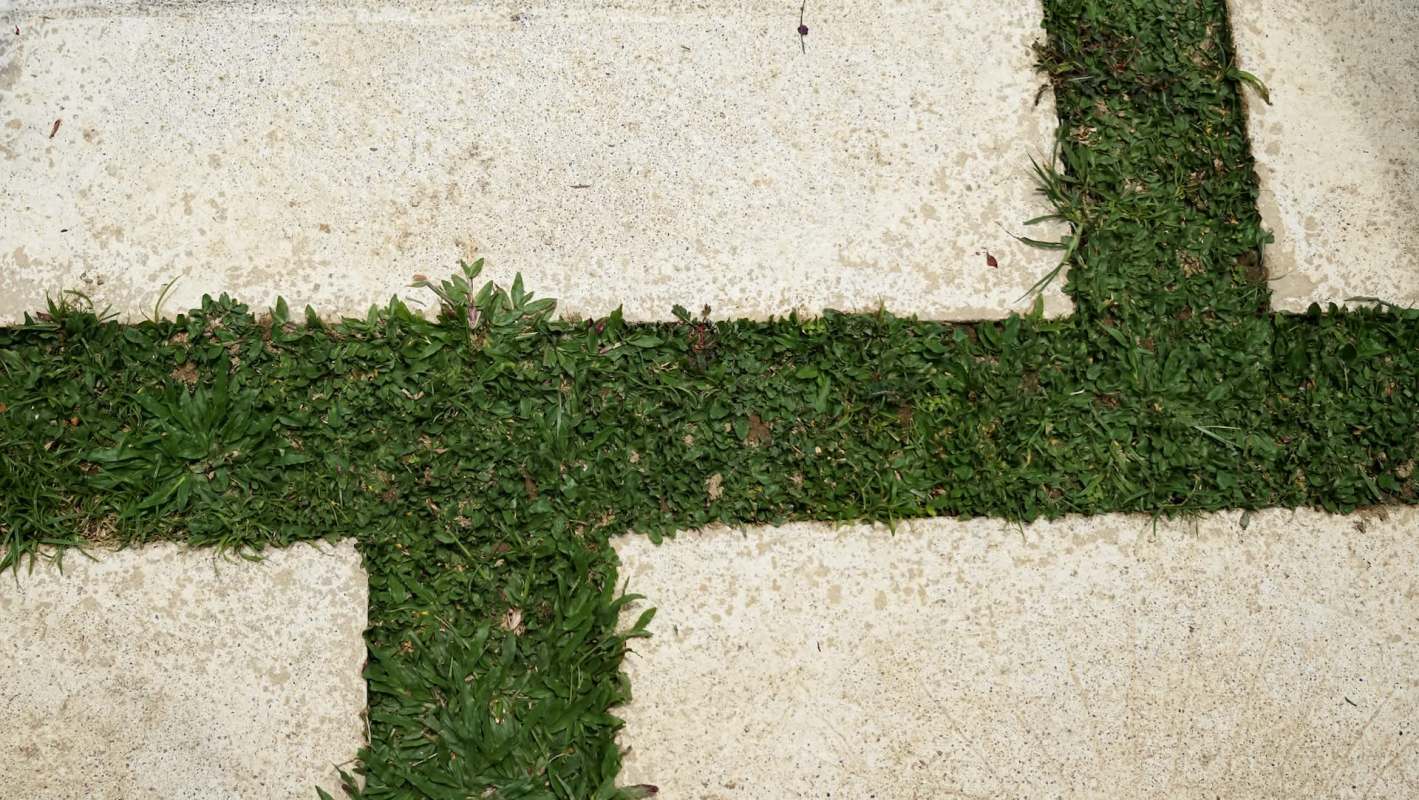
One new homeowner received a flurry of warnings after asking about the heat, drainage, and upkeep of artificial turf.
After moving into a home with too much concrete hardscaping, the original poster had considered using synthetic grass in their yard.
The respondents in the r/newzealand subreddit didn't hold back. From microplastics to toxic fumes to unbearable surface heat, readers gave the OP several reasons not to install the plastic lawn replacement.
"Nothing tackier," said one, while another remarked, "Plastic or lawn? Lawn."
After mowing natural grass, you still have useful green material to repurpose as fertilizer by leaving it on the ground, putting it in compost, or layering it in a mulch lasagna.
However, that old plastic turf — which, contrary to myth, doesn't last forever — will end up in a "future landfill [and] it's still going to get weeds eventually," as one commenter noted.
"I thought about going for a real lawn, but my past experience with muddy spots in winter — especially with dogs — makes me hesitant," the OP admitted.
As a dog owner, fake turf is especially undesirable, as the OP may eventually get hit with the smell of trapped pet urine and food spills.
However, a rain garden would be a perfect solution to collect that water, prevent flooding, and create an aesthetically pleasing pollinator haven.
Consequently, if the homeowner is in a hotter area, they can incorporate drought-resistant native plants in pots on top of the concrete, similar to xeriscaping.
TCD Picks » Quince Spotlight
💡These best-sellers from Quince deliver affordable, sustainable luxury for all




|
Would you be willing to let your yard grow wild? Click your choice to see results and speak your mind. |
 I already have 😎
 After expensive upfront costs, the OP will have a landscape of fake material that can leach "forever chemicals," neurotoxins, VOCs, and other carcinogenic chemicals, and shed microplastics.
In addition to the toxicity, danger increases during hot days when surface temperatures can reach 40 to 70 degrees Fahrenheit higher than grass, according to Safe Healthy Playing Fields.
Removing just some of the concrete to add soil, mulch, and some native seeds can transform the space. Even a partial natural lawn upgrade brings benefits that a comparable fake turf surface never could.
Unlike natural vegetation, artificial grass doesn't feed or house friendly creatures like pollinators, emit oxygen and cooling vapors, or soak up carbon.
Quality landscaping featuring native vegetation can increase home value by 5.5% to 14%, according to Realtor, and that's not to mention the money it can save on water bills and mowing maintenance.

💰Get TCD's free newsletters for easy tips to save more, waste less, and make smarter choices — and earn up to $5,000 toward clean upgrades in TCD's exclusive Rewards Club.
Cool Picks






