


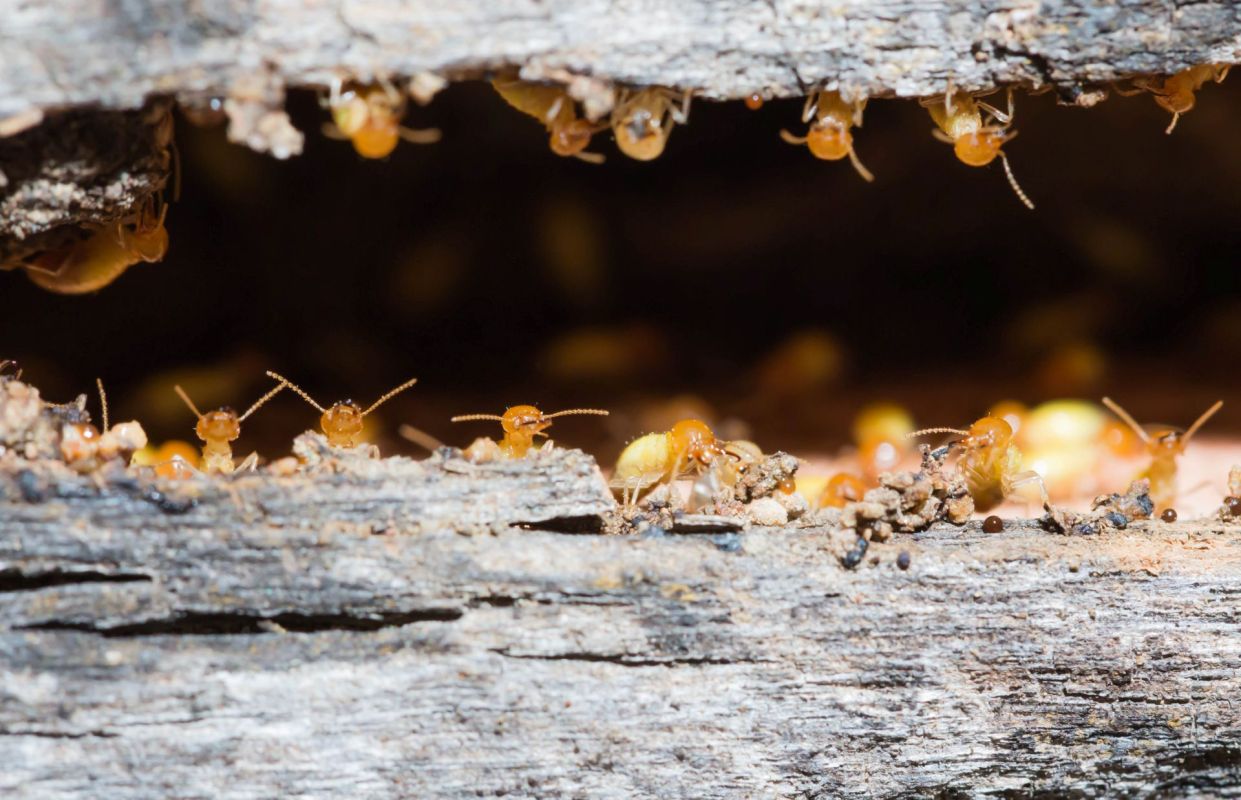
A Sydney pest inspector says a startling discovery beneath one home should serve as a warning to homeowners everywhere: termites can cause enormous damage long before anyone realizes they are there.
During an inspection of a home in Sydney's southwest, Afram Zetoun said he uncovered what he described as a "mother lode" of termites under the property.
Here's what to know
Video shared by Afram Zetoun of Termite Care Pest Control showed termites packed into a dark crawl space beneath the house, where a "massive nest" hung down from the structure, according to Yahoo News.
He said the find also raised concerns about nearby homes.
"That's the scary part, it probably wasn't just this house that was affected, but neighbouring properties as well," Zetoun told Yahoo News.
Zetoun said the first indicators are often easy to brush off, including moisture issues, damaged wood, doors or windows that start sticking, and unusual marks near walls and skirting boards.
TCD Picks » Quince Spotlight
💡These best-sellers from Quince deliver affordable, sustainable luxury for all




Across Australia, termites damage an estimated 130,000 to 180,000 homes each year, with annual losses exceeding $1.5 billion.
More background
Major termite problems can grow for a long time because the insects often stay out of sight.
Zetoun said the buildup beneath this home indicated an infestation that had been developing over an extended period.
"Given the extent of the activity and damage, it's likely the termites had been active for a considerable amount of time before discovery, potentially years," he said. "Termites work silently, which is why infestations can become significant before homeowners even realise they're there."
Zetoun said the final repair bill depends on what builders uncover during a full structural assessment, but the worst cases can reach into the tens of thousands of dollars. He has seen termites damage wall framing, floors, roof timbers, trims, skirting boards, and subfloor areas.
Many standard Australian home insurance policies do not cover termite damage or treatment costs.
What can be done?
Before damage spreads, it is worth having a professional check for issues such as damaged wood, sticking doors or windows, moisture problems, or unusual marks on walls or skirting boards.
Homeowners can also make their properties easier and cheaper to maintain by rethinking water-hungry landscaping. A native-plant lawn can save time and money on mowing and upkeep while reducing water bills. Options such as native plants, clover, buffalo grass, and xeriscaping can all reduce maintenance, and even a partial lawn replacement can bring meaningful benefits.
These swaps are not a substitute for termite treatment, but smarter landscaping can support better moisture management around a house. Homeowners interested in switching to a natural lawn or rewilding a yard can explore low-maintenance ideas that use less water and require fewer resources.
Regular inspections, prompt attention to moisture issues, and sensible property upkeep can make hidden damage easier to catch.
Because termites can go unnoticed, repair bills may be steep by the time they are discovered.
As Zetoun put it, "Major termite damage repairs can easily reach into the tens of thousands of dollars, depending on how extensive the damage is throughout the home."

Get TCD's free newsletters for easy tips, smart advice, and a chance to earn $5,000 toward home upgrades. To see more stories like this one, change your Google preferences here.







