


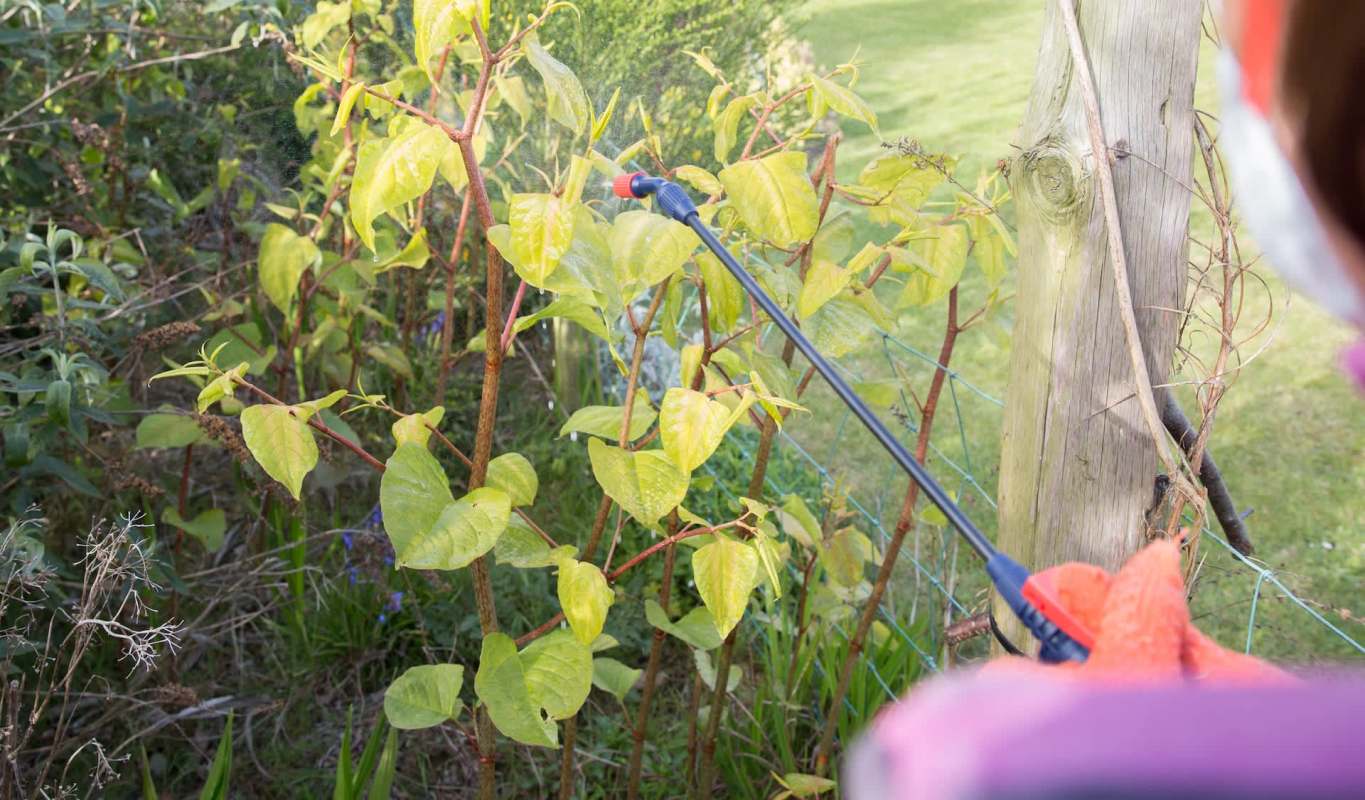
Fresh data on Japanese knotweed points to a persistent problem across a U.K. region, the Bury Mercury reported.
What's happening?
Figures from Environet's online tracker show 645 verified knotweed sightings across Suffolk. Ipswich accounts for 133 of them, ahead of Lowestoft with 56 and Stowmarket with 32.
Japanese knotweed was brought to Britain in the Victorian era as an ornamental import and later spread extensively, per Bury Mercury.
It does not reproduce by seed in the U.K., but it remains hard to control because underground rhizomes can extend up to 23 feet (seven meters), and even tiny root fragments can grow back into full plants.
"Japanese knotweed is now firmly established right across the country, which means homeowners everywhere should know what to look for," Environet's director, Emily Grant, told the outlet.
The organization estimates that knotweed affects roughly 7% of homes in the U.K., or more than 1.58 million properties.
TCD Picks » Quince Spotlight
💡These best-sellers from Quince deliver affordable, sustainable luxury for all




Why does it matter?
The plant can hit homeowners financially as well. The Bury Mercury noted that Environet says it may lower a property's value by about 5%, or around £13,500 (~$18,058) per home, while also making sales, renovations, and maintenance more complicated and expensive.
Its overall economic impact is also significant. Japanese knotweed is considered the U.K.'s second most costly invasive species, and CABI estimates annual knotweed-related costs at £246.5 million ($329.72 million).
Fast-spreading invasive plants can crowd out other vegetation and make it harder for local ecosystems to thrive.
More homeowners are rethinking traditional yards and looking for landscapes that work better with local conditions rather than against them.
Even when knotweed is handled separately, a more resilient yard design can still help homeowners save money and time.
What can I do?
People who live in a hotspot or are buying a home in one should make a habit of checking regularly.
"The earlier it's spotted, the easier and cheaper it is to deal with," Grant told Bury Mercury.
During the growing season, homeowners should watch for cane-like stems and bright green, shield-shaped leaves arranged in a zig-zag pattern. If something looks suspicious, getting expert advice early can help keep a smaller issue from becoming a larger and more expensive one.
For the rest of the yard, there are smart ways to reduce upkeep and build a healthier landscape. Replacing part of a conventional lawn with native plants, clover, buffalo grass, or xeriscaping can save time on mowing, lower water bills, and reduce maintenance spending.
Even a partial lawn replacement can deliver those benefits while making the space more supportive of local wildlife.

Get TCD's free newsletters for easy tips, smart advice, and a chance to earn $5,000 toward home upgrades. To see more stories like this one, change your Google preferences here.






