


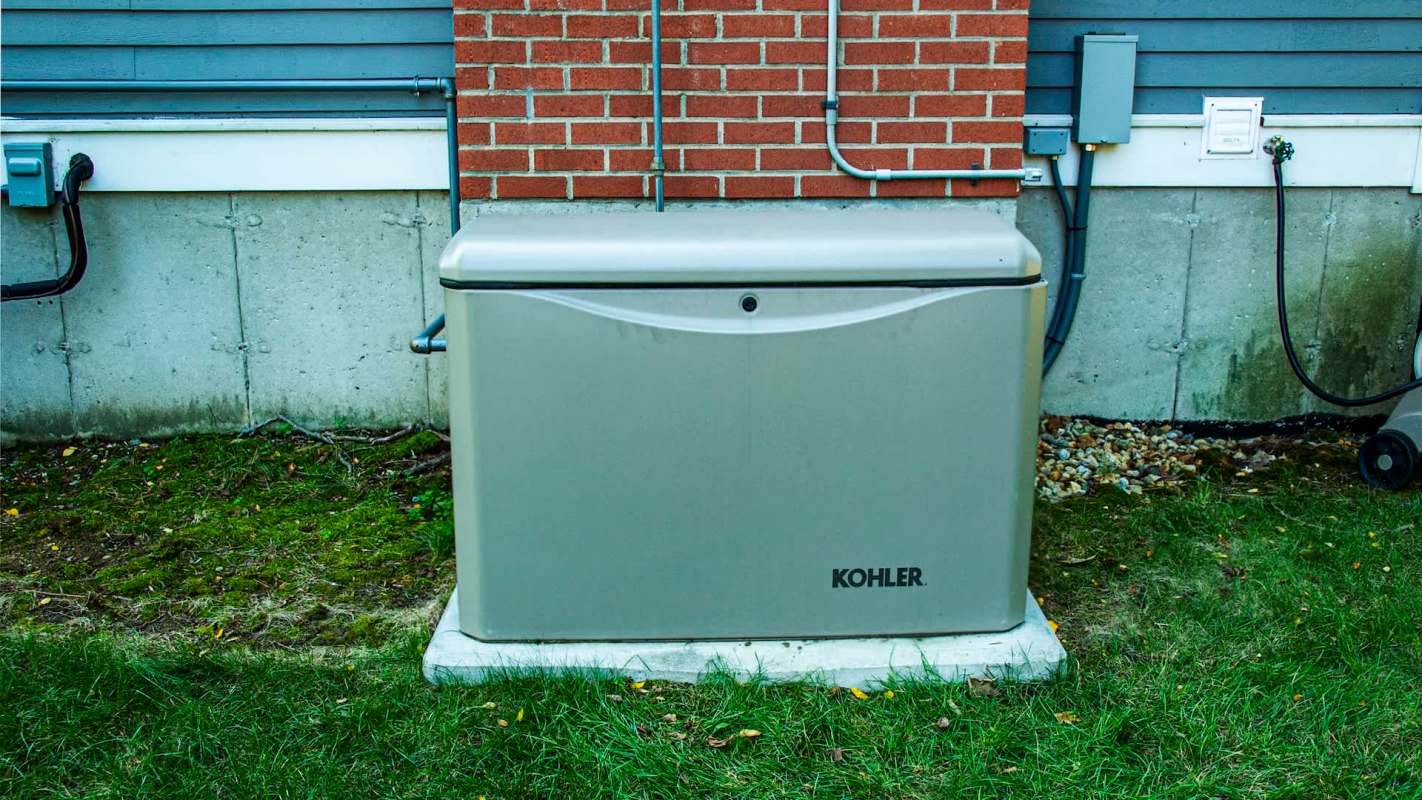
After a home went without electricity for three days, backup power stopped feeling optional and started looking necessary.
That experience set off an online discussion about choosing between two major standby generator brands for a family home.
What's happening?
After his mother started seriously considering a whole-home backup system after dealing with the multi-day blackout, one man took to Reddit's r/Generator community for advice.
He noted that now, "she's looking at a Generac 22kw unit powered by natural gas and a Kohler 20kw natural gas powered unit."
But he needed some help with the decision: "Is one unit better than the other? Anything she should watch out for before taking the plunge?"
Comments included a few people's preferences for one brand over the other without a firm consensus, other than a helpful idea to research which brand has the best servicing companies or technicians in the local area. In other words, similar to how it goes with cars and car dealers, if you're deciding between generator options, you may want to pick the one with closer or more affordable immediate support help.
TCD Picks » Quince Spotlight
💡These best-sellers from Quince deliver affordable, sustainable luxury for all




One commenter advocated for a portable tri-fuel unit instead. Generac and Kohler both make tri-fuel units that can operate on either natural gas, liquid propane, or gasoline and can be stored in a garage — though Kohler only offers this through tri-fuel conversion kits on some of its standard models.
"Depending on the circumstances, she might be better served by a tri-fuel portable if power outages are rare, and it is mainly only needed for prolonged outages," they wrote. "This would allow it to be stored in a garage or shed, rolled out only when needed for an extended outage, connect the natural gas via a quick connect hose, and plug a probably 50 amp extension cord into a generator transfer switch or transfer panel inlet."
The advice was useful because buyers often weigh several factors at once, including service availability, maintenance access, fuel supply, transfer-switch configuration, and whether the home truly needs whole-home coverage or only essential circuits.
Why does it matter?
For many households, a multi-day outage is more than an inconvenience. Refrigerators begin to warm, sump pumps stop running, internet access and phone charging become more difficult, and homes can become uncomfortable or even unsafe during extreme heat or cold.
That makes generator decisions highly personal and potentially expensive. And whole-home standby systems can cost far more than portable options, especially once installation, permits, gas-line work, and electrical upgrades are added.
If a system is oversized, homeowners may end up paying for capacity they rarely use. If it is undersized, they may still have to manage loads carefully during an outage.
It's critical to understand that reliability depends on more than brand reputation alone. A well-installed generator backed by dependable local service may be a better long-term investment than a model with stronger name recognition but weaker support in a specific area.
If you are comparing standby generators, it may help to start with a real load calculation instead of simply choosing the largest unit you can afford.
Discuss with an installer which appliances you want backed up, such as central air, well pumps, medical devices, or an electric range, and whether your gas meter and piping can support the generator you want.
It can also be useful to compare the practical details that matter before the unit is installed, including maintenance intervals, warranty terms, noise, exercise cycles, lead times for parts, and how quickly a local dealer can respond if the system fails.
For some households, a partial-home backup plan may make more sense than a whole-home generator.
Smaller systems, battery backup, or solar-plus-storage setups can cover essential needs while reducing fuel use, installation complexity, and overall cost.

Get TCD's free newsletters for easy tips, smart advice, and a chance to earn $5,000 toward home upgrades. To see more stories like this one, change your Google preferences here.






