


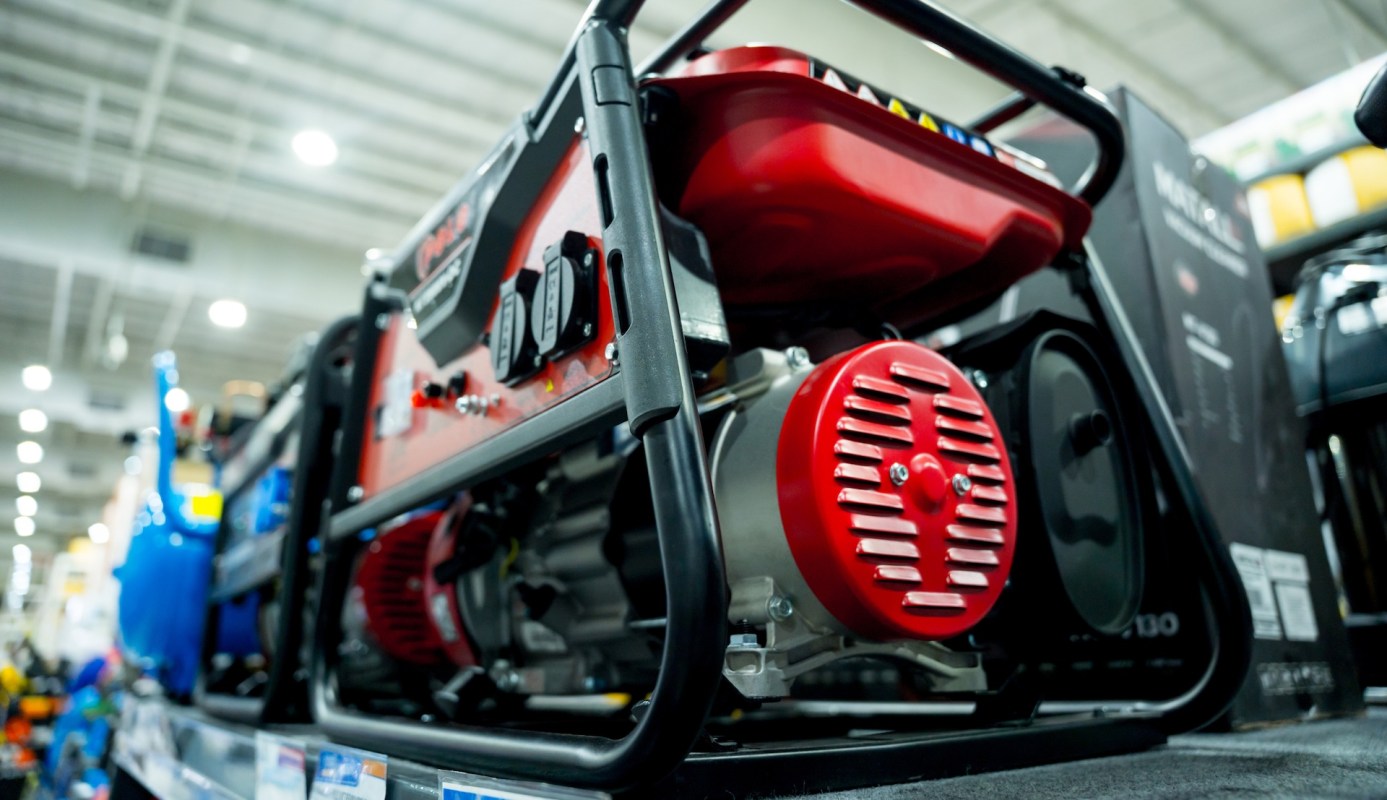
Power outages are prompting more families to seriously consider backup power, especially when young children, food storage, and extreme temperatures are part of the equation.
One parent turned to the internet for help after repeated blackouts left them trying to figure out what size generator could realistically keep their household running.
What's happening?
For this family, who shared their situation to Reddit's r/Generator community, frequent outages had reached the point where buying a generator felt necessary, with the poster saying they had "been losing power so much the last year."
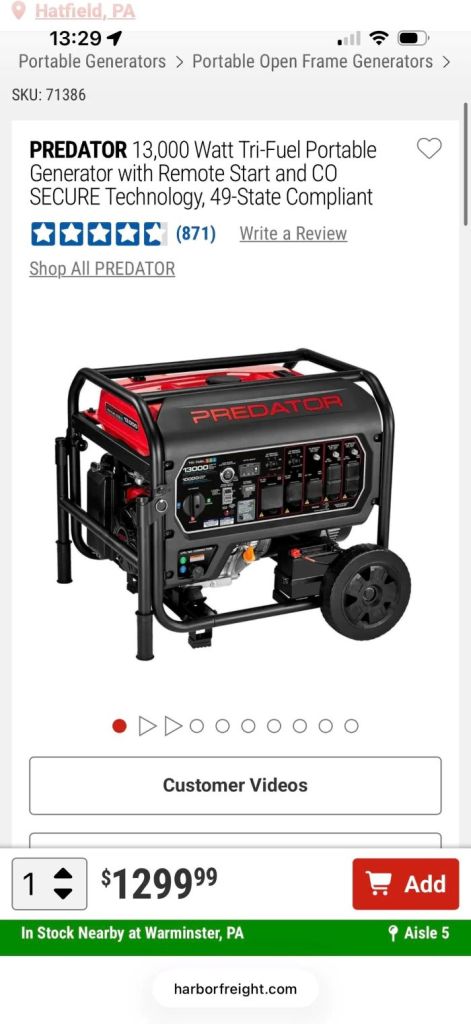
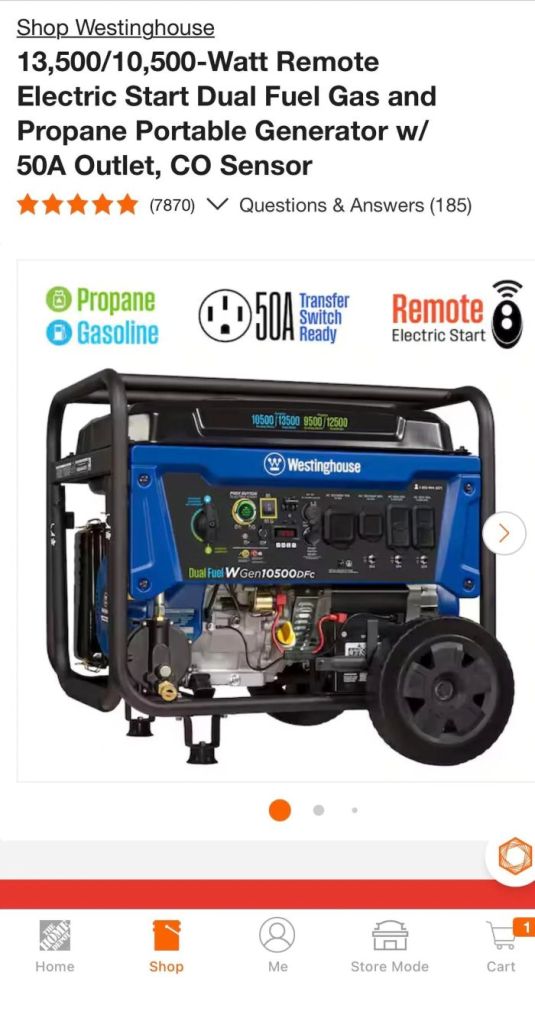
The original poster added that they were "curious which [generator] would be better in terms of ease of use, longevity, reliability, and being able to power our needs with a little extra if needed in future… Just need a little guidance."
The choice had been narrowed to two large portable generators: a Predator 13,000-watt tri-fuel model priced at $1,299 and a Westinghouse 13,500/10,500-watt dual-fuel unit listed at $899.
OP added that he was not looking to back up his entire home, but only needed to keep a few core items covered, including refrigerators, summer cooling for a newborn and a toddler, and winter heat in the children's rooms.
TCD Picks » Quince Spotlight
💡These best-sellers from Quince deliver affordable, sustainable luxury for all




But wattage numbers alone do not always make the choice straightforward for first-time buyers, as he explained: "I'm not sure what I should be looking for when looking for one."
Thankfully, the OP immediately received an influx of advice, suggestions, and considerations to include when making the purchase.
One commenter suggested, "If you have access to natural gas, or could potentially in the future, the Tri fuel is for sure the way to go. Gas service generally isn't interrupted during power outages if your municipality utility has been keeping up with the times."
Several others suggested going for a smaller generator, with one writing, "you could get by with a generator half that size." Another echoed this sentiment, adding "those are both very overkill for what you plan on powering."
Why does it matter?
For households with infants and toddlers, losing power can be more than a simple inconvenience. Refrigeration helps protect food and medicine, air conditioning can reduce dangerous heat exposure, and winter heating can be critical when temperatures drop.
Portable generators can provide an important lifeline during outages, but choosing the wrong one can create new challenges. A unit that is too small may fail to start critical appliances, while one that is larger than necessary can cost more upfront and use more fuel over time.
Safety should also be a major consideration. Generators must be operated outdoors and away from windows and doors to reduce the risk of carbon monoxide exposure.
Features such as remote start and CO shutoff sensors can make a meaningful difference for families relying on generators during stressful emergencies. But opting for a battery backup instead of a gas-powered system may be the safest option of all.

Get TCD's free newsletters for easy tips, smart advice, and a chance to earn $5,000 toward home upgrades. To see more stories like this one, change your Google preferences here.






