


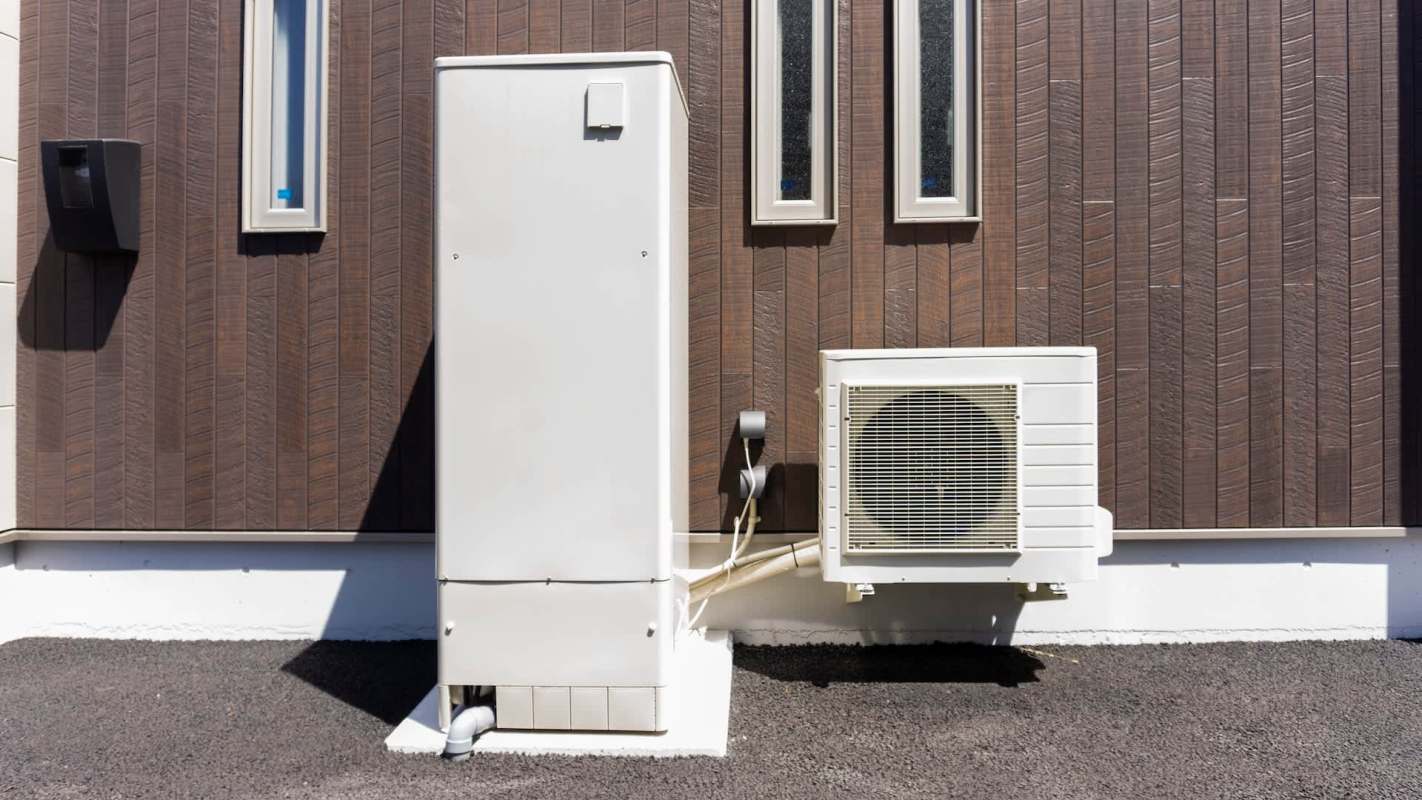
Activity in the U.S. market for split heat pump water heaters is picking up after a long stretch of scant choices.
Recent product launches, along with a closely watched industry contest, are pushing forward a format that could expand access to efficient hot water, according to CleanTechnica.
What's happening?
For households in apartments, condos, and manufactured homes, that shift could matter most because limited installation space often eliminates larger equipment.
Heat pump water heaters already offer households a relatively simple way to lower utility bills, since they move heat rather than generating it directly.
For many households, that can mean noticeably lower water-heating costs over time without requiring changes to family routines.
Interest is now centering on systems that separate the main components, CleanTechnica noted. Rather than combining the tank and compressor in one appliance, split designs separate them, giving installers more options.
Space is a major factor. CleanTechnica says conventional heat pump water heaters are often about 5 to 15 inches taller than other models and usually require roughly 450 to 700 cubic feet of surrounding air.
In smaller homes, where water heaters are often placed in narrow closets or utility areas, that extra room may not be available.
Save $10,000 on solar panels without even sharing your phone number Want to go solar but not sure who to trust? EnergySage has your back with free and transparent quotes from fully vetted providers in your area. To get started, just answer a few questions about your home — no phone number required. Within a day or two, EnergySage will email you the best options for your needs, and their expert advisers can help you compare quotes and pick a winner. Solar panels can save you more than $50k over their 25-year lifespan, and EnergySage can help you save as much as $10k on installation. Which begs the question — isn't that worth an email or two? |

The range of compact systems is also starting to grow.
The Northwest Energy Efficiency Alliance estimates more than 2 million homes each year could use compact heat pump water heaters if such models were widely available, per CleanTechnica.
Over the past year, Ecological and A. O. Smith have joined the long-standing SanCO₂ with U.S. split offerings, and the competition winner is expected to be named next month.
Why does it matter?
Whether an efficient appliance can fit where the old one sat often determines whether households install one.
If space is limited, people often end up replacing a failing water heater with whatever works fastest, even if that means locking in years of higher energy bills.
Separating the compressor from the tank can make heat pump water heaters workable in places that are difficult for one-piece units, including under sinks, in closets, or in compact utility rooms.
Consumer Reports placed the SanCO₂ at the top of its heat pump water heater rankings for efficiency and water-heating speed, but at around $5,300, it costs far more than many unitary heaters that come in under $2,000.
Since smaller homes are often more budget-sensitive, expanding access will depend not only on shrinking the equipment footprint but also on bringing prices down.
What's being done?
To fast-track development, the Northwest Energy Efficiency Alliance launched the Hot Water Innovation Prize, aimed at encouraging manufacturers to produce split heat pump water heaters that are both lower-cost and lower-profile for tight spaces.
Teams have already developed and tested prototypes, and judges are expected to declare a winner at the American Council for an Energy-Efficient Economy's summer study in August.
Affordability remains a barrier alongside size.
If manufacturers can deliver slimmer, competitively priced models, more families could access the lower bills and easier installation that heat pump water heaters promise.
Another sign of progress is the broader innovation happening around heat pump water heating, including innovations from Cala.
Its customizable smart heat pump water heaters help homeowners decrease their energy bills by heating water exactly when it's needed. That can slash wasted energy while still keeping hot water ready for showers, dishes, and laundry.
For households planning a replacement, smart options from Cala may offer another way to pair comfort with more control over monthly costs.
If the current wave of products and prize-driven innovation continues, more people may soon be able to choose efficient hot water systems without remodeling their homes.
That would make one of the easiest home energy upgrades available to many more households, not just those with roomy garages or basements.

Get TCD's free newsletters for easy tips, smart advice, and a chance to earn $5,000 toward home upgrades. To see more stories like this one, change your Google preferences here.






