


June may seem late to start sowing, but one gardening expert says it is actually one of the smartest times to keep a vegetable patch productive.
Instead of waiting for one crop to be fully finished, the strategy is to overlap plantings so beds, borders, and even balcony containers don't sit unused to extend harvests into autumn and winter.
What's happening?
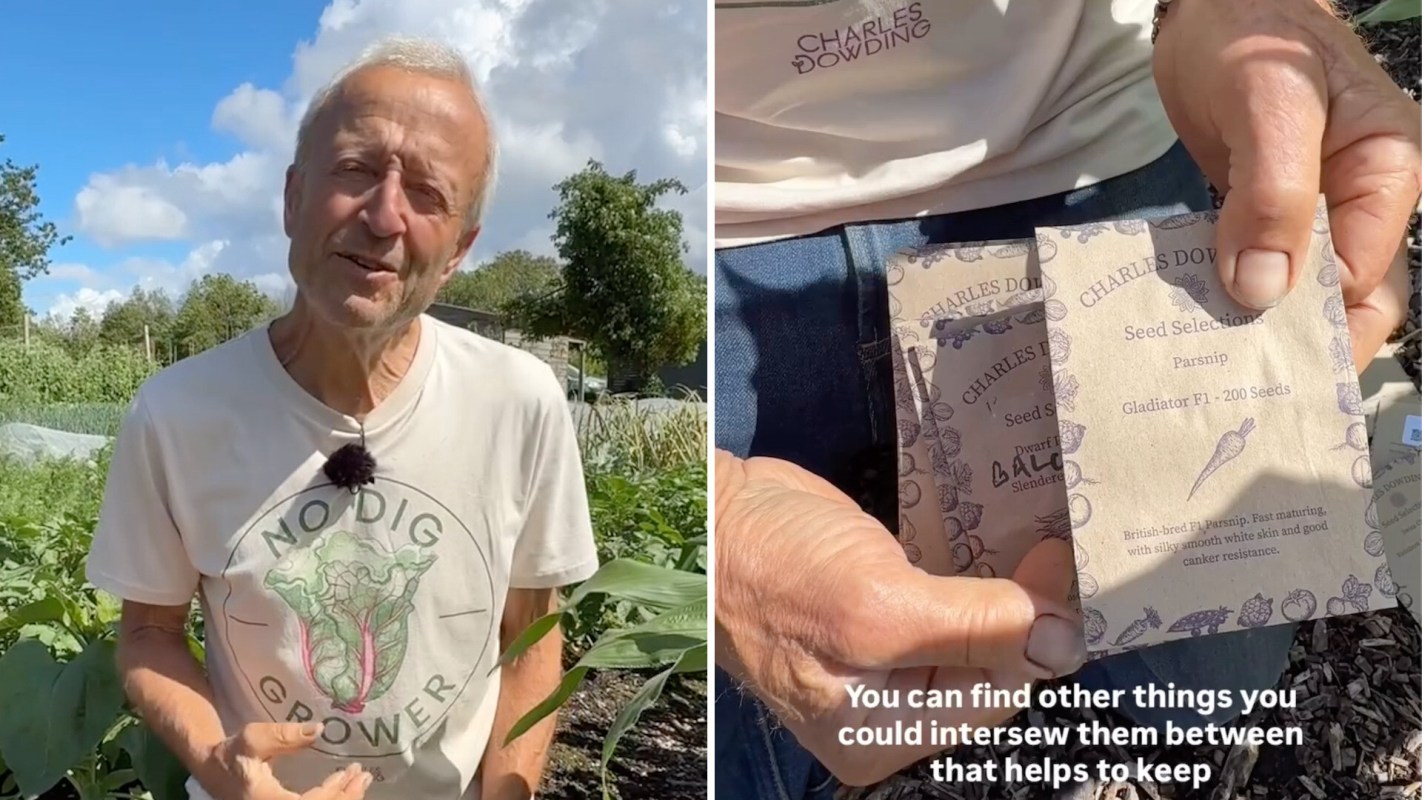
"June is a key month for second sowings to keep beds full right the way through the growing season," gardener Charles Dowding (@charles_dowding) wrote in an Instagram post.
For June sowing, Dowding highlighted carrots, Swiss chard, parsnip, and more, describing inter-sowing as putting fresh seeds among crops that are still in place but almost finished. He said parsnips can be sown among lettuce plants, where ongoing watering can keep the soil moist.
He also pointed to French beans and leaf lettuce as good choices for containers and balconies. For later harvests, he suggested cauliflower, cabbage, purple sprouting broccoli, kale, and collards to keep crops coming through autumn, winter, and spring.
Followers shared their own experiences, both the lows and the highs.
TCD Picks » Quince Spotlight
💡These best-sellers from Quince deliver affordable, sustainable luxury for all




"I'm having a tough time intersowing — slugs have eaten everything young down to the soil level," one commenter wrote.
"Intersowing is a great tip…just not between potatoes…not easy digging up your spuds around seedlings," another added.
"Your tips for June sowing are spot on," a third said. "Those vibrant veggies will thrive!"
Why does it matter?
Once early potatoes, onions, lettuce, and cabbage are harvested, that space does not have to stay empty. Planting again at that point can extend production for months and increase the amount of food from the same patch of soil.
That can lead to savings at the grocery store, especially with crops such as lettuce, chard, carrots, beans, and kale, which are often expensive.
Gardening also helps people get moving, encourages time spent outside, and reduces stress. And a large yard is not necessary to try succession sowing if you have a few containers or a balcony.
What can I do?
Start by checking what is already growing and which crops are likely to be finished within the next few weeks. If something is close to harvest, it can help to have seeds or seedlings ready so they can go straight into open gaps or be tucked among older plants before those are removed.
Dowding's container-friendly approach may be especially useful in limited spaces. French beans and lettuce can do well in pots, and quick-growing greens can help small spaces stay productive throughout the season.
If pests or weeds are making intersowing more difficult, there are low-impact ways to manage them, which can be especially helpful when young seedlings share space with established crops.
As one commenter shared, "I'm trying real hard to succession and intersow this year, and it's going really well so far."

Get TCD's free newsletters for easy tips, smart advice, and a chance to earn $5,000 toward home upgrades. To see more stories like this one, change your Google preferences here.






