


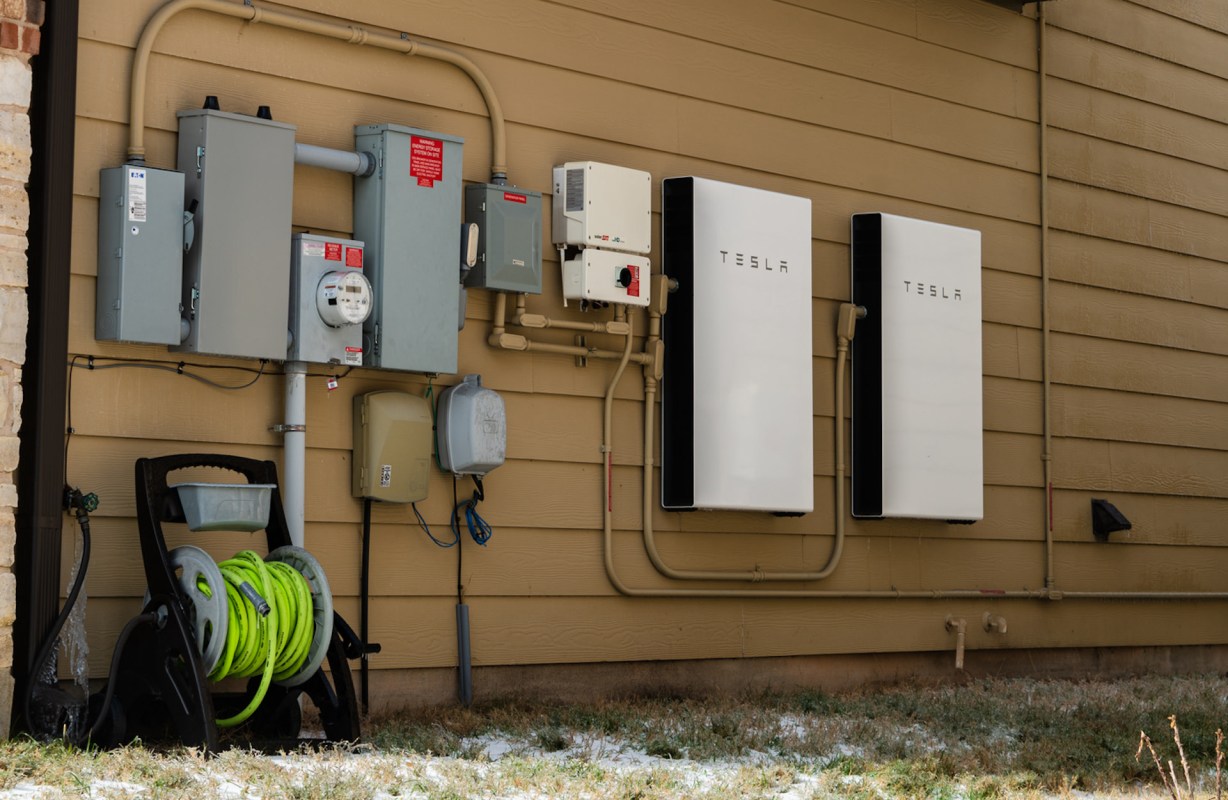
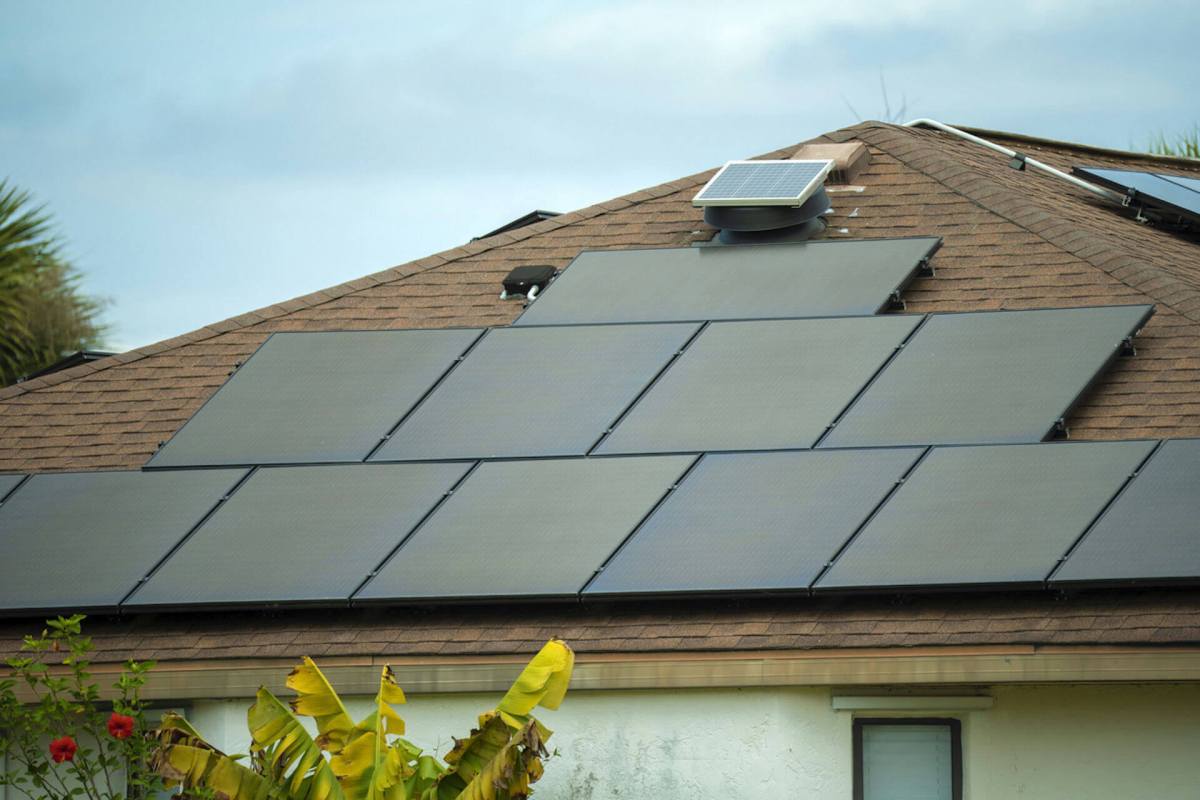
Installing solar panels on your home might sound like an expensive endeavor, but it can be one of the most cost-effective ways to cut down on your energy bills — and reduce domestic pollution in the process.
Supplemented with potential local, state, and federal tax incentives, a solar power system just might be more affordable than you think.
The scoop
One budget-conscious homeowner asked the r/TeslaSolar Reddit community about how solar tax credits work. After installing solar panels and a Powerwall from Tesla, the Redditor was slightly unsure of how to approach their tax returns.
After being quoted a total cost of $53,000 for their entire solar power system, the homeowner revealed that they received $11,000 in Solar Renewable Energy Credits upfront. This reduced the cost of their solar power system to just $43,000.
"Do I claim 54k or 43k?" the original poster asked.
According to the IRS, generally, "a taxpayer is not required to reduce the purchase price or cost of property acquired with a governmental energy-efficiency incentive that is not a rebate."
While some states may label solar power incentives as rebates, these incentives are not considered as rebates when filing a tax return.
How it's helping
The average cost of solar panel installation is around $29,000. But if you take advantage of incentives such as the Inflation Reduction Act, you can see a bundle of extra cash fall right back into your pocket.
Save $10,000 on solar panels without even sharing your phone number Want to go solar but not sure who to trust? EnergySage has your back with free and transparent quotes from fully vetted providers that can help you save as much as $10k on installation. To get started, just answer a few questions about your home — no phone number required. Within a day or two, EnergySage will email you the best local options for your needs, and their expert advisers can help you compare quotes and pick a winner. |

However, President Donald Trump has indicated that he intends to eliminate those cost-saving subsidies, so it might be better to take advantage of the IRA sooner rather than later.
While figuring out the math can be tricky, EnergySage has free tools to calculate how much a solar power system might cost. EnergySage can also help with navigating the IRA incentives to save around $10,000, depending on the size of the project.
|
Do you think the federal government should give us tax breaks to improve our homes?
Click your choice to see results and speak your mind. |
 Definitely 💯
 In addition to saving money in the short and long term, installing solar panels can slash your dependence on dirty fuels and reduce planet-warming gas pollution in your neighborhood.
What everyone's saying
The majority of commenters argued that the original poster made the tax credit issue more complicated than it had to be.
More From EnergySage
💡Go deep on the latest news and trends shaping the residential solar landscape



"Don't overthink it," wrote one Redditor. "How much did you pay for the system? Put that on the form."
"You are way overthinking this," said another commenter with similar sentiments. "What was the bottom line total the system cost before any rebates or SRECs or anything? If it's 54k, then that's the number you use."
A third user added, "When you file, it's essentially just one line item for the total qualifying amount so there's no breakout or detailed deductions."

Join our free newsletter for easy tips to save more and waste less, and don't miss this cool list of easy ways to help yourself while helping the planet.
Cool Picks


