



If you drive an electric vehicle, you're saving a lot on fuel costs compared to a gas-powered car, but the expenses can still add up. Thankfully, you can reduce costs by up to 60% by using solar power to charge your EV rather than grid energy.
According to EnergySage, pairing your EV with solar panels for home charging costs around $200-300 annually. In comparison, you'll spend about $600-700 a year using grid energy, and roughly $2,500 for a gas-fueled vehicle.
Since electricity prices have increased by an average of nearly 3% per year over the last 25 years in the United States, according to Solar Reviews, it's a wise financial decision to invest in solar panels and claim your energy independence. Going solar is not only a good way to save money, but it also helps the planet, as it's a pollution-free energy source.
With EnergySage's free tools that allow you to compare quotes from qualified installers and find the right system for your needs, it's never been easier to invest in solar. Most people can expect to save around $10,000 on solar installations and purchases by using its services, and even more when you factor in the available tax incentives and rebates that you can access with EnergySage's free mapping tool, which shows you the savings you qualify for and the average price for a home system based on your state.
By charging your EV at home with solar power rather than relying on the grid or public charging stations, you'll maximize your savings and reduce strain on the energy system. EnergySage found that most homeowners will need around 6-10 solar panels to power their EVs effectively. That means you'd need to add around 2.4 kilowatts to your system, but the investment is well worth it in the long run.
But if a home solar system isn't in your budget, you can always lease panels through Palmetto's LightReach program to avoid fluctuating energy prices and high upfront costs while still benefiting the environment. Some plans even offer no money down, and the company takes care of all maintenance and setup.
To further reduce your energy costs, consider pairing your solar system with other energy-efficient appliances, such as heat pumps. Companies like Mitsubishi make it simple to compare quotes from local contractors and find the right system for your budget.
To take advantage of tax credits for solar panels and home appliance upgrades, ensure that installations are completed by the end of the year, as these credits will expire on Dec. 31.
Save $10,000 on solar panels without even sharing your phone number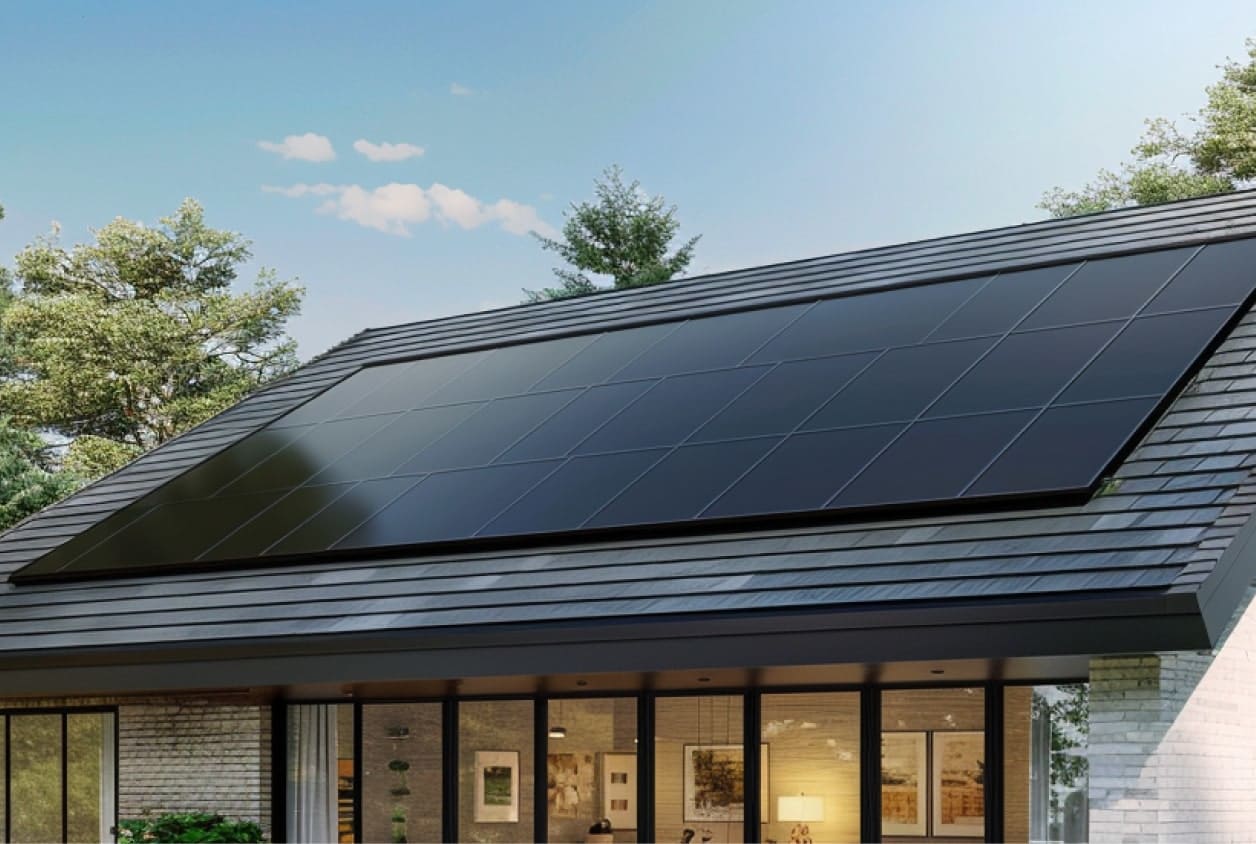 Want to go solar but not sure who to trust? EnergySage has your back with free and transparent quotes from fully vetted providers that can help you save as much as $10k on installation. To get started, just answer a few questions about your home — no phone number required. Within a day or two, EnergySage will email you the best local options for your needs, and their expert advisers can help you compare quotes and pick a winner. |

"With federal incentives set to expire and electricity rates continuing their relentless climb, there's never been a better time to power your EV with sunshine — watch your transportation costs plummet as your energy independence soars," EnergySage said.
|
Would you be more likely to drive an EV if you could charge it in 5 minutes? Click your choice to see results and speak your mind. |
 Yes 👍
Yes 👍 
Join our free newsletter for easy tips to save more and waste less, and don't miss this cool list of easy ways to help yourself while helping the planet.







