


Although installing solar panels can be an exciting and worthwhile investment, annoying red tape from local governments, cities, and even homeowner's associations can quickly dampen the fun.
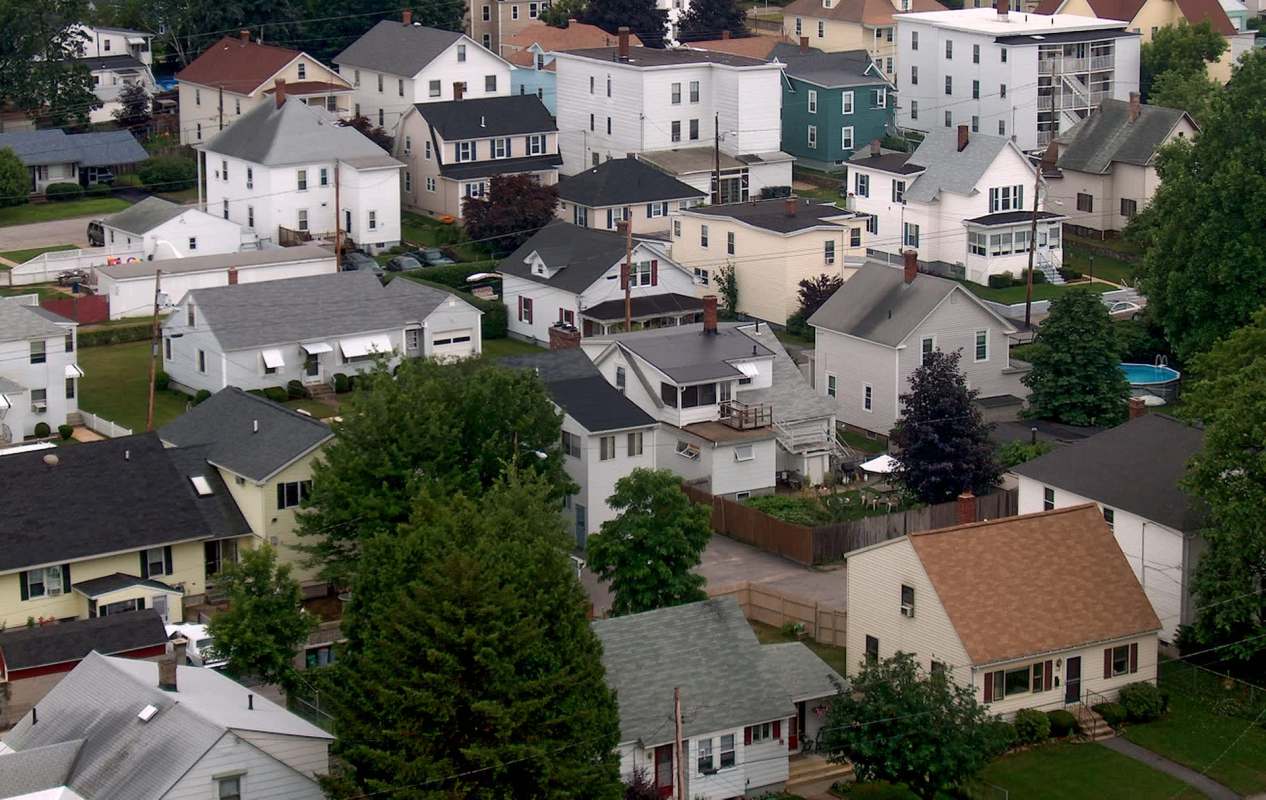
That's why one New Hampshire homeowner posted on Reddit to rant about the frustrating zoning regulations on solar projects in their area, and to seek advice after encountering these unusual solar rules.
According to the original poster, after researching solar regulations in nearby towns, any system larger than what's needed for a typical single-family home faces restrictions that effectively make solar impractical for commercial buildings.
"Why are [solar panels] so hated here?" the OP asked. "It's odd to me that it's so heavily restricted and resisted."
Unfortunately, confusing regulations can make installing solar needlessly complicated. Luckily, there are tools, such as those from TCD partner EnergySage, that can help homeowners navigate local codes to make the process simple.
Although commenters offered theories ranging from political factors to bad actors in the solar industry, the forum couldn't agree on the cause of the unusual government solar regulations. Still, they were quick to point out that panels remain a worthwhile, money-saving investment in the northeastern state.
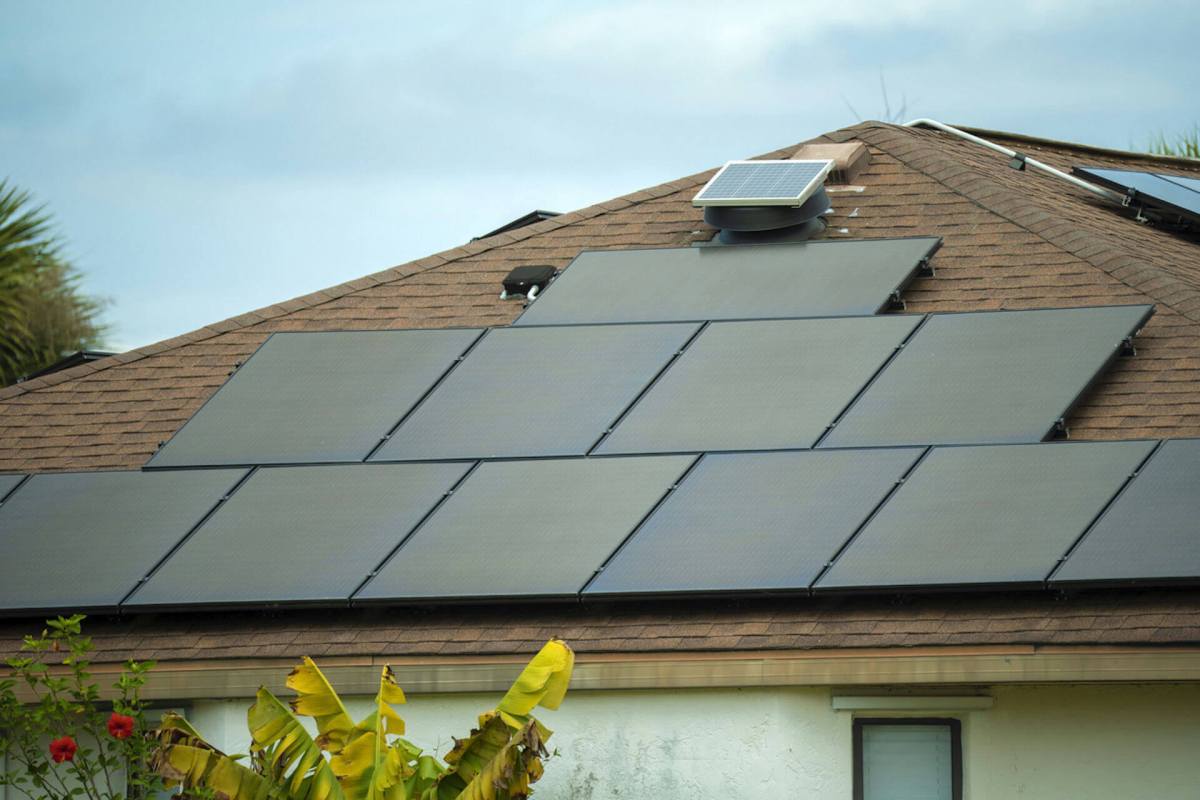
"I had 57 solar panels on a house I recently sold," one user wrote. "We were pretty close to net offgrid annually — even with snow and clouds in the winter — so clearly it does work in New Hampshire."
"[My panels] paid for themselves in 6 years," another added. "I'm on year 9 with them now and they just pay me now."
Save $10,000 on solar panels without even sharing your phone number Want to go solar but not sure who to trust? EnergySage has your back with free and transparent quotes from fully vetted providers that can help you save as much as $10k on installation. To get started, just answer a few questions about your home — no phone number required. Within a day or two, EnergySage will email you the best local options for your needs, and their expert advisers can help you compare quotes and pick a winner. |

As these homeowners figured out, solar panels can help you save big on energy bills regardless of complex installation requirements.
If you're interested in getting solar to secure your home's energy, consider taking advantage of EnergySage's free tools to save up to $10,000 on purchase and installation costs.
|
Which of these savings plans for rooftop solar panels would be most appealing for you?
Click your choice to see results and earn rewards to spend on home upgrades. |
 Save $1,000 this year 💸
 Plus, EnergySage even has a helpful mapping tool that can snag you the best deal by showing you the average cost of panels and local incentives on a state-by-state level.
EnergySage also offers information on adding battery storage to your solar setup. Pairing the technologies is an extremely effective way to protect your home from outages, save even more on utility costs, and even cut ties with the power grid entirely.
More From EnergySage
💡Go deep on the latest news and trends shaping the residential solar landscape



More homeowners chimed in with their thoughts on the benefits of solar.
"I have 19 panels on my 3500 square foot house and haven't paid a bill in two years," one user wrote. "I also sell each megawatt produced for $27. Big fan."
"With subsidies from the state and (now expired) credits from the federal government, we installed 26 panels on our roof in 2023 for $18,000," another added. "The electricity is basically free from April through September. … We estimate we will reach break-even in 2-3 years."

Get TCD's free newsletters for easy tips to save more, waste less, and make smarter choices — and earn up to $5,000 toward clean upgrades in TCD's exclusive Rewards Club.
Cool Picks




