


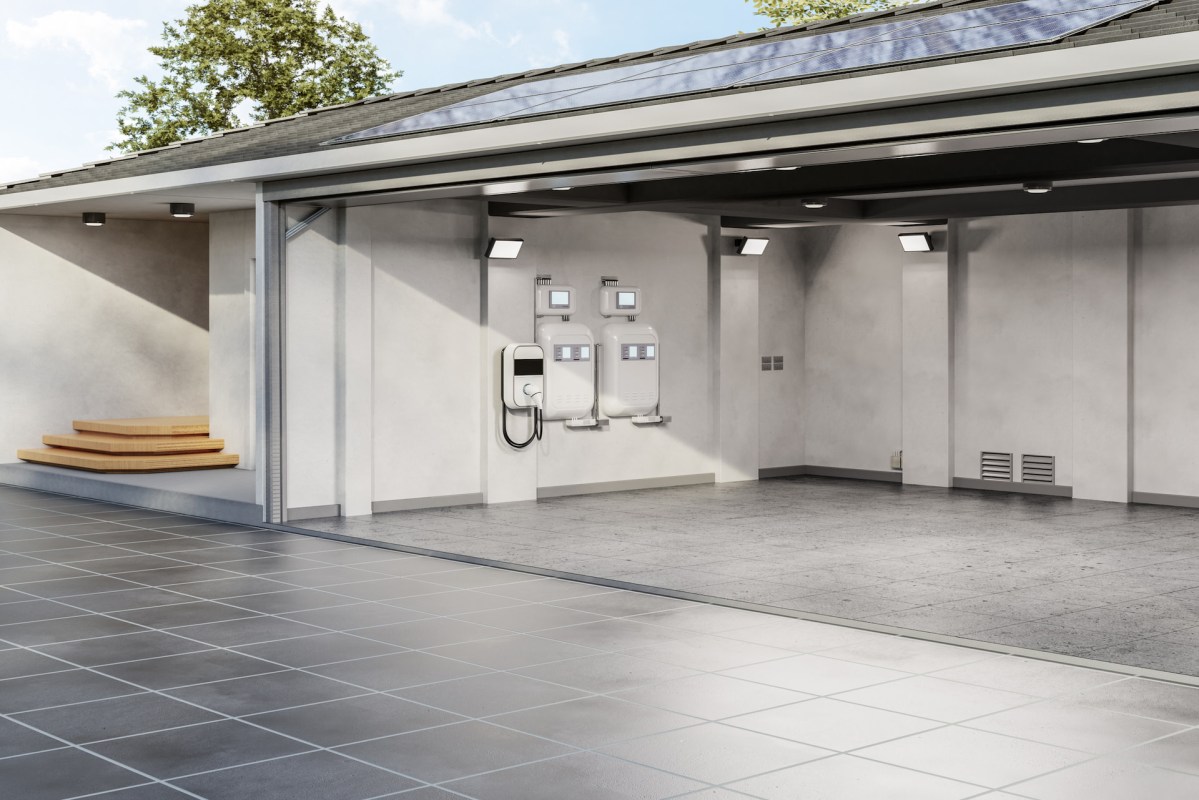
A new Stanford University study has determined that over 60% of households in the United States would benefit from solar panels with a backup battery, Stanford reported.
The study was led by postdoctoral scholar Tao Sun and overseen by Ram Rajagopal, an associate professor of both civil and environmental engineering and electrical engineering. Other participants include Arun Majumdar, dean of the Stanford Doerr School of Sustainability; Stanford research engineer Chad Zanocco; and senior research scholar June Flora. It was published on August 1 in Nature Energy.
The researchers examined two major benefits of a solar panel setup with a backup battery: whether the households that used this equipment would save money on their energy bills, and whether they would have increased resilience in the event of a blackout.
After accounting for the cost of the solar setup, the researchers found that 60% of households in America would save money on their energy bills by switching to home solar. The average savings were 15%.
Meanwhile, 63% of households would be able to meet at least half of their energy needs with this setup during a blackout, while lowering their bills or keeping them the same.
"With electricity rates now rising in most states, shaving utility bills can help people quite a bit, but the ability to ride out local or regional blackouts is becoming very important to many families," said Rajagopal, according to Stanford. "That's because U.S. electricity infrastructure is old and getting replaced slowly, while the extreme weather events like hurricanes and heat waves that cause blackouts are becoming more frequent, intense, and longer lasting."
The high numbers that these researchers found aren't surprising to anyone who has been following the progress of solar technology. Solar panels keep getting more efficient and more affordable every year. They're one of the best ways to lower your bills, all while producing less pollution. For those who aren't sure where to start, EnergySage has free online tools to help you find a vetted installer in your area and compare deals.
Many factors affected the math involved. For instance, the researchers assumed that households would be taking advantage of rebates available to cover 30% of the cost of the solar panels and battery backup — rebates which will be unavailable after the end of 2025. After that, the number of households that could benefit will sink — but thanks to the continuing progress of solar technology, researchers estimate that it will be back at 60% by 2033.
Save $10,000 on solar panels without even sharing your phone number Want to go solar but not sure who to trust? EnergySage has your back with free and transparent quotes from fully vetted providers that can help you save as much as $10k on installation. To get started, just answer a few questions about your home — no phone number required. Within a day or two, EnergySage will email you the best local options for your needs, and their expert advisers can help you compare quotes and pick a winner. |

More concerning is the geographic spread of the households that will benefit versus the households that won't.
"The solar-battery benefits often fail to align with the areas that need them most, like in certain high-outage-risk states where only one-fourth of households can get affordable backup power from solar-battery systems," said Majumdar, according to Stanford. "As weather extremes like heat waves intensify the frequency and severity of power outages, ensuring affordable, secure, and sustainable backup power is increasingly critical for at-risk homes."
|
Do you have a backup power source in your home? Click your choice to see results and speak your mind. |
 Yes — a portable generator 👍
 However, this too will improve with the decreasing overall cost of solar.
If you're ready to install solar, EnergySage will help you save up to $10,000 on your installation. Use its convenient mapping tool to discover the cost of solar in your state and the available incentives to help you afford it.
More From EnergySage
💡Go deep on the latest news and trends shaping the residential solar landscape

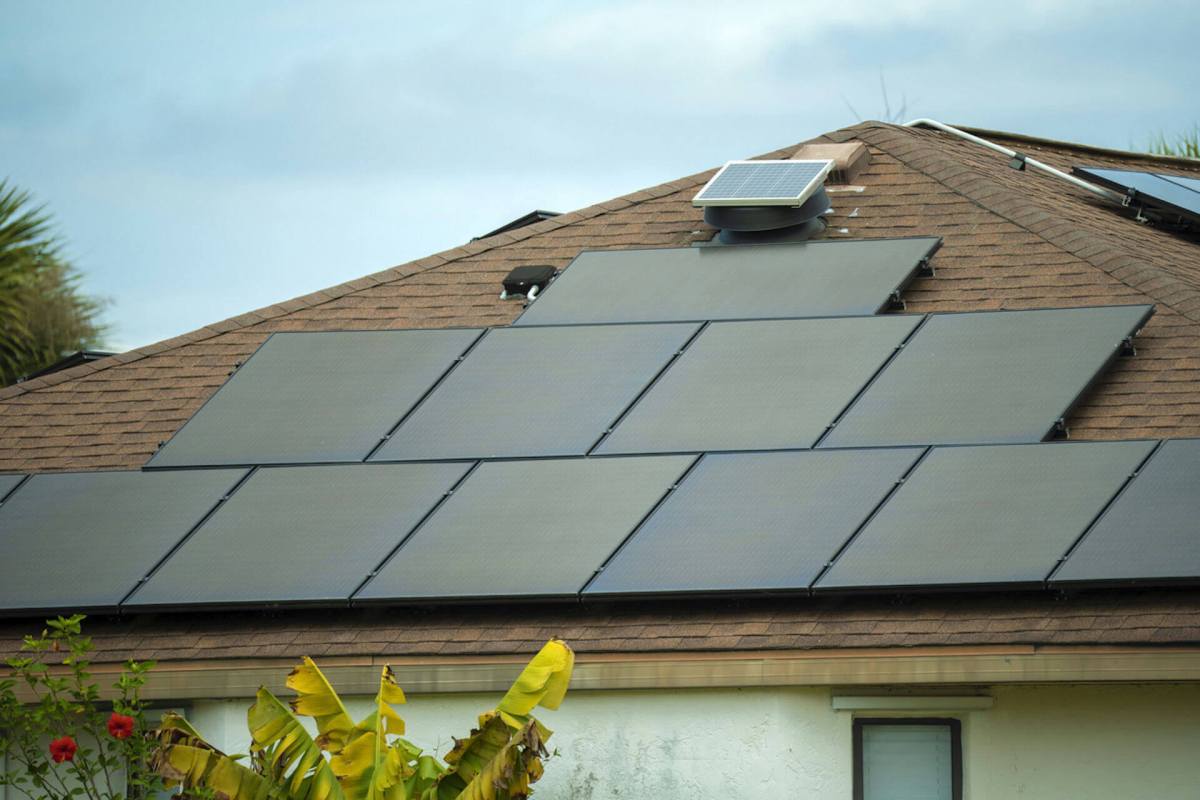


To amplify the benefits of solar, you can also explore your options for upgrading your HVAC unit to an efficient, all-electric heat pump. That switch can save you thousands of dollars and free you from relying on natural gas or oil to heat and cool your home, and EnergySage offers a similar service for heat pump quotes that makes it easy to find the best model and installer for your specific needs.

Join our free newsletter for easy tips to save more and waste less, and don't miss this cool list of easy ways to help yourself while helping the planet.
Cool Picks


