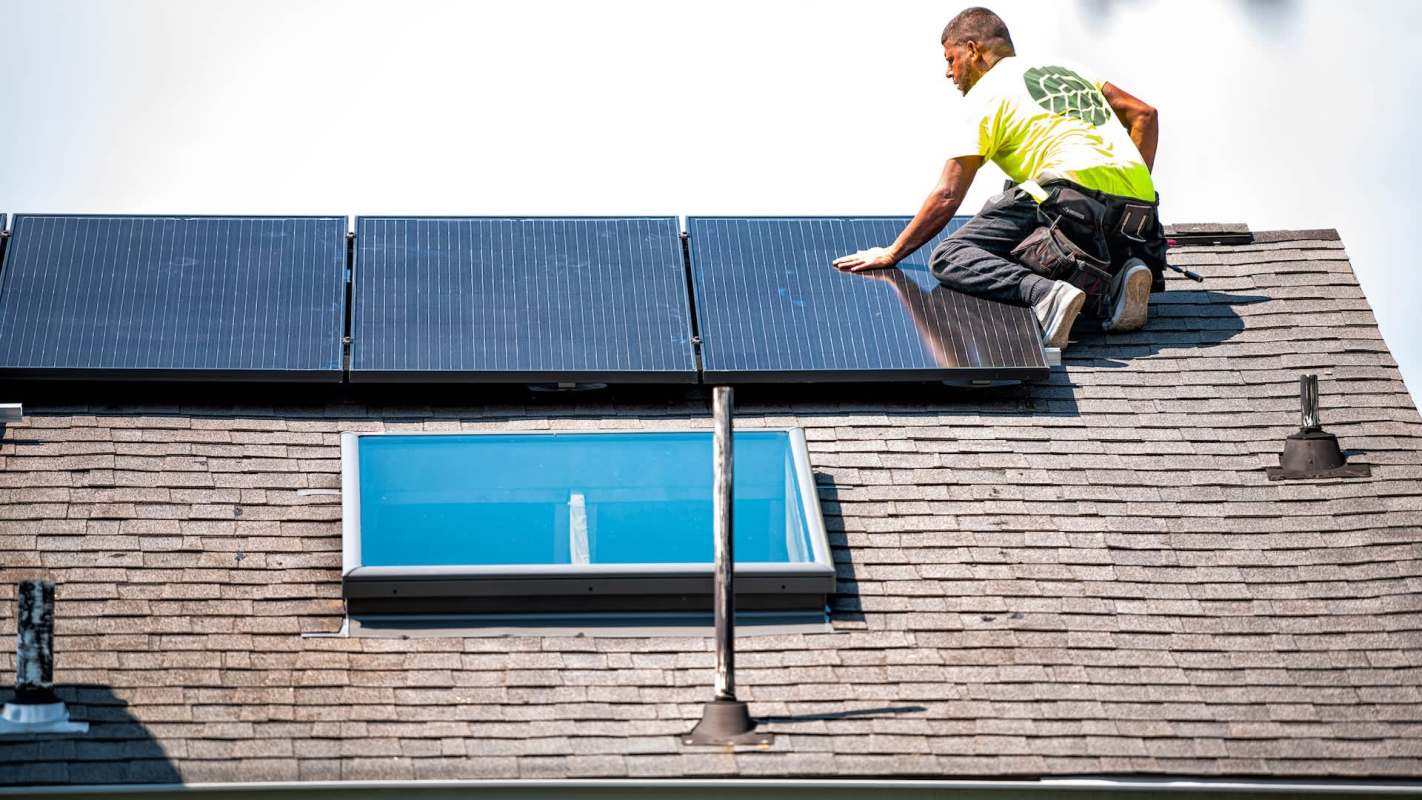
A solar installation day can feel like the finish line, but for many homeowners, it is actually the moment when a small overlooked detail turns into a much bigger headache.
One Redditor's practical checklist is drawing attention for focusing less on the panels themselves and more on the questions that can help prevent delays, confusion, and costly follow-up problems.
Here's what to know
In a post to Reddit's r/SolarEnergy forum, an original poster wrote, "Most install-day advice focuses on the panels and roof work. The questions that seem just as important are much more practical: Who needs access, what happens if the crew finds a problem, and what should be completed before everyone leaves."
The OP added, "Here is the checklist I would use before a residential solar installation."
The post says the practical preparation starts with timing and access. Before work begins, homeowners should know the crew's arrival window, identify who is in charge on-site, and clarify whether workers will need to access areas such as the attic, garage, breaker panel, side yard, gates, or rooms.
It also encourages homeowners to settle placement details before the job starts by reviewing where the inverter, battery, disconnects, and any exposed conduit will go, while also making the site easier to work in by moving vehicles, clearing pathways, and securing pets.
Commenters added their own hard-earned advice as well. One Redditor urged homeowners to "Verify the solar panel watt ordered is what was delivered."
More background
Solar can deliver significant utility savings over time, but only if the system is properly installed and activated without unnecessary delays. This checklist focuses on the handoff from a signed contract to a working system.
Save $10,000 on solar panels without even sharing your phone number Want to go solar but not sure who to trust? EnergySage has your back with free and transparent quotes from fully vetted providers that can help you save as much as $10k on installation. To get started, just answer a few questions about your home — no phone number required. Within a day or two, EnergySage will email you the best local options for your needs, and their expert advisers can help you compare quotes and pick a winner. |

A homeowner may spend weeks comparing quotes and projected savings, but install day still brings logistical issues that can affect safety, aesthetics, and future maintenance. If a crew runs into a roof issue, places conduit in an unexpected location, or leaves without clearly explaining the next steps, the result can be delays, additional service visits, or repair costs.
One commenter put that risk bluntly, adding, "Confirm who submits the paperwork, and get it in writing."
Still, going solar is one of the best ways to save money on home energy costs, especially when homeowners take the time to compare their options. If you're considering a system, exploring EnergySage can help you get free solar installation estimates and compare quotes. Those who do can save up to $10,000 on an installation.
Free shopping tools can also help long before installation day. EnergySage's solar map shows the average cost of a home solar panel system on a state-by-state level, along with details on solar panel incentives for each state. Together, those resources can help readers get the best price for rooftop solar panels and access available incentives.
More From EnergySage
💡Go deep on the latest news and trends shaping the residential solar landscape





Get TCD's free newsletters for easy tips, smart advice, and a chance to earn $5,000 toward home upgrades. To see more stories like this one, change your Google preferences here.