


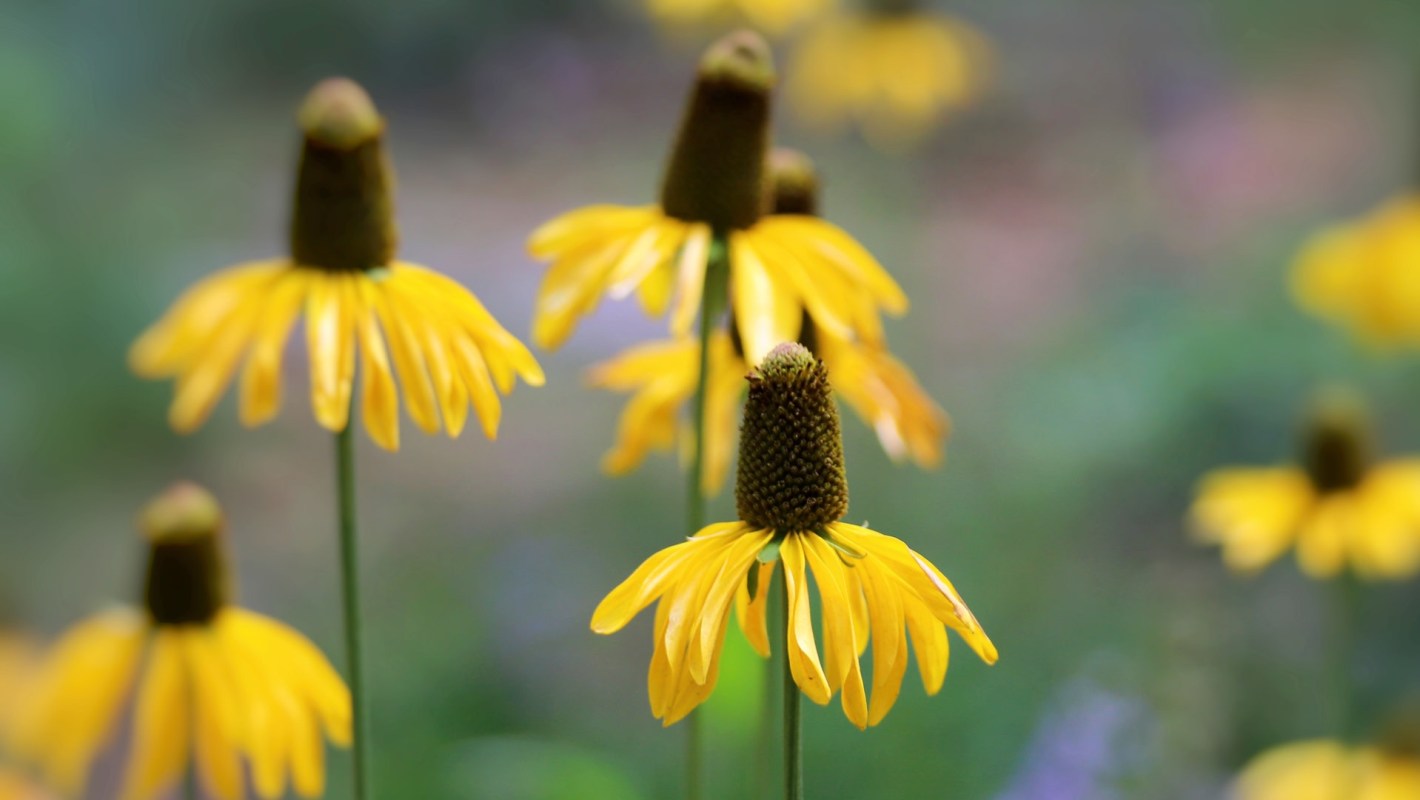
A single year flies by quickly, and a burgeoning native garden can make a surprising amount of progress in that time. A recent Reddit post in the r/NativePlantGardening subreddit is living proof, featuring a novice native garden beginning to kick things into high gear.
"Oh, the difference a year makes," acknowledged a response post. With a native garden, a succeeding year will open up a world of additional benefits, even in a small garden.
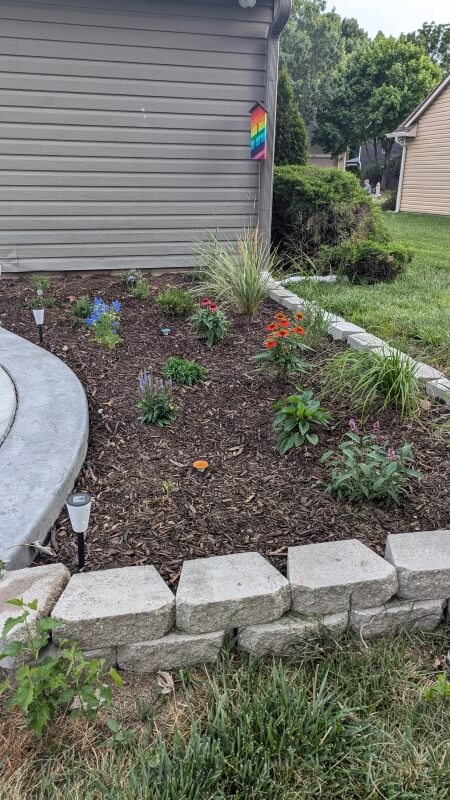
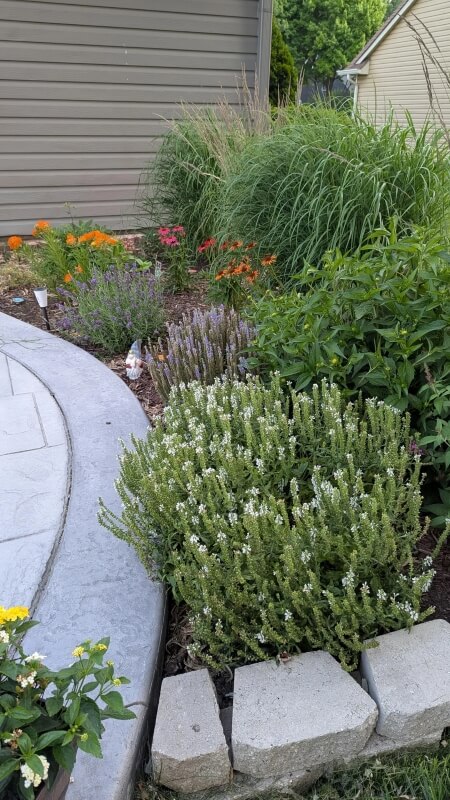
Monoculture lawns (typically uniform grass) are on the decline, especially in the region depicted in the Reddit post — Indiana 6A.
According to a survey conducted by the National Wildlife Federation, 25% of people purchase native plants, while 19% (up from 9% two years earlier) plan on turning at least a portion of their lawns into a native yard.
Monoculture lawns are pretty boring, and they also require a high degree of regular maintenance, watering, and chemical fertilizers.
In fact, the EPA notes that 30% of residential water use throughout the U.S. goes to lawn irrigation, an astronomical volume. Natural lawns, already adapted to the local environment, simply don't need that volume of water to thrive.
Perk up the winter blues with natural, hemp-derived gummies Camino's hemp-derived gummies naturally support balance and recovery without disrupting your routine, so you can enjoy reliable, consistent dosing without guesswork or habit-forming ingredients. Flavors like sparkling pear for social events and tropical-burst for recovery deliver a sophisticated, elevated taste experience — and orchard peach for balance offers everyday support for managing stress while staying clear-headed and elevated.
Learn more → |

They require less maintenance and come with an additional bonus — they attract pollinators, possibly one of the most important factors. Between 2000 and 2020, butterfly populations plummeted by 20%, according to a Washington State University study.
Even worse, commercial beekeepers are reporting a loss of 62% on average, via Project Apis. That's a devastating amount, especially since pollinators are crucial to local ecosystems and the circle of life in general.
The timing of the shift away from monoculture lawns and toward natural lawns, rewilding, xeriscaping efforts, and more aesthetically pleasing, native landscapes couldn't come at a better time.
It's not a difficult prospect either, especially for those who have the time and space to start a native lawn. As noted above, these plants are robust, favoring their local environment.
TCD Picks » Upway Spotlight
💡Upway makes it easy to find discounts of up to 60% on premium e-bike brands





|
How did your garden turn out this year? Click your choice to see results and speak your mind. |
 Amazing 🤩
 For instance, buffalo grass is native to North American prairies and well-adapted to that environment as well as some of the Midwest. Clover is naturalized in North America, but especially thrives in the OP's Zone 6A.
Time is an ally with native plants, as the OP acknowledged in additional response posts: "Thank you!! You'll see a lot of growth through the end of fall, too, I bet."

Join our free newsletter for easy tips to save more and waste less, and don't miss this cool list of easy ways to help yourself while helping the planet.
Cool Picks






