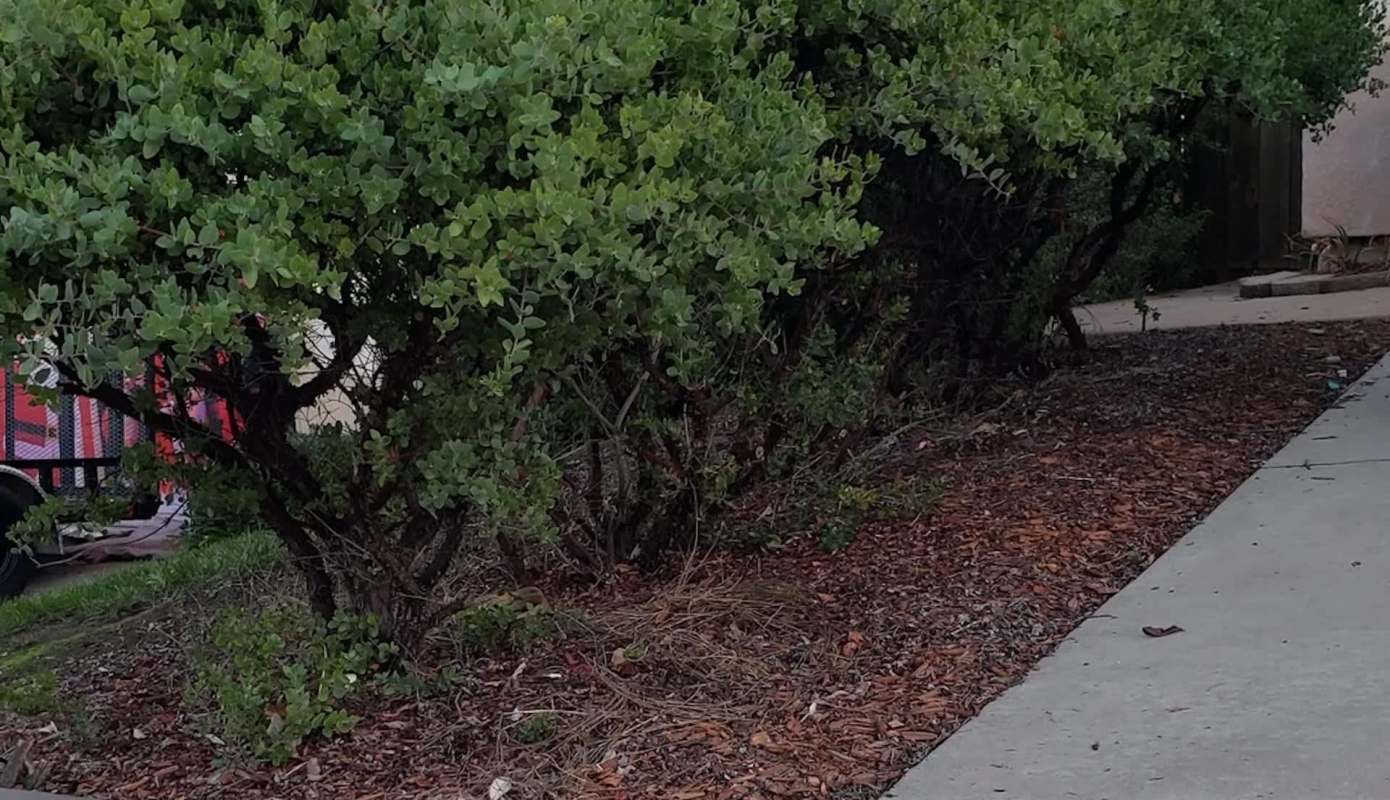
This lush native yard doesn't rely on sprinklers or hoses — it runs on stormwater alone.
A California-based homeowner recently spotlighted their gorgeous eight-year-old dry creek bed on Reddit. A dry bed, for those unfamiliar, is a landscaped channel designed to carry rainwater during storms while remaining dry the rest of the time.
The homeowner explained that the dry bed was already in place when they first moved into the house. Rather than a traditional manicured grass lawn, the yard features strategically placed mulch, pea gravel, and rocks that guide water flow to native plants.
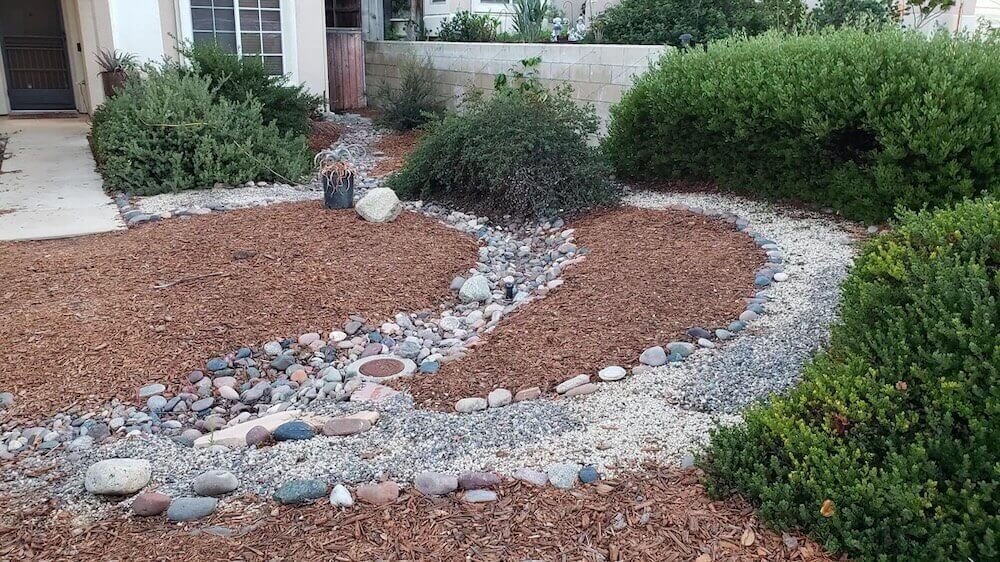
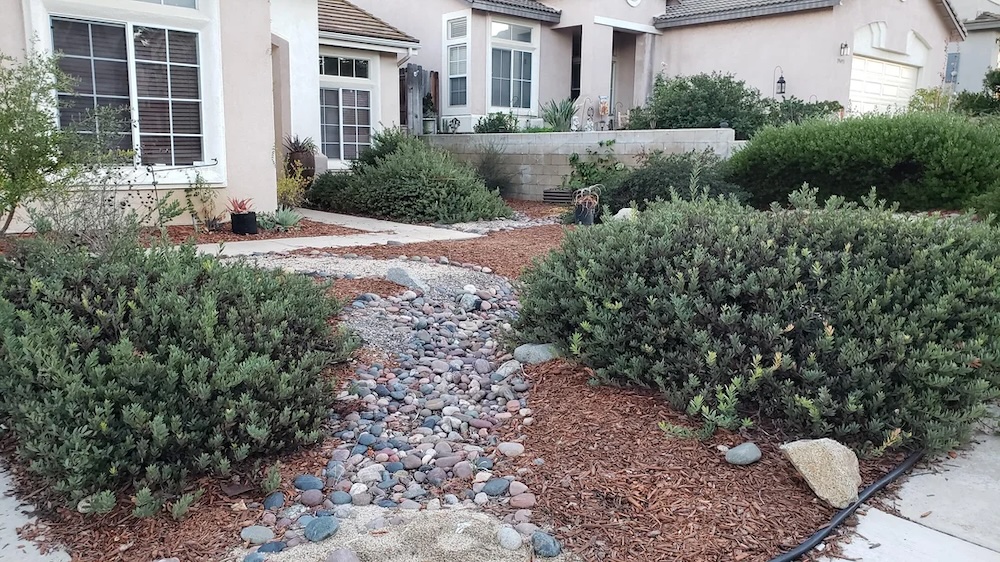
In the post, the homeowner said they "inherited" a gardener when moving into the home, who manicured all the native plants into "little bread loaves and square boxwood-style hedges." Wanting to revitalize the space, the homeowner chose to let the plants grow freely — without clipping or excess watering.
"I refuse to pamper them and provide a single drop of water," the homeowner wrote. "We have zero runoff, and I have two gutters directed to hit the riverbed."
Because dry creek beds are designed to stay dry most of the time, they're perfect for native plants adapted to local growing conditions. With a dry bed, plants are encouraged to grow the way they evolved to — without sprinklers or "pampering" — saving on water costs and reducing strain on the local water supply.
TCD Picks » Upway Spotlight
💡Upway makes it easy to find discounts of up to 60% on premium e-bike brands





Dry beds also help manage stormwater more sustainably. By directing stormwater runoff to plants, they divert sediment and pollution away from storm drains. Water is slowed as it moves through the channel, allowing it to soak into the ground and revitalize the soil. This gentler flow also helps prevent erosion, with the gravel and natural contours of a dry bed absorbing the energy of heavy rain.
Beyond water conservation, dry creek beds help support local biodiversity. Thriving native plant species provide essential food and shelter for insects, birds, and microorganisms that thrive in less manicured environments. In fact, the homeowner said they've documented 78 bird species in their yard so far.
Commenters on the post loved the look of the dry creek bed, with many saying they were inspired by the unconventional approach to landscaping.
"Looks great," one commenter wrote. "I'd love to do something like this and save on water."
TCD Picks » Quince Spotlight
💡These best-sellers from Quince deliver affordable, sustainable luxury for all




"Hopefully more [people] in the neighborhood are inspired by your garden and make similar changes," another commenter added.
|
What's the most you'd pay per month to put solar panels on your roof if there was no down payment?
Click your choice to see results and speak your mind. |
 $200 or more 💰
Get TCD's free newsletters for easy tips to save more, waste less, and make smarter choices — and earn up to $5,000 toward clean upgrades in TCD's exclusive Rewards Club.
Cool Picks