


When rainwater floods a neighborhood, specifically homes at the bottom of hills, the consequences can be obnoxious, if not detrimental.
One Instagrammer concerned with intense rainfall in their yard, positioned at the bottom of a hill, hired the ecological landscaping company Shades of Green Permaculture (@shades_of_green_permaculture) to take action against floods.

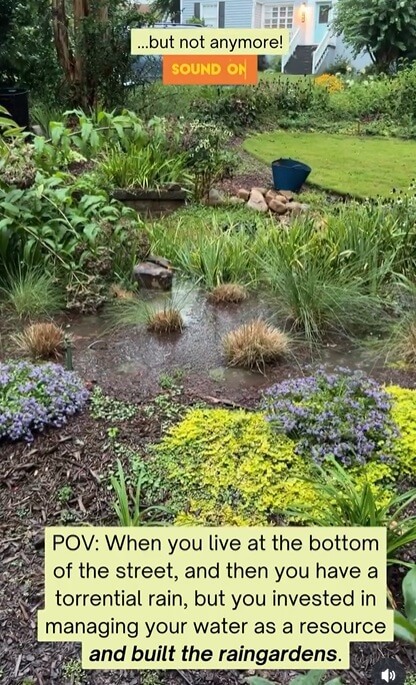
He subsequently shared videos with Shades of Green Permaculture to show the landscapers how their hard work had paid off. The videos were posted on the company's Instagram page.
Shown in the post is evidence of torrential rainfall spilling floodwater down a hill toward the consumer's neighborhood.
He told the landscaping company, "I've never seen a flood on our street like this. Your rain gardens yawned and kept on doing their thing, acting as if nothing had happened."
In the next clip, the consumer shows off his rain garden designed by Shades of Green Permaculture.
TCD Picks » Quince Spotlight
💡These best-sellers from Quince deliver affordable, sustainable luxury for all




Because of the rain garden, his lawn is not flooded.
"Next door is full of … flooding torrent," he said in the video. "But your stuff? … Happy plants. Happy grass."
Flooded yards can impact a home's structural integrity and, according to a publication called "Caring for Flooded Lawns" posted on the University of Missouri's extension website, can kill grass and cover the area with silt and other debris.
With some hard work, lawns can be cleaned, although consumers should understand that there is a chance their yard will not recover. Therefore, the best practice when it comes to potential flooding is to stop it before it starts.
|
What's the hardest thing about taking care of your yard? Click your choice to see results and speak your mind. |
 Mowing the lawn 🏡
 Rain gardens are a tried and true method of draining floodwater and protecting a lawn. They are composed of native grasses and flowering plants set in a low area in the landscape. Even before the rain comes, native plants offer great benefits to homeowners since they require less watering and regular maintenance. They lower water bills and service fees while reducing labor time.
They also create a healthy ecosystem for pollinators, benefiting us all since these creatures help protect our food supply.
In a rain garden, the native plants and the depressed piece of land soak up the rainwater, reduce runoff, and filter out pollutants, according to the Environmental Protection Agency.
Commenters on the Instagram post were inspired by the consumer's rain garden, as this innovative and natural defense against flooding fosters a healthy ecosystem and saves consumers time and money on upkeep.
"What an amazing project," one said, "and successful!"
Another said, "Love this! Such an amazing example of why we need all this important rain infrastructure in our gardens."

Join our free newsletter for easy tips to save more and waste less, and don't miss this cool list of easy ways to help yourself while helping the planet.






