


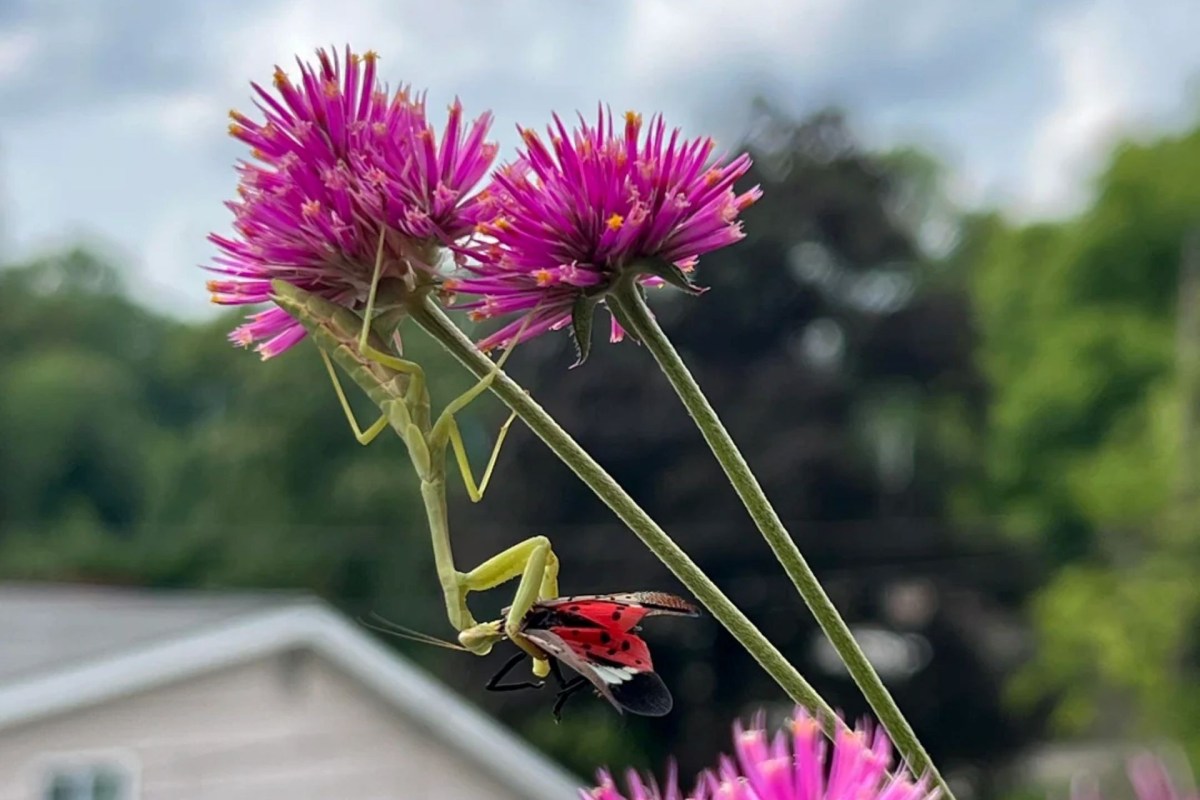
A backyard gardener's close-up encounter with a praying mantis chowing down on a spotted lanternfly is giving people hope for a more natural way to fight one of the most frustrating invasive pests around.
But the moment also came with the warning that not every mantis is a good addition to the garden.
What's happening?
A gardener on Reddit said spotted lanternflies had been damaging their flowers and herbs when a praying mantis they nicknamed Norbert turned out to be an unexpected ally.
In a Reddit post to the site's r/Gardening community, the original poster explained that Norbert "snatched it off the wall and began ravenously devouring it headfirst."
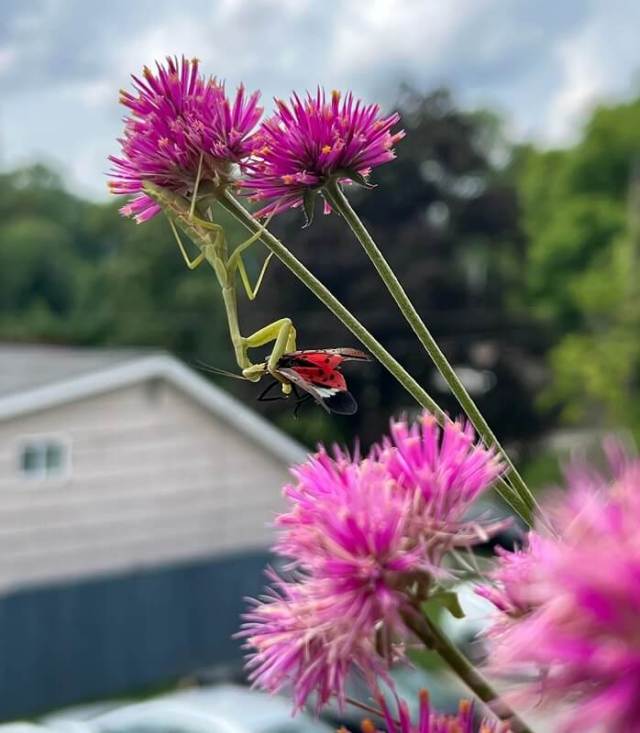
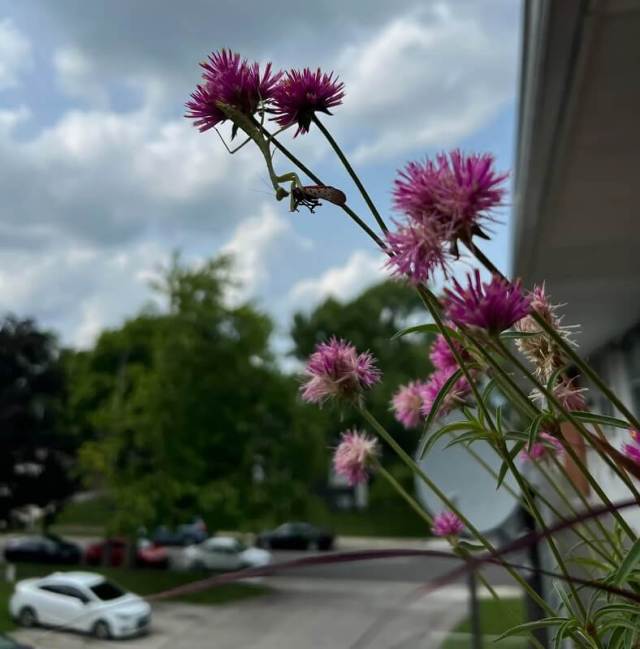
The OP then said they tried offering the mantis another injured lanternfly by hand and wrote, "Immediately, my lil dude snatched it right out from between my fingers and clocked out for his lunch break."
Along with sharing the story, the gardener recommended planting gomphrena, also called globe amaranth, as a possible source of cover for mantises and even mentioned buying mantises online.
TCD Picks » Quince Spotlight
💡These best-sellers from Quince deliver affordable, sustainable luxury for all




That last idea drew criticism from commenters, who warned about introducing nonnative Chinese mantises into local ecosystems.
Why does it matter?
Spotted lanternflies are more than just unsettling-looking bugs for home gardeners. They can stress plants and make it harder to maintain healthy herbs, flowers, and food gardens without turning to chemicals.
And on an economy-wide scale, they are wreaking major damage to farms and vineyards. One Pennsylvania State University estimate found that if uncontained, the insects could cost the state's economy a whopping $324 million a year.
The discussion also highlighted a larger point about invasive species. While natural pest control can help, using another invasive species as the solution can create a different ecological problem.
One commenter wrote, "Please do not order the Chinese ones."
Another added, "Chinese Mantis are invasive in the US, so adding them to the population is not good."
So, even when a predator seems helpful, it still has to fit into the local ecosystem. There are native species of praying mantis in the United States, though they are generally smaller than the invasive Chinese ones.

Get TCD's free newsletters for easy tips, smart advice, and a chance to earn $5,000 toward home upgrades. To see more stories like this one, change your Google preferences here.






