


Missing the spring planting window does not automatically mean missing out on potatoes for the year.
Michigan gardener Luke Marion of the MIgardener (@MIgardener) YouTube account said growers who stop after the usual early planting window may be passing up another chance to produce food.
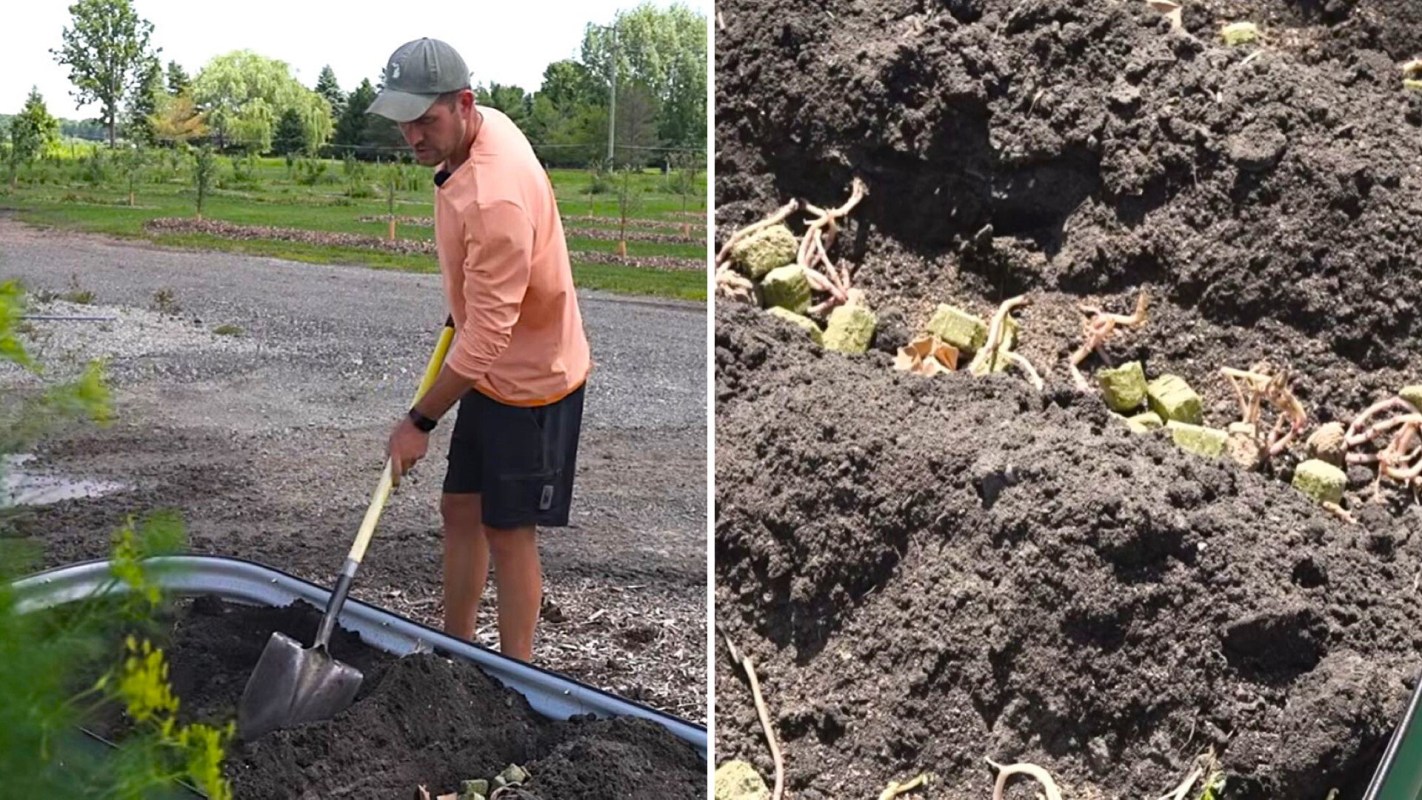
A video shows him laying out a potato planting in the heat of summer, intended for a fall harvest. For backyard growers, it offers a straightforward way to stretch the season and get more from the same garden space.
What's happening?
Marion, a popular heirloom-seed gardener, explained how he starts a second round of potatoes after the conventional spring window has passed.
His walkthrough focuses on the practical steps for a late planting, including managing water in hot weather, hilling soil as the plants grow, preparing seed potatoes, and getting planting depth right.
Potatoes can still fit into the garden after the early-season rush. Unused space may still become a fall crop if young plants are kept from drying out during summer.
TCD Picks » Quince Spotlight
💡These best-sellers from Quince deliver affordable, sustainable luxury for all




Commenters agreed that the timing could pay off.
"I planted a 16 ft row on the fourth of July last year, covered with dirt and mulching with grass clippings after they came up," one viewer shared. "I harvested forty five pounds in October, zone five."
Other commenters touted the benefits of alfalfa, which Marion also championed.
"I use alafalfa pellets in my strawberry bed in the fall make a big difference in spring production," one wrote. Another said it created beautiful soil with tons of earthworms.
Why does it matter?
For households facing stubbornly high grocery prices, growing a second crop in a backyard garden can translate into meaningful savings on produce. Potatoes are especially appealing because they are filling, versatile, and productive given the space they require.
There are quality benefits as well. Homegrown produce often tastes better than store-bought options because it can be harvested at peak freshness instead of being shipped and stored. That can mean better meals and more value from every bed, container, or patch of soil.
Gardening also offers benefits beyond the harvest itself. Time spent outdoors digging, watering, and tending plants can support physical activity and mental well-being while giving people more control over how their food is grown.
Marion's tutorial suggests that missing the usual spring planting date does not necessarily mean the chance to grow potatoes is gone for the year.
What can I do?
Healthy seed potatoes are the starting point for anyone considering a fall crop, and Marion notes they can be pre-sprouted before planting. He also emphasizes planting deeply enough for tuber development and continuing to hill soil around the stems as the plants grow.
Summer heat is the biggest challenge, so regular moisture matters. Gardeners should monitor soil conditions closely during hot spells, keep young plants from drying out, and consider mulch to help retain moisture and moderate soil temperature.
"Potatoes are, in my opinion, the best crop," a commenter wrote. "My 8 year old has been growing ours for 4 years independently. Some years are better than others, but he always gets some potatoes."

Get TCD's free newsletters for easy tips, smart advice, and a chance to earn $5,000 toward home upgrades. To see more stories like this one, change your Google preferences here.






