


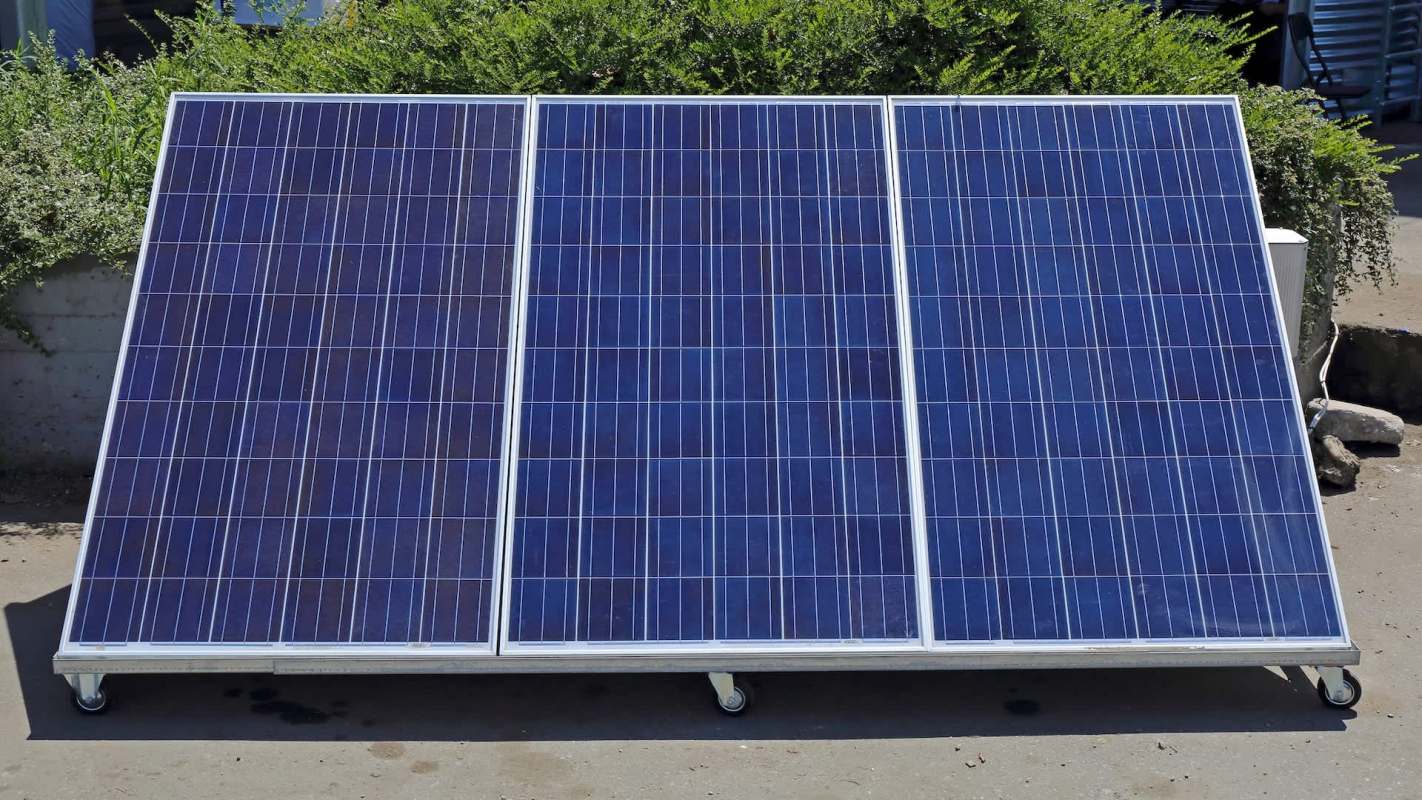
As utility bills rise, renters are looking at solar too — but usually not in the same way homeowners do. Instead of rooftop systems, many are weighing portable equipment that can lower electricity use without being permanently attached to the property.
That issue came up when a tenant asked for advice on Reddit about whether a move-friendly setup could support an air conditioner and a home office while still being easy to bring to a new place later.
Here's what to know
In a post on Reddit, the renter said higher power costs were pushing them to explore solar, but that a permanent grid-connected installation was not an option because they do not own their house.
They specifically mentioned the EcoFlow DELTA Pro/Plus and asked, "Do you guys have any recommendations for a setup that would work for renters?"
Rather than trying to supply the whole home, the poster said they mainly wanted to cover a smaller set of needs: an AC unit, a desktop PC, a laptop, and a display.
Commenters suggested portable solar packages built around panels and an inverter, with placement options such as a balcony or a ground setup that would not require modifying the rental and could be taken along after a move.
TCD Picks » Quince Spotlight
💡These best-sellers from Quince deliver affordable, sustainable luxury for all




More background
For many households, rooftop solar is one of the clearest ways to lower monthly energy costs, but renters are often shut out of that option.
Even when a landlord is open to the idea, a permanent installation can involve approvals, wiring work, and costs that may not make sense for someone planning to relocate.
Portable solar changes that equation. Instead of spending money on equipment tied to a property they do not own, renters can invest in panels and storage they can keep using after a move.
The tradeoff, however, is scale.
A portable setup is far less likely to replace all of a home's grid electricity, especially if an air conditioner is part of the load. Still, using solar to cover daytime office equipment — and some cooling — can help trim bills by reducing the amount of electricity pulled from the grid during expensive usage periods.
The savings are less about going fully off-grid and more about chipping away at recurring monthly costs while avoiding the sunk expense of improving someone else's house.
What can be done?
The first step is figuring out how much electricity the target devices actually use.
A desktop, laptop, and monitor may be manageable for a portable system, while an air conditioner can quickly push up the required battery size and panel output.
That is why a smaller, more economical setup may still be worthwhile if the goal is to reduce the bill rather than to provide whole-home backup. Covering the workstation first can deliver more predictable savings than overspending on a large battery meant to do everything.
Shoppers also need to consider where panels can safely go. A balcony, patio, yard, or other temporary placement may work, but lease terms, building rules, and sunlight exposure will all affect performance and practicality.
The appeal is portability, flexibility, and at least some relief from the monthly bill.

Get TCD's free newsletters for easy tips, smart advice, and a chance to earn $5,000 toward home upgrades. To see more stories like this one, change your Google preferences here.






