


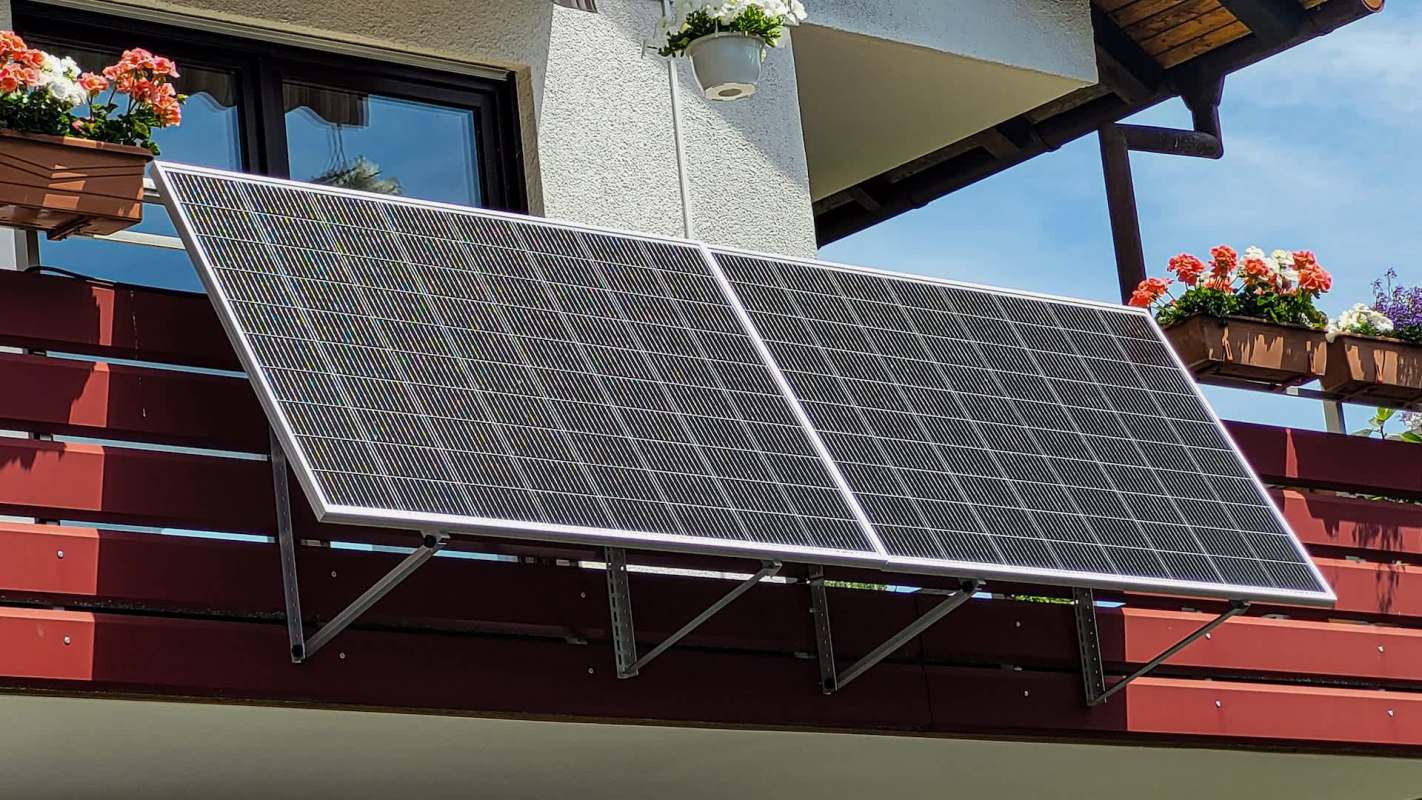
Plug-in solar panels are winning fans as a low-cost way to trim power bills without installing a full rooftop array. But in the United States, this simple energy-saving setup is still not fully legal in many states.
That means that technology that could save households roughly $13 to $35 a month is spreading much more slowly in the nation than it has abroad.
According to ZDNET, plug-in solar, also known as balcony solar or backyard solar, uses small portable panels paired with an inverter and battery that connect to a standard 120-volt outlet. Rather than replacing utility service, these systems help offset a home's everyday electricity use and typically produce about 200 watts to 1,800 watts.
After Utah became the first state to legalize the high-tech panels, a growing number of states began considering similar legislation.
Virginia has already signed a law that takes effect July 1, 2026, while Colorado, Maine, California, New York, Vermont, Hawai'i, and Maryland are among the states advancing similar measures.
The movement has been inspired in part by Germany, where balcony solar has become mainstream thanks to supportive policy, high electricity rates, and apartment-friendly housing, ZDNET noted.
TCD Picks » Quince Spotlight
💡These best-sellers from Quince deliver affordable, sustainable luxury for all




Plug-in solar can reduce power bills without the cost of installers, permits, inspections, or roof work. A setup using two 410-watt panels can produce roughly 90 to 150 kilowatt-hours each month, translating to about $13 to $35 in savings, depending on local electricity rates.
These systems could also make solar more accessible for people who have long been left out of the traditional market, especially renters and apartment dwellers. Instead of needing a suitable roof and a large upfront investment, users can place panels on a balcony, patio, or in a backyard and take them when they move.
"Historically, solar adoption has been tied to homeownership, but that's not a reflection of today's housing realities," Justin Nielsen, solar energy expert from Wolf River Electric, told ZDNET. "If we're serious about transitioning to renewable energy, we need scalable solutions that work for everyone, not just those with rooftops."
The biggest obstacle right now is regulation. Utilities and electrical officials have raised concerns about backfeeding during outages, overloaded circuits, uncertified equipment, and fire risks. Even though most of these systems typically have safety features included, U.S. rules were built around larger, permanent solar setups rather than small consumer devices.
Utah's law is emerging as a model for other states because it keeps the rules narrow: small systems only, certified equipment, and anti-islanding protections. If larger states, such as California, move forward, availability could expand quickly, especially as families look for ways to cope with rising electricity prices.
While it may take time to see how many states adopt similar rules, you don't have to wait to see the benefits of home solar. EnergySage's solar marketplace makes it easy for you to find the best solar panel option for your home and compare quotes from local installers.
Those who consult with EnergySage's experts can save up to $10,000 on solar purchases and installations.
If you're not ready to spend upfront, Palmetto offers $0-down solar leases that can curb your utility rate by up to 20%.

Get TCD's free newsletters for easy tips, smart advice, and a chance to earn $5,000 toward home upgrades. To see more stories like this one, change your Google preferences here.






