


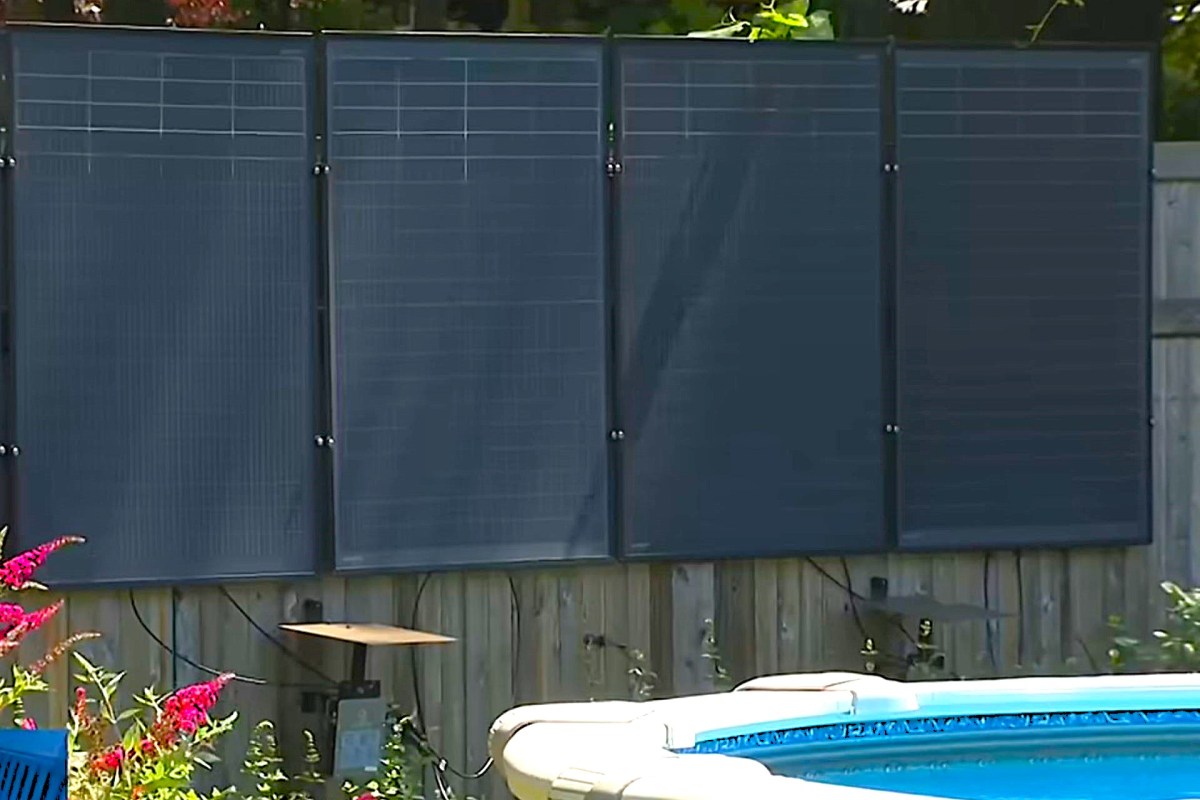
A steep summer electricity bill led one Massachusetts resident to try a lower-cost solar option, and he said the system is reducing his payments.
Rather than signing up for a roughly $30,000 rooftop installation, CBS Boston detailed how he spent about $1,500 on a plug-in array in his backyard.
What's happening?
After receiving a $1,200 electric bill, Andre, a resident of Fitchburg, decided to pursue plug-in solar, according to the station.
"I want to get my bills down," he explained. "That's the main reason that I went this route."
To begin, Andre purchased a small system with two panels, an inverter, and mounting hardware. The equipment connects to a standard household outlet rather than requiring a full rooftop project.
A traditional rooftop system had been priced at about $30,000, so the plug-in option offered a much less expensive entry point.
TCD Picks » Quince Spotlight
💡These best-sellers from Quince deliver affordable, sustainable luxury for all




The technology is often called plug-in solar, or "balcony solar," because it can work without a roof and may be especially useful for renters, condo residents, or homeowners who cannot take on a major upfront investment.
Andre noted to CBS Boston that the setup works like another household appliance, except "instead of pulling power from the road, it's pushing it into the house and something else is using it."
Why does it matter?
The biggest appeal of balcony solar is its straightforward ability to deliver lower utility bills without taking on a massive loan.
Andre informed CBS Boston that his first array has reduced his electricity costs by about 10%, and he expects a second set of panels to cut costs by another 10%. Altogether, he estimates he will save around $1,000 per year.
Dr. Tanja Srebotnjak, executive director of the Center for Environmental Studies at Williams College, told the station that plug-in solar "really empowers people to both take more control of their electricity bill but also contribute to the common good."
The systems can help families spend less while also reducing pollution from fossil-fuel-powered electricity.
What's being done?
Plug-in solar appears to be gaining momentum in the United States.
The company Andre used, Craftstrom, said sales have risen 50%, per CBS Boston. Eight states, among them New England states Maine, New Hampshire, Vermont, and Connecticut, have authorized plug-in panels, and similar measures are under consideration in more than a dozen others.
Massachusetts could join them. The state's House and Senate have both passed legislation addressing how residents could use plug-in solar, and the station reported that a committee is working through the differences between the two bills.
"Solar is one of the fastest and cheapest ways we can lower energy bills, and plug-in solar is an exciting new development that will help make solar an option for more people," Gov. Maura Healey's Office of Energy and Environmental Affairs stated to CBS Boston.
Utilities have raised safety concerns, particularly about systems feeding electricity back to power lines during outages, the station said. Accordingly, many proposed laws generally require certified equipment and built-in safeguards.

Get TCD's free newsletters for easy tips, smart advice, and a chance to earn $5,000 toward home upgrades. To see more stories like this one, change your Google preferences here.







