


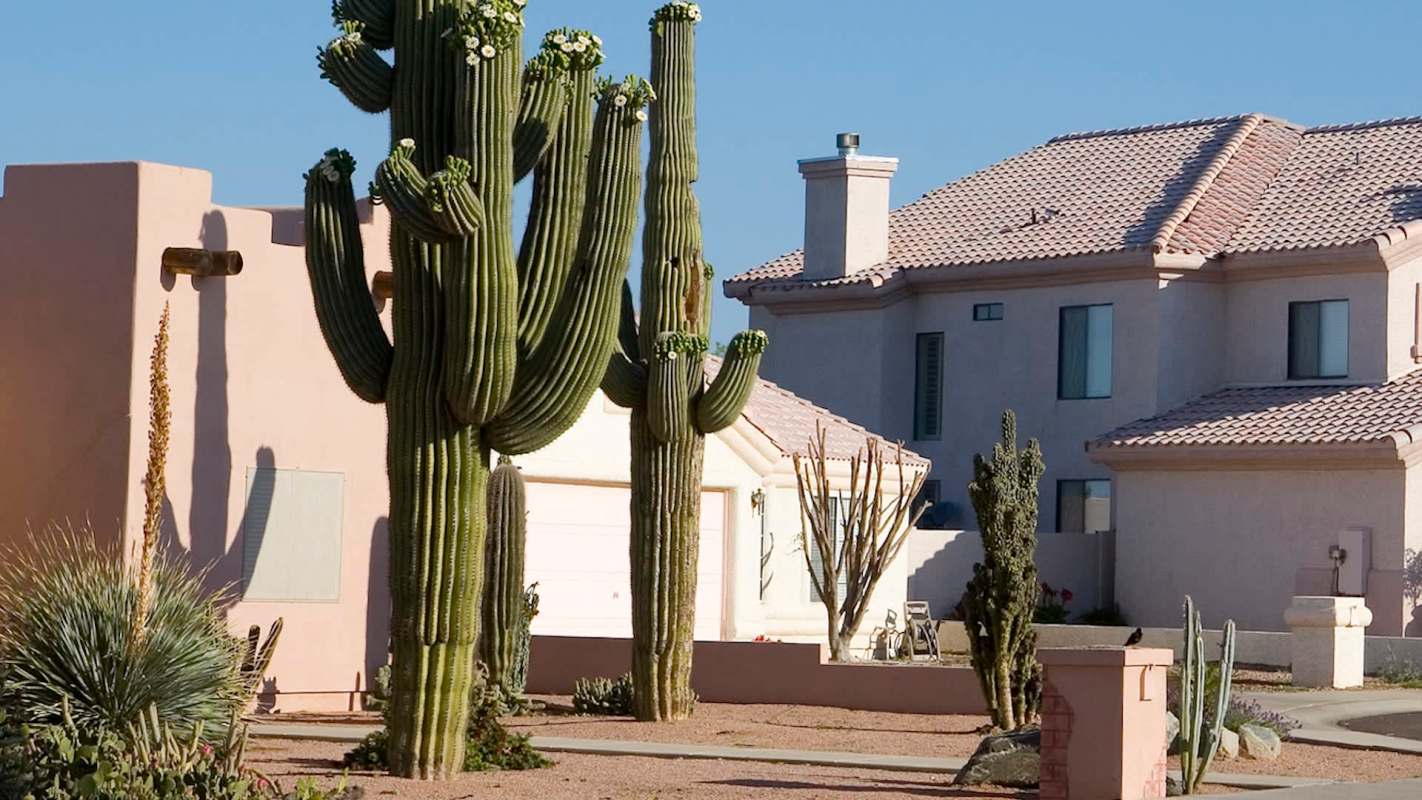
Near a Phoenix house, a long-standing saguaro toppled after its base gave way. The nearly 50-year-old cactus hit the ground with enough force to shake the home and narrowly avoided a parked car.
What happened?
Down In The Desert (@downinnadesert) shared footage of the collapse on Instagram.
The post says the cactus had been part of the property for close to five decades when Arizona's intense summer heat coincided with its collapse. The creator wrote, "A Phoenix homeowner captured the moment a massive saguaro came crashing down after standing outside the property for nearly 50 years."
The caption also emphasizes how large the plant had become over time, noting that it rose far above the house. "The cactus had grown to nearly twice the height of the home before splitting at the base during Arizona's brutal summer heat," the creator wrote.
Why does it matter?
Saguaros are more than striking parts of the desert landscape. They are slow-growing native plants that can take decades to reach full size, and they provide food, shelter, and nesting space for wildlife. When one falls, it is not easily replaced.
Extreme heat is not just uncomfortable — it can make daily life more dangerous. It puts pressure on people, power grids, roads, and even the living landscape around homes. That is especially troubling in communities already facing rising cooling bills and the urban heat island effect caused by pavement-heavy development.
TCD Picks » Quince Spotlight
💡These best-sellers from Quince deliver affordable, sustainable luxury for all




Whether it is a drought-weakened tree, a storm-damaged limb, or a towering cactus under stress, climate-fueled extremes can turn familiar neighborhood features into sudden hazards.
What can I do?
If you live in the Southwest and have large cacti or trees near your home, it may be worth watching for visible warning signs such as leaning, splitting, soft spots, or changes at the base. A local arborist, cactus specialist, or extension office may be able to help determine whether a plant needs support, treatment, or removal.
Communities can reduce heat risk by expanding shade, protecting native plants, adding cooler surfaces, and designing neighborhoods that do not trap as much heat.
Those kinds of measures will not prevent every collapse, but they can help people prepare for hotter conditions.
"Cuz it's too damn hot out here anymore," one viewer commented on the video of the collapsing cactus.
"This calls for a moment of silence," said another.

Get TCD's free newsletters for easy tips, smart advice, and a chance to earn $5,000 toward home upgrades. To see more stories like this one, change your Google preferences here.






