


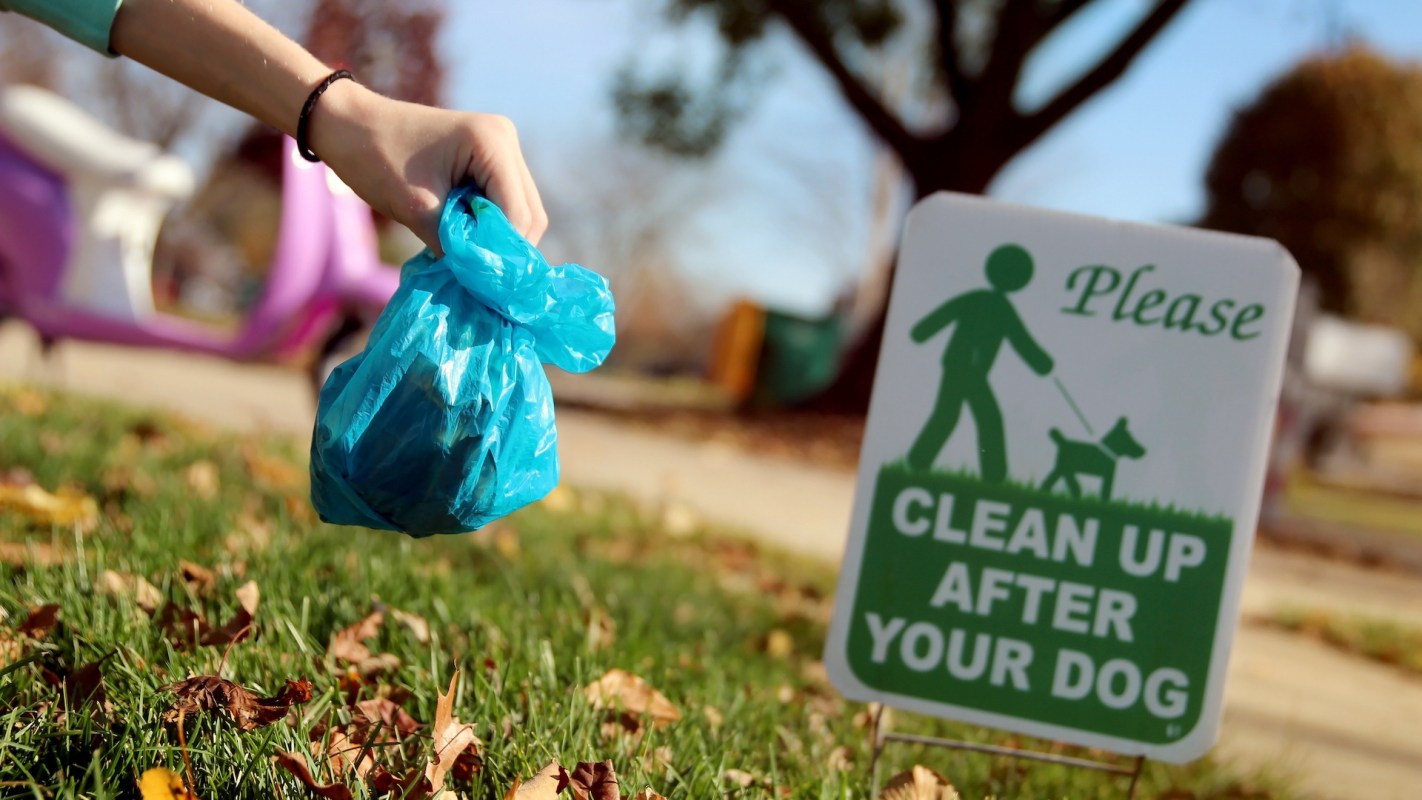
One apartment composter ran into a surprisingly common low-waste dilemma after learning that pet waste should stay out of home compost — even when it is picked up in a compostable bag.
For pet owners trying to cut household waste, some trash still belongs in the trash, and spending extra on the wrong kind of bag may not do much to help.
Here's what to know
The issue surfaced in a r/ZeroWaste forum from someone whose apartment compost program accepted food scraps but not pet waste. After being told dog poop was excluded because of pathogen risks, they asked, "Should I throw it in the regular trash with regular bags instead of compostable ones?"
Commenters overwhelmingly said yes.
"Yeah, it needs to go in with the regular waste to go to landfill. It's a bit pointless using compostable bags for it because they don't break down in a landfill (because of the lack of oxygen)," one wrote.
Many people assume anything organic can go into a compost bin. But pet waste is often treated differently from food scraps and yard clippings, especially in small home or apartment systems.
TCD Picks » Quince Spotlight
💡These best-sellers from Quince deliver affordable, sustainable luxury for all




More background
Since the waste heads for the regular trash stream, commenters argued that compostable poop bags may not provide the benefit buyers expect. In that case, repurposing bread bags or other plastic packaging could help people avoid buying a supply of dog-waste bags.
"I use the bags my bread comes in and stuff like that — single-layer mailers. It's not perfect, but like you said, there's no perfect approach here," one commenter wrote.
Users also brought up less common options, such as in-ground digesters, worm-based systems, and industrial composting programs that accept animal waste. But those alternatives depend on local access, available space, and the effort required to maintain them.
What can be done?
Apartment dwellers and homeowners can check the rules of the compost service they use. If pet waste is not accepted, sending it out with regular trash is the most straightforward option.
If the waste is going to a landfill, using saved bread bags, grocery bags, or other clean packaging already in the home can reduce new purchases.
People with yards and flexibility may want to look into dedicated pet-waste digesters or specialty systems, but those require research and maintenance. "If you have access to industrial composters, some of them take animal waste. You gotta check with them," one commenter noted.
The user who referenced the pointlessness of compostable poop bags said, "If you have pets, it's an unavoidable waste, so your energy is probably better spent on reducing waste in other areas instead," while another person added, "Yes, leave pet waste to the trash company."
Where can I learn more?
These articles dig into dog poop disposal, composting tips, and what happens to food scraps and yard waste after collection.
• American dogs produce 10.6 million tons of poop each year, pushing demand for low-waste pet products.
• Under strict HOA rules, one gardener learned to compost without drawing complaints from neighbors.
• A hometown chief compost officer showed where food scraps and yard waste actually go.

Get TCD's free newsletters for easy tips, smart advice, and a chance to earn $5,000 toward home upgrades. To see more stories like this one, change your Google preferences here.






