


New York City is taking aim at one of the most stubborn nuisances of urban life.
As 6sqft reported, newly approved legislation on dog poop found on sidewalks and in parks combines tougher cleanup measures with a less conventional idea for disposal.
Here's what to know
The City Council announced in a press release the passage of several bills aimed at dog waste. That is as complaints about messes in parks and on sidewalks increased, especially after major winter snowstorms.
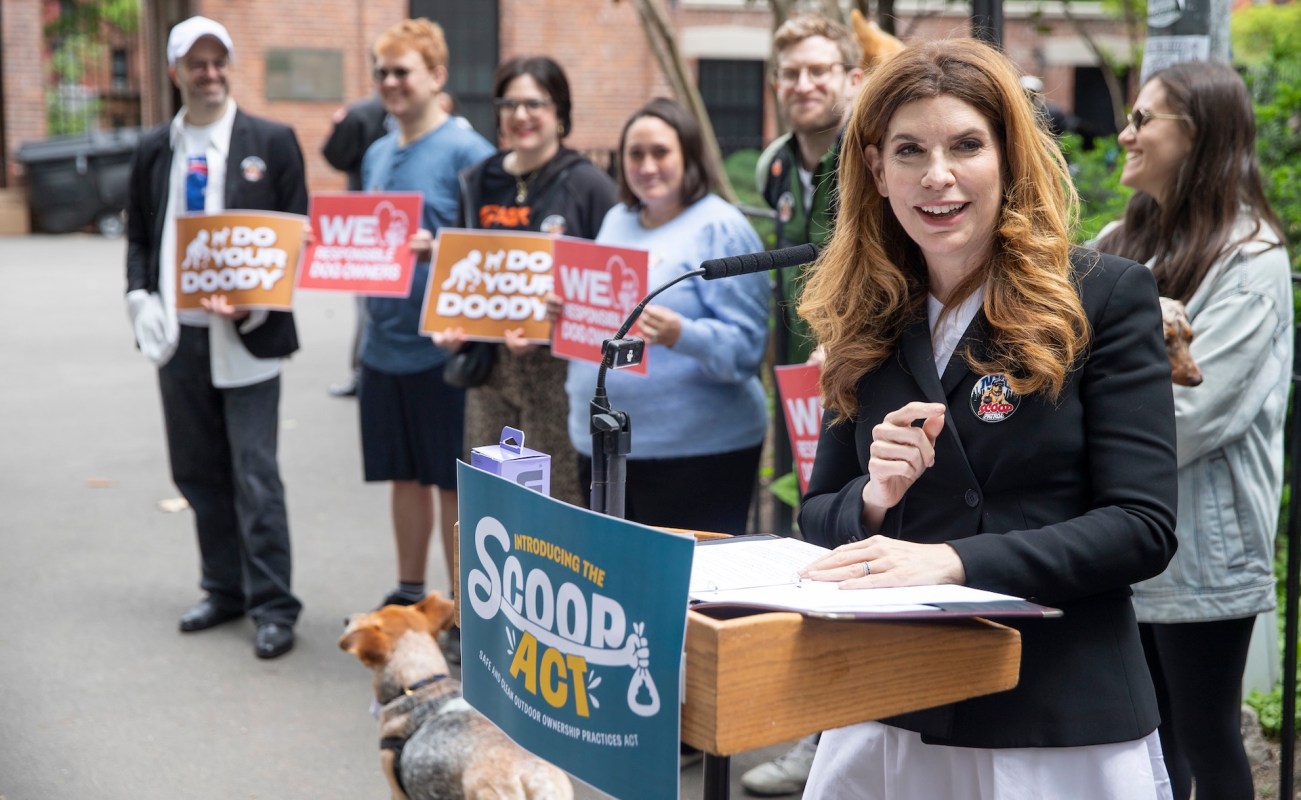
This year, the council said 311 had logged nearly 3,000 dog-waste complaints, about 10% more than during the same stretch in 2025. Those numbers helped fuel the Safe and Clean Outdoor Ownership Practices, or aptly acronymed SCOOP, Act.
Among the measures, the outlet said a proposal from City Council Speaker Julie Menin would provide dog-waste bags at 1,200 public garbage cans, while another would add signs in parks warning visitors that failing to clean up after a pet can lead to a $250 fine.
Council Member Shahana Hanif, whose district includes Park Slope and Carroll Gardens, also introduced legislation for a multilingual public education campaign about the health dangers associated with dog waste, including E. coli and roundworm.
TCD Picks » Quince Spotlight
💡These best-sellers from Quince deliver affordable, sustainable luxury for all




"New Yorkers shouldn't have to dodge dog waste on our sidewalks or worry about the health and environmental risks it poses," Hanif said in the release.
More background
This is not only a quality-of-life complaint. Pet waste can enter storm drains and waterways, adding environmental and public health risks to the everyday hassle of avoiding it while walking.
Another bill focuses on what happens after waste is picked up rather than only on enforcement. Because dog droppings are usually discarded as trash, a composting effort could keep at least some of that material out of landfills.
"As the Chair of the Animal Welfare Caucus and an avid composter, I cannot wait to participate in this when I take my dog, Homer, to the dog run," Council Member Harvey Epstein said in the release.
The New York Times reported that the council approved the bills unanimously except for the composting measure, which drew four abstentions. Councilwoman Gale Brewer raised one concern that some park workers could end up "interfacing with the dog feces."
What's being done?
If processed properly through the composting program, the droppings could become a soil-friendly material for nonedible flower beds, 6sqft noted.
The rest of the package is more immediate. Bag dispensers on public garbage cans could give pet owners an easier way to clean up after their dogs, while warning signs in parks would reinforce that the requirement is enforceable.
Another part of the plan centers on awareness, with an education campaign explaining how pet waste can contribute to contamination and disease.
The city would also monitor 311 complaints to see whether the effort is making a difference.
"This is about keeping our sidewalks clean, our waterways safe, and our public spaces accessible to everyone," Hanif concluded in the release.

Get TCD's free newsletters for easy tips, smart advice, and a chance to earn $5,000 toward home upgrades. To see more stories like this one, change your Google preferences here.







