


Buying a historic fixer-upper usually means bracing for hidden costs, structural surprises, and a long list of renovations.
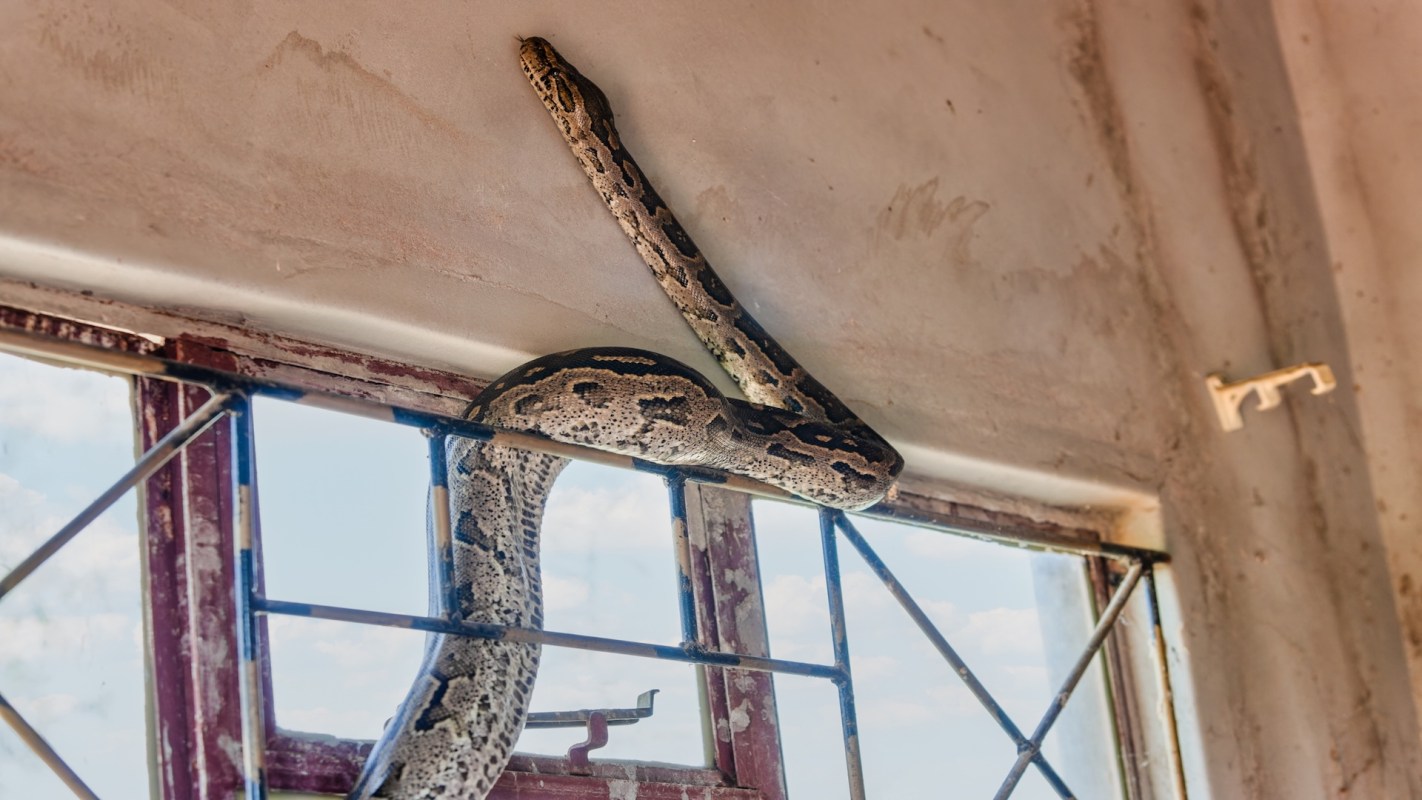
For one Pennsylvania couple, it also meant discovering that their 1830s dream home had become an ideal habitat for black snakes, water snakes, and venomous copperheads.
Here's what to know
Only after buying the stone house at auction did Tyler and Lauren Bouldin realize what years of abandonment had created: an overgrown property where mice, rabbits, and frogs thrived, drawing snakes in after them.
The family encountered multiple snake species on the property, including black snakes, water snakes, and copperheads, VnExpress International reported.
With Lauren Bouldin pregnant and looking after a toddler, the couple stayed in a caretaker's apartment and checked the area carefully each time before heading outside.
Rather than kill the snakes, Tyler Bouldin used a 6-foot grabber to move them elsewhere. After more than five years of restoring the grounds, those near-constant sightings reportedly fell to only occasional encounters.
TCD Picks » Quince Spotlight
💡These best-sellers from Quince deliver affordable, sustainable luxury for all




More background
This was not simply a case of a few stray reptiles in a basement. The property had been neglected long enough for brush, prey animals, and hiding places to create an attractive ecosystem for snakes, including venomous ones.
In many wildlife encounters, animals are not necessarily "invading" so much as responding to habitats people have created or disrupted. Empty buildings, overgrown lots, cluttered yards, and changing land use can all increase the likelihood of conflict between humans and wild animals.
For the Bouldins, the effects were immediate and personal. What began as a historic-home restoration project quickly became a child-safety concern, a pregnancy concern, and a daily test of patience.
What can be done?
A practical approach for homeowners dealing with wildlife on neglected land is to reduce prey attractants, clear overgrowth, and remove shelter that allows snakes to stay hidden near people.
That does not mean trying to handle venomous animals without training. For most people, the safest option is to call local animal control, a licensed wildlife professional, or another qualified expert instead of attempting to capture a snake alone.
Keeping grass short, sealing gaps around outbuildings, removing debris piles, and limiting rodent activity can make a property less appealing to snakes over time.
Once the grounds were brought under control, the property became less attractive as a snake habitat.

Get TCD's free newsletters for easy tips, smart advice, and a chance to earn $5,000 toward home upgrades. To see more stories like this one, change your Google preferences here.






